As we move further into 2025, food trends are evolving rapidly, shaped by health awareness, social media influence, and changing dietary preferences. Consumers today are not only eating for taste but also for nutrition, sustainability, and overall well-being.
From plant-based diets to high-protein meals and viral food content, this year’s trends highlight a clear shift toward smarter, healthier food choices. Let’s explore the key food trends that are expected to dominate in 2025.
1. The Shift Toward Plant-Based and Sustainable Eating
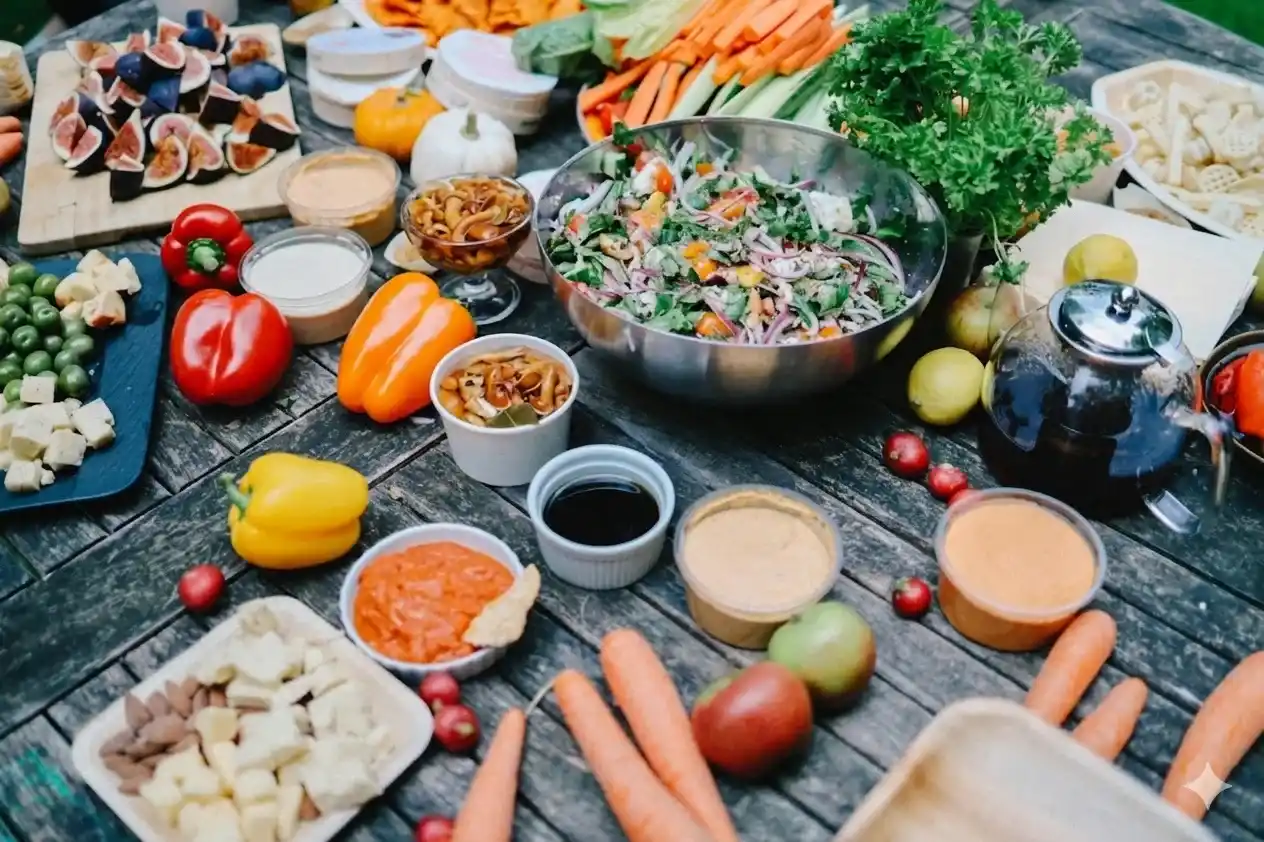
One of the biggest food trends in 2025 is the growing preference for plant-based diets. As consumers become more aware of the environmental and health impacts of meat consumption, many are reducing their intake of animal protein.
Studies have shown that increasing the ratio of plant protein to animal protein may help lower the risk of cardiovascular disease and improve overall health. Additionally, reducing meat consumption—even by just one day per week, such as adopting a “Meatless Monday” habit—can significantly benefit both personal health and the environment.
This shift is also driven by concerns about industrial food production, which has been linked to pollution and public health risks. As a result, more people are embracing whole, plant-based foods as part of a sustainable lifestyle.
2. Popular Diets Focus on Health and Flexibility
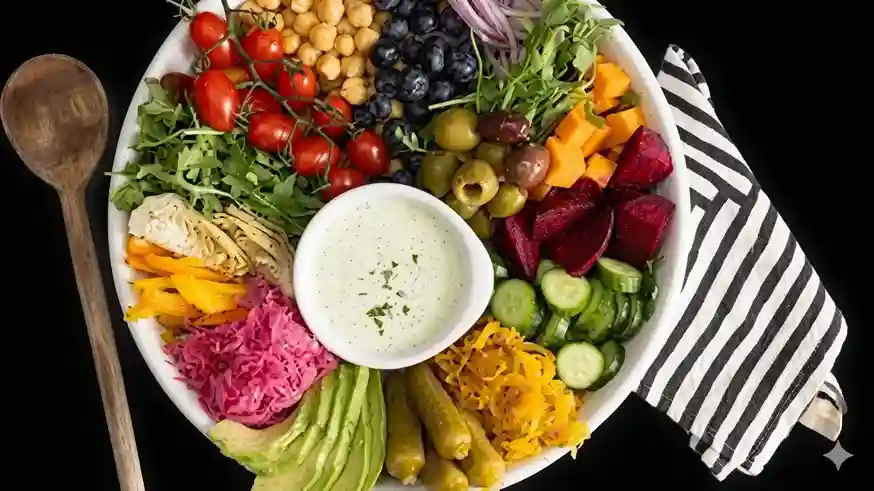
In 2025, structured eating patterns continue to gain popularity, especially among younger generations. Many consumers are actively following diets that promote long-term health and flexibility.
Some of the most popular diets include:
- Mediterranean diet – Known for its heart-healthy benefits
- DASH diet – Designed to reduce high blood pressure
- Flexitarian diet – A balanced approach combining plant-based foods with occasional meat
These diets are highly rated because they focus on nutrient-dense foods, disease prevention, and sustainability, making them ideal for modern lifestyles.
3. Protein Becomes a Top Priority
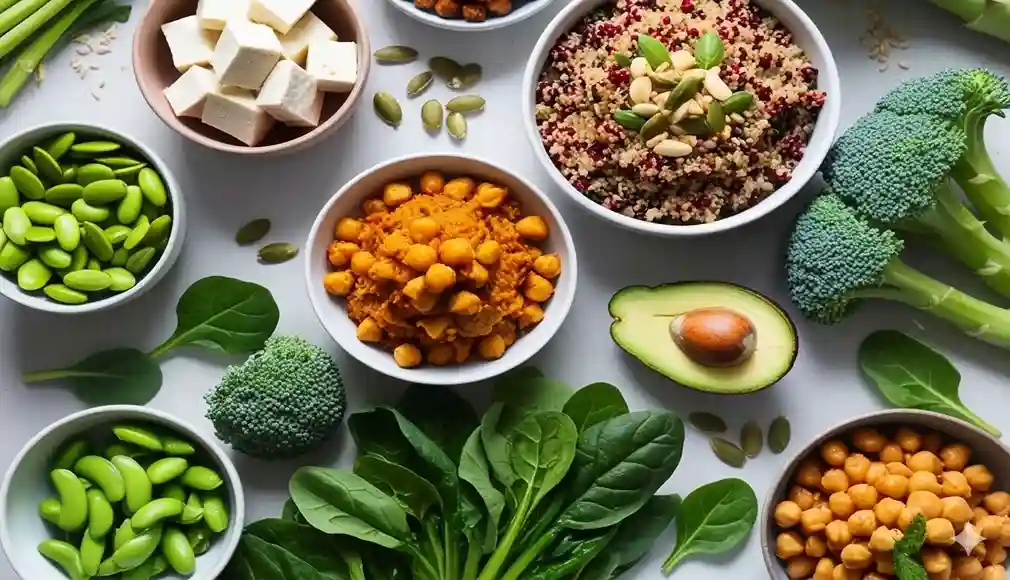
Protein continues to be a major focus in 2025, with more consumers actively trying to increase their intake. In fact, a growing number of people are choosing high-protein diets to support fitness, weight management, and overall health.
This trend, often referred to as the “proteinization” of foods, is visible everywhere—from grocery store products to online recipes. Popular high-protein foods include:
- Greek yogurt
- Cottage cheese
- Protein-enriched snacks and beverages
Social media has also played a huge role in making creative high-protein recipes go viral, such as protein coffee, yogurt-based desserts, and healthy snack alternatives.
4. Social Media Drives Viral Food Trends
Platforms like Instagram, TikTok, and Facebook continue to shape how people discover and choose food. In 2025, viral food trends are influencing consumer behavior more than ever.
Food content online introduces people to:
- New recipes and ingredients
- Healthy eating tips
- Innovative food combinations
Younger generations, especially Gen Z and Millennials, are more likely to trust and follow food trends they see online. However, healthcare professionals and nutrition experts still remain the most trusted sources for accurate dietary advice.
5. Technology and AI Transform Eating Habits
Another exciting trend in 2025 is the increasing use of artificial intelligence (AI) and digital tools in nutrition.
Many consumers are now interested in using technology to:
- Plan meals
- Track nutrition
- Improve overall diet and fitness
AI-powered apps and online platforms can provide personalized recommendations, making it easier for individuals to make healthier and smarter food choices.
6. Functional Foods for Health and Well-Being
Consumers are increasingly choosing foods that offer additional health benefits, also known as functional foods. These foods are believed to improve:
- Energy levels
- Mood
- Digestive health
This trend aligns with the growing demand for foods that not only satisfy hunger but also enhance overall well-being.
7. Changing Consumer Behavior and Diet Trends
Recent surveys show that more people are following specific diets than ever before. Younger generations are leading this shift, with a higher percentage actively adopting structured eating patterns.
Health remains the main motivation behind these choices, with many consumers aiming to:
- Feel better
- Increase energy levels
- Prevent chronic diseases
Additionally, a significant number of people plan to start new diets in 2025, including plant-based and vegan lifestyles.
Final Thoughts: The Future of Food in 2025
Food trends in 2025 clearly reflect a shift toward health, sustainability, and innovation. Consumers are becoming more mindful of what they eat, how it affects their bodies, and its impact on the planet.
Key takeaways include:
- Increased focus on plant-based eating
- Rising demand for high-protein foods
- Strong influence of social media on food choices
- Growing use of AI and technology in nutrition
- Preference for functional, health-boosting foods
As these trends continue to evolve, one thing is certain: the future of food is smarter, healthier, and more personalized than ever before.
Stay tuned for more insights on nutrition, healthy eating, and the latest food trends!
Leave a Reply