Proper nutrition is one of the most important factors in athletic performance—especially before a competition. What athletes eat and drink in the hours and days leading up to an event can significantly impact energy levels, endurance, recovery, and overall performance.
In this SEO-optimized guide, we’ll break down what athletes should eat before competition, how to time meals correctly, and which foods to avoid to ensure peak performance on game day.
Table of Contents
ToggleWhy Nutrition Matters for Athletic Performance
Athletes place higher demands on their bodies than the average person. Because of this, nutrition plays a critical role in:
1. Providing Energy
Athletes burn calories at a much faster rate. Without enough fuel—mainly carbohydrates, fats, and protein—performance drops and fatigue increases. Inadequate energy intake may also lead to relative energy deficiency in sports (REDs).
2. Supporting Muscle Recovery
Exercise and competition create micro-tears in muscles. Protein helps repair and rebuild these tissues, making athletes stronger over time.
3. Maintaining Hydration
Fluids regulate body temperature and prevent dehydration, which is especially important during intense or outdoor competitions.
4. Supporting Immune Health and Recovery
A well-balanced diet strengthens the immune system and helps reduce the risk of illness and fatigue.
What Should Athletes Eat Before a Competition?
Pre-competition nutrition is not just about the last meal—it starts days before the event. A strategic approach ensures optimal energy stores and performance readiness.
Weeks Before Competition: Build a Strong Foundation
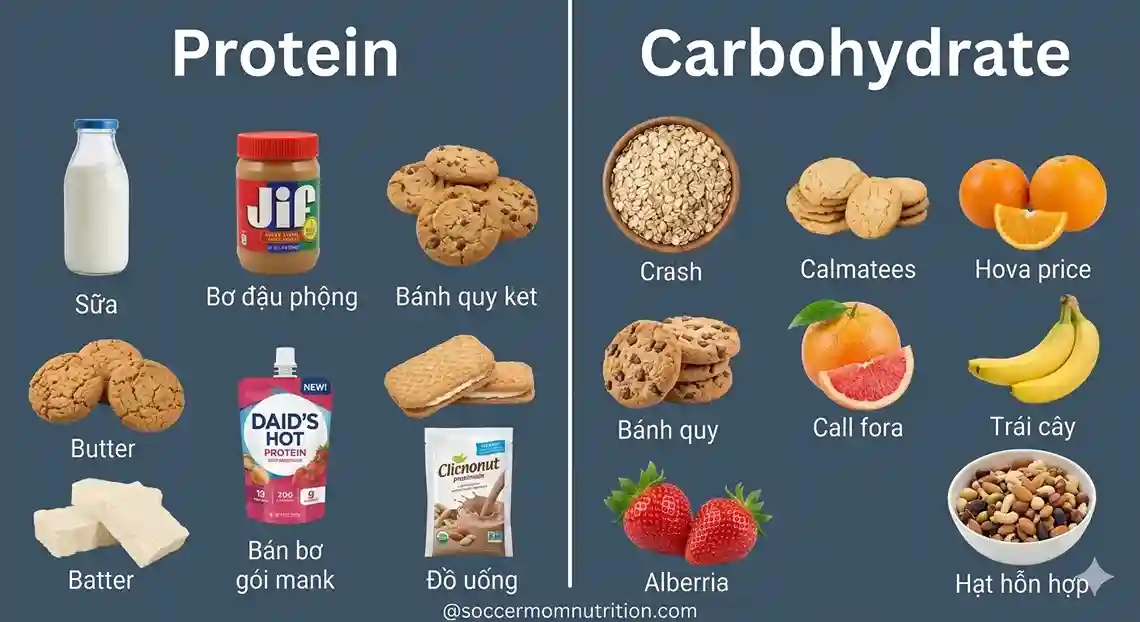
During training, athletes should follow a balanced diet rich in carbohydrates, protein, and healthy fats.
Macronutrient Guidelines (per kg of body weight)
- Protein: ~1.6–2.2 g/kg (depending on sport type)
- Carbohydrates:
- 3–5 g/kg (light activity)
- 5–8 g/kg (moderate activity/team sports)
- 8–10 g/kg (endurance sports)
- Fats: Fill remaining calorie needs, prioritizing healthy unsaturated fats
Plate Balance Guide
- High-intensity training: 50% carbs, 25% protein, 25% fruits & vegetables
- Moderate training: Balanced portions across all food groups
- Light training: More vegetables and complex carbohydrates
Best Food Choices:
- Whole grains (oats, brown rice, whole wheat bread)
- Lean proteins (chicken, fish, eggs, legumes)
- Fruits and vegetables
- Low-fat dairy products
Hydration is equally important—drink water consistently throughout the day.
48–24 Hours Before Competition: Optimize Energy Stores
At this stage, athletes should focus on easily digestible, carbohydrate-rich meals to maximize glycogen stores.
Recommended Foods:
- Pasta with lean protein (chicken or turkey)
- Rice bowls with vegetables
- Sandwiches with lean meats
- Fruit-based snacks
Carb-Loading (for endurance athletes)
Endurance athletes like marathon runners or long-distance cyclists may benefit from carbohydrate loading, which increases glycogen storage for sustained energy.
Foods include:
- Pasta
- Potatoes
- Rice
- Bananas
- Whole grain bread
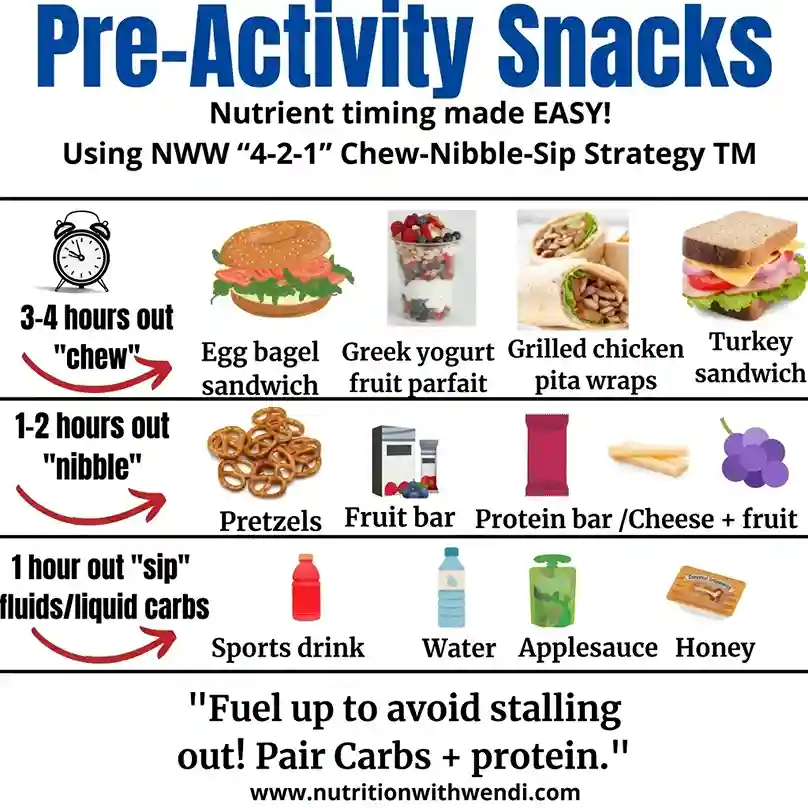
3–4 Hours Before Competition: Main Pre-Event Meal
This meal should be carb-focused with moderate protein and low fiber for easy digestion.
Ideal Pre-Competition Meal:
- Carbohydrates: rice, bread, potatoes, fruit
- Protein: chicken, fish, eggs, tofu
- Low fiber to avoid digestive discomfort
Example Meal:
Grilled chicken with white rice and a small serving of vegetables or a turkey sandwich with fruit.
If digestion is an issue, a smoothie with balanced carbs and protein is a great alternative.
1 Hour to 30 Minutes Before Competition: Quick Energy Boost
A light snack helps maintain energy levels without feeling heavy.
Best Snack Options:
- Banana
- Applesauce
- Pretzels
- Fruit gummies
- Rice cakes
- Dried fruit
These provide simple carbohydrates for fast energy release.
During Competition: Stay Fueled and Hydrated
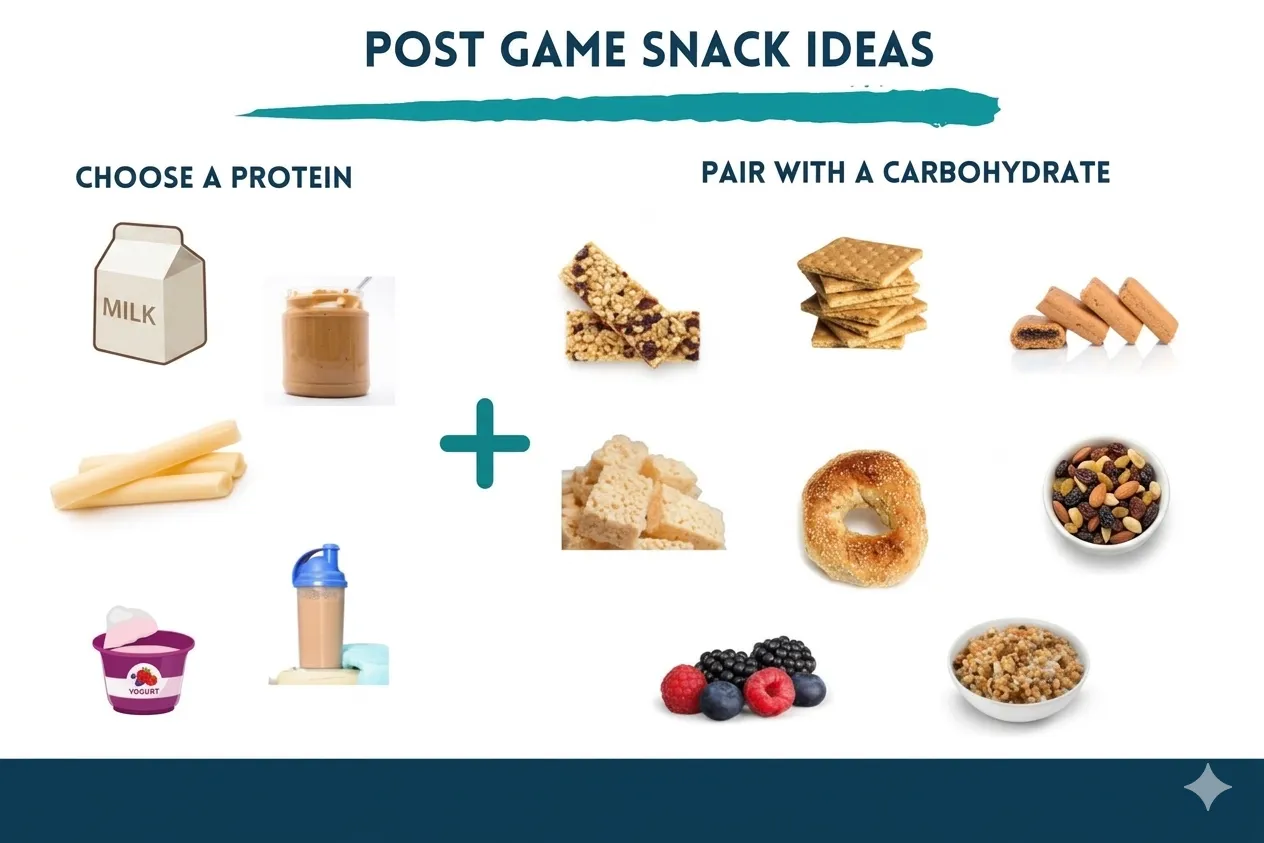
During longer events, maintaining hydration and energy is essential.
Recommended:
- Water
- Electrolyte drinks
- Diluted fruit juices
- Sports gels or energy chews (if allowed)
Quick, easy-to-digest snacks like applesauce or pretzels can also help during breaks.
Foods to Avoid Before Competition
Certain foods can negatively impact performance and should be limited before events:
1. High-Fat Foods
- Fried foods, fatty meats, full-fat dairy
- Slow digestion leads to sluggish performance
2. High-Fiber Foods
- Broccoli, cauliflower, whole grains (in excess)
- Can cause bloating or stomach discomfort
3. High-Lactose Foods
- Milk, yogurt, cheese (if sensitive)
- May cause digestive issues in some athletes
4. Caffeine (if not used regularly)
- Can cause jitters or stomach discomfort if introduced suddenly
Nutrition Tips for Different Athlete Levels
Youth Athletes
Require frequent meals to support growth and energy demands.
Collegiate Athletes
Need balanced nutrition for both performance and development, often with professional guidance.
Professional Athletes
Focus on optimized nutrition plans, injury prevention, and micronutrient intake (iron, calcium, magnesium, zinc, vitamin D).
Final Thoughts
Pre-competition nutrition is a strategic process that starts days before the event. The right balance of carbohydrates, protein, hydration, and timing can significantly enhance performance.
To perform at your best:
- Eat balanced meals during training
- Carb-load when needed
- Stick to familiar foods before competition
- Prioritize hydration at all times
With the right nutrition plan, athletes can maximize energy, improve endurance, and compete at their highest level when it matters most.
Leave a Reply