In today’s digital world, nutrition advice is everywhere-but not all of it is accurate. From social media trends to outdated diet rules, misinformation can make it difficult to make healthy food choices.
In this blog, we’ll break down 10 common nutrition myths and reveal the truth behind them so you can build a healthier, more balanced diet with confidence.
1. Eating Healthy Is Too Expensive
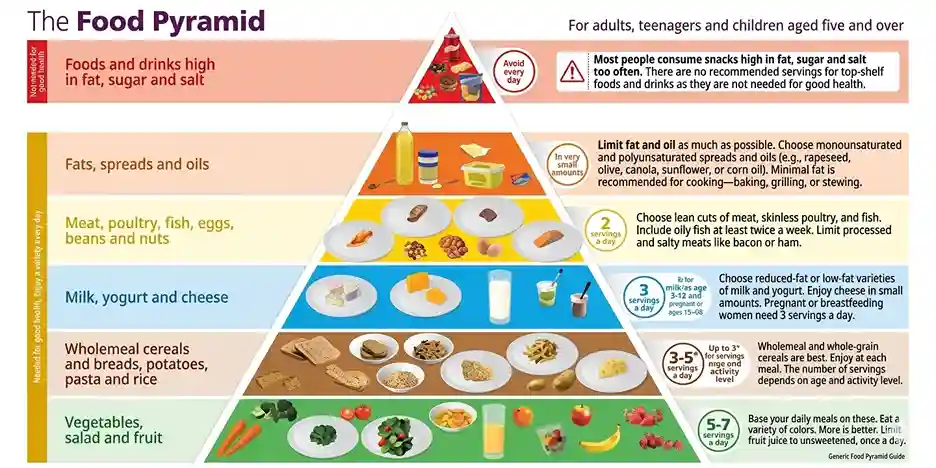
Many people believe that healthy eating costs more, but that’s not always true. With a little planning, you can eat nutritious meals on a budget.
Smart Tips to Save Money
- Plan meals around discounts and promotions
- Buy seasonal fruits and vegetables
- Stick to a shopping list
- Choose affordable staples like brown rice, beans, and lentils
- Use frozen or canned produce (without added sugar or salt)
Healthy eating is more about planning than spending.
2. Everyone Should Follow a Gluten-Free Diet
Gluten-free diets are essential for people with celiac disease or gluten intolerance, but not for everyone.
Whole grains that contain gluten actually provide:
- Fiber
- B vitamins
- Important nutrients for digestion
Be cautious—many gluten-free products contain added sugar or refined starches to improve taste.
3. Natural Sugars Are Always Healthier
Honey, maple syrup, and coconut sugar may sound healthier than white sugar—but they’re still added sugars.
While they may contain small amounts of nutrients, the difference is minimal.
Key Takeaway
All added sugars should be consumed in moderation, regardless of the source.
4. Eating Fat Makes You Gain Weight
Fat has been misunderstood for decades. In reality, it plays a vital role in:
- Protecting organs
- Supporting cell function
- Helping absorb vitamins
Choose the Right Fats
- Healthy fats: olive oil, nuts, avocados
- Limit: saturated and trans fats (processed foods, fatty meats)
Healthy fats can actually support weight management and overall health.
5. Carbs Are Bad for Weight Loss
Low-carb diets often eliminate foods like fruits and whole grains, which are rich in nutrients.
The real issue is not carbs-it’s refined and processed carbohydrates, such as:
- Sugary snacks
- White bread
- Processed foods
Cutting out an entire food group can lead to nutrient deficiencies and is rarely sustainable.
6. Detox Diets Cleanse Your Body
Detox teas, juices, and cleanses are popular—but unnecessary.
Your body already has a natural detox system:
- Liver
- Kidneys
- Digestive system
Better Alternative
- Eat whole foods
- Drink enough water
- Reduce processed foods
No special product is needed for detoxification.
7. You Shouldn’t Eat After 7 p.m.
Eating late at night isn’t automatically bad. Weight gain is more about:
- Total calorie intake
- Eating habits
Evening snacking often happens due to:
- Boredom
- Stress
- Habit
Focus on why you’re eating, not just the time.
8. Certain Foods Burn Fat
Foods like grapefruit, cayenne pepper, or vinegar are often marketed as “fat-burning.”
The truth?
No single food can significantly boost metabolism or cause fat loss.
Weight loss happens through:
- Calorie balance
- Consistent healthy habits
Avoid restrictive diets focused on one “magic” food.
9. Cutting Salt Completely Lowers Sodium Intake
Removing the salt shaker won’t solve the problem.
Most sodium in modern diets comes from:
- Processed foods
- Restaurant meals
What You Should Do Instead
- Cook more meals at home
- Limit packaged and fast foods
- Read nutrition labels
This approach is far more effective for reducing sodium intake.
10. Low-Fat or Fat-Free Foods Are Always Healthier
Many low-fat or fat-free products compensate for flavor by adding:
- Sugar
- Sodium
Also, fat helps you feel full longer. Removing it can lead to:
- Increased hunger
- More snacking
Pro Tip
Always check the nutrition label and compare:
- Sugar content
- Sodium levels
- Overall ingredients
Sometimes, the regular version is the healthier choice.
Final Thoughts
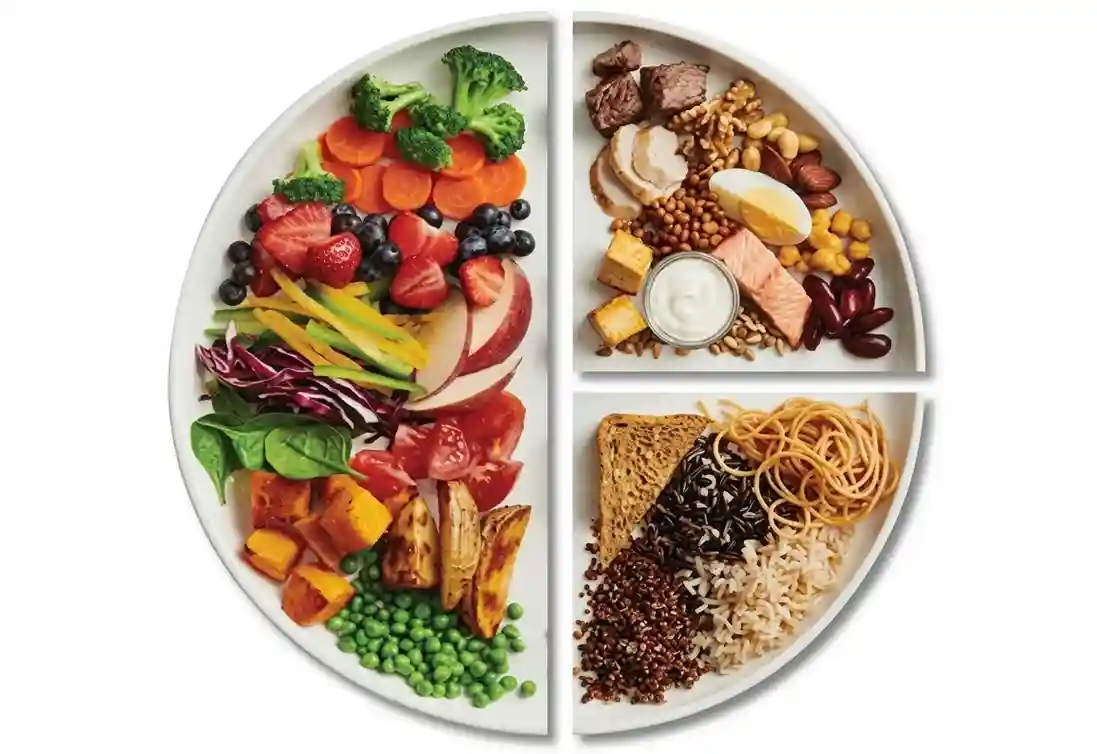
Nutrition doesn’t have to be confusing. By understanding and avoiding these common myths, you can make smarter, more informed decisions about your diet.
Remember:
- Balance is more important than restriction
- Whole foods are your best choice
- Trends are not always backed by science
Start Making Better Food Choices Today
Don’t let misinformation control your diet. Focus on:
- Eating a variety of whole foods
- Practicing moderation
- Building sustainable habits
By cutting through the noise, you’ll be able to create a healthier lifestyle that truly works for you—long term.
Leave a Reply