Have you ever noticed how certain foods look more appealing simply because of their color? From bright red strawberries to golden crispy fries, color plays a powerful role in how we perceive taste, appetite, and even how much we eat.
In this SEO-optimized blog, we explore how color influences eating behavior, backed by science and real-world examples.
The Link Between Colour and Taste Perception
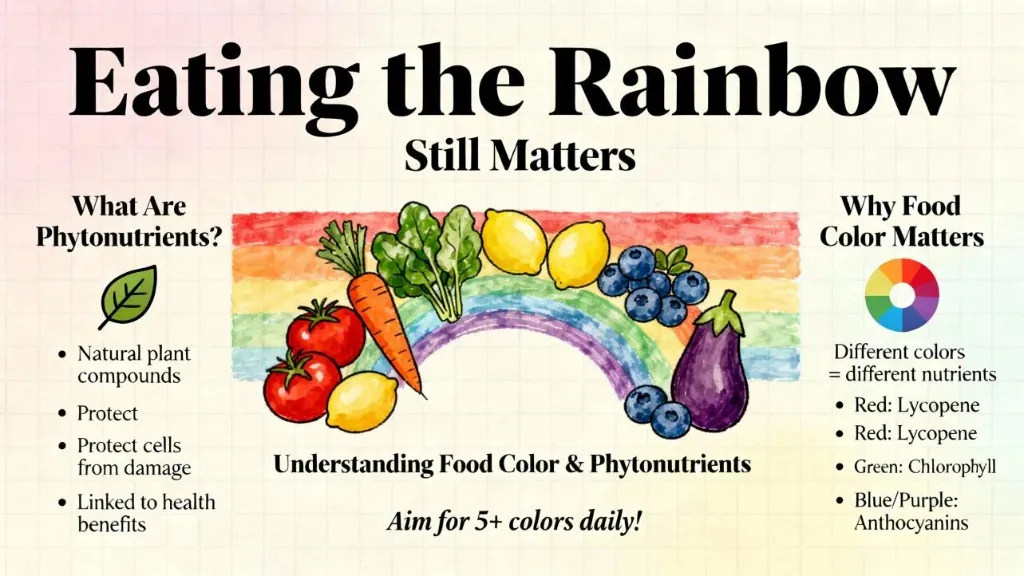
Humans naturally associate colors with specific flavors. These associations begin early in life and are shaped by our environment and experiences.
For example:
- Red is often linked to sweetness
- Yellow and green suggest sourness
- White signals saltiness
- Brown or black is associated with bitterness
Research shows that even infants start forming these connections within months. Over time, cultural differences also shape how we interpret colors in food. For instance, a blue drink might be perceived as mint-flavored in one country but fruity in another.
When Colour Overrides Taste
Color doesn’t just influence expectations-it can actually change how we perceive flavor.
In experiments, adding a red dye to white wine led participants to describe it using terms typically associated with red wine. Even trained wine experts were influenced by the visual cue.
Similarly, when familiar foods are presented in unexpected colors, it can confuse consumers. Limited-edition products with altered colors often create curiosity but also challenge our taste expectations.
This is why food brands and marketers use bold or unusual colors to grab attention. Bright blue drinks or black burgers stand out because they break our normal expectations.
Does Colour Affect How Much We Eat?
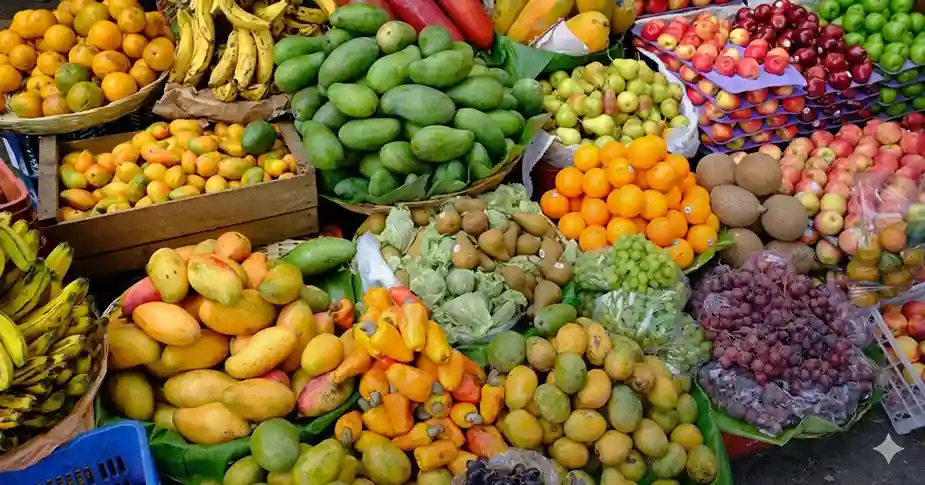
Yes-color variety can significantly impact how much food we consume.
One key concept is sensory-specific satiety, which means we get bored when exposed to the same sensory experience repeatedly. When food comes in multiple colors, it feels more varied and exciting, encouraging us to eat more.
Studies have found that:
- People consume more when food comes in a variety of colors
- Multicolored foods can make portions seem smaller than they are
- Visual diversity increases appetite and prolongs eating
This explains why colorful snacks and candies are so appealing-they keep our senses engaged.
It’s Not Just the Food: Environment Matters Too
Interestingly, color influences eating behavior even beyond the food itself.
Plates and Packaging
The color of plates, bowls, and packaging can alter how we perceive taste. For example:
- Food served in a red bowl may taste sweeter
- Food in a white bowl may taste saltier
Lighting and Atmosphere
Ambient lighting also affects our perception. People are often willing to pay more for food or drinks when consumed under certain colored lighting, such as red or blue.
These subtle cues shape our overall dining experience without us even realizing it.
Colour and Health: Helping People Eat Better
Food color psychology isn’t just for marketing-it has real health applications.
For example, studies show that people with dementia eat more when food is served on brightly colored plates. The contrast helps them better distinguish food, improving both food and fluid intake.
This highlights how thoughtful use of color can enhance nutrition and well-being, especially for vulnerable populations.
Practical Tips: Using Colour to Improve Your Eating Habits
You can use color psychology to your advantage in everyday life:
- Add more colorful fruits and vegetables to increase meal appeal
- Use contrasting plates to make food more visible and appetizing
- Be mindful of multicolored snacks-they may lead to overeating
- Create visually balanced meals to improve satisfaction
Final Thoughts
Color is far more than just a visual detail—it’s a powerful factor that shapes how we experience food. From influencing taste perception to controlling portion sizes, color plays a key role in our eating habits.
By understanding the psychology of food color, you can make smarter choices, improve your diet, and even enhance your overall dining experience.
Leave a Reply