When starting a weight loss journey, one of the most common questions is: Should you focus on cardio or weightlifting? Both training styles offer unique benefits, and understanding how they impact your body can help you choose the most effective strategy for long-term results.
In this guide, we’ll break down the differences between cardio and strength training, explore the role of HIIT, and show you how to combine them for optimal fat loss and overall health.
Table of Contents
ToggleCardio vs Weightlifting: What Burns More Calories?
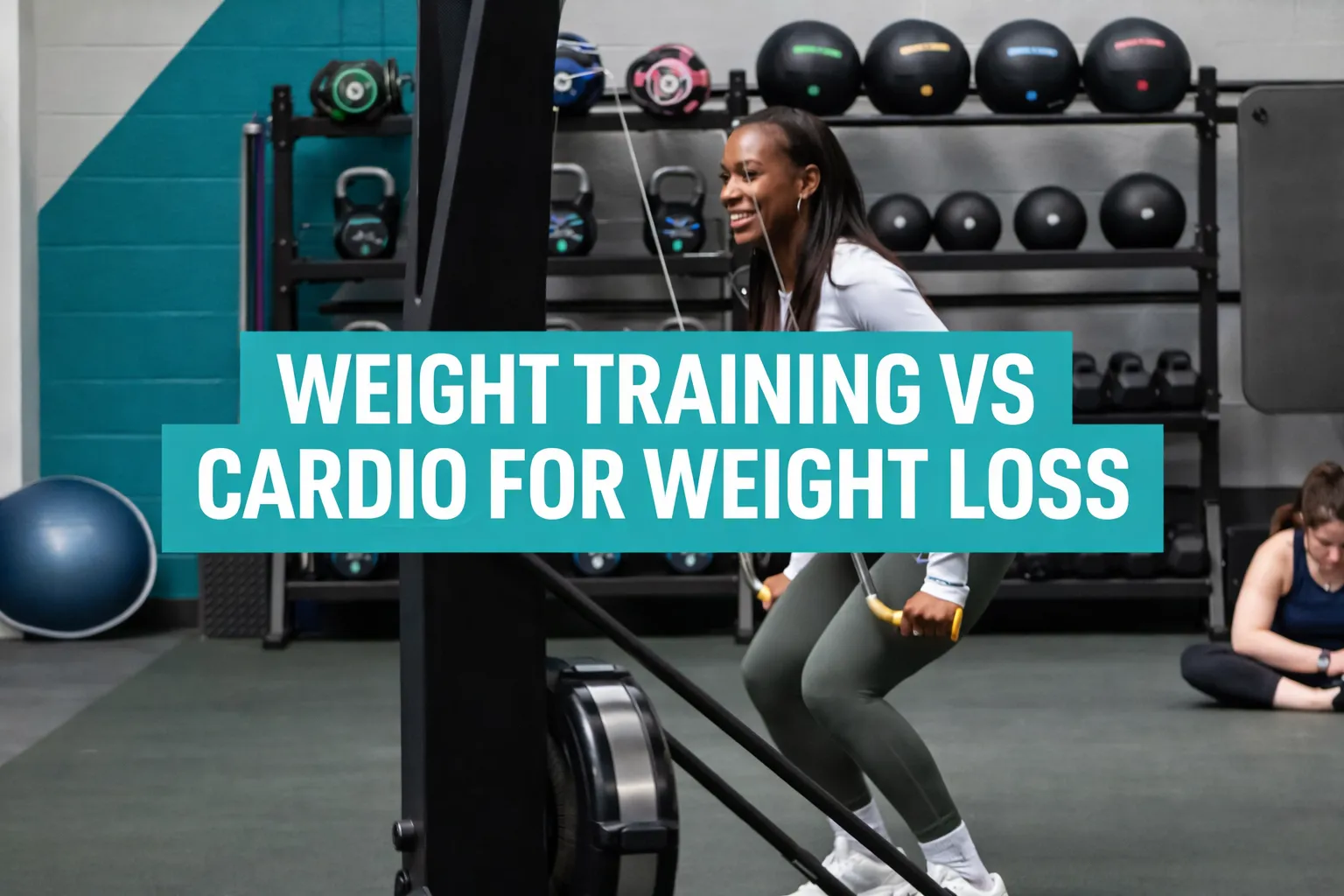
If your main goal is to burn calories quickly, cardio workouts often come out on top.
Activities like running, cycling, or swimming can burn a significant number of calories in a short amount of time. For example, a moderate-intensity cycling session can burn around 145 calories in 30 minutes, while higher intensity can nearly double that.
In contrast, a typical weightlifting session burns fewer calories during the workout itself. However, calorie burn isn’t the only factor that matters when it comes to weight loss.
Key takeaway:
Cardio burns more calories per session, but weightlifting offers long-term metabolic benefits.
How Weightlifting Supports Fat Loss
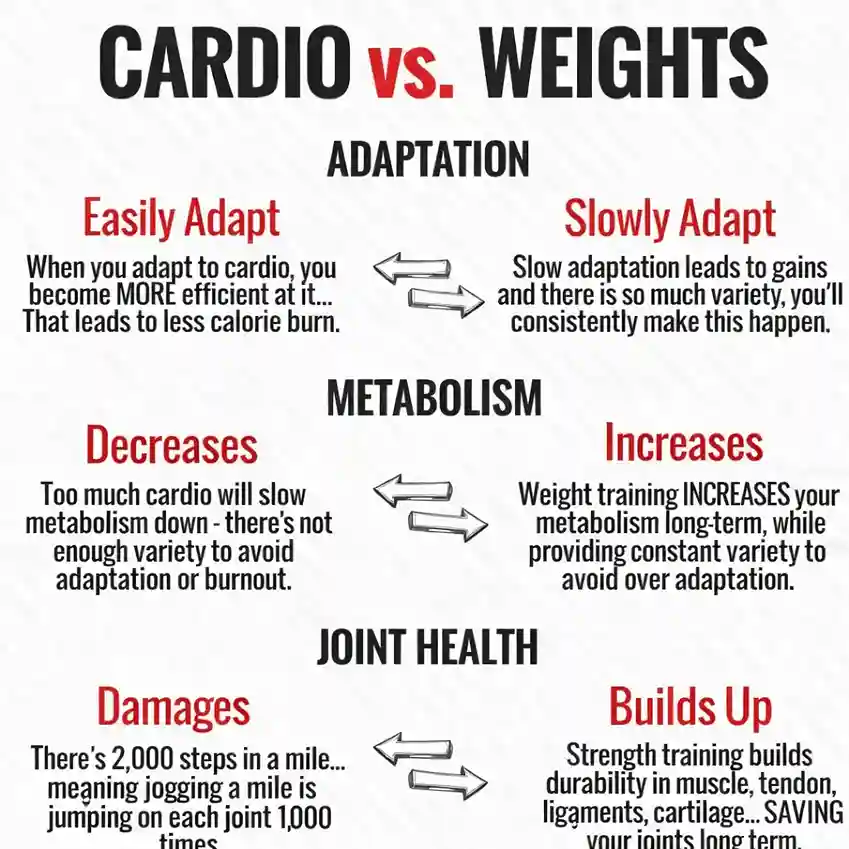
While strength training may not burn as many calories during the workout, it plays a powerful role in changing your body composition.
Building lean muscle increases your resting metabolic rate, meaning your body burns more calories even when you’re not exercising. Additionally, after an intense weight-training session, your body continues to burn calories during recovery — a phenomenon known as the “afterburn effect.”
Over time, this can lead to:
- Increased fat loss
- Improved muscle tone
- Higher overall energy expenditure
Key takeaway:
Weightlifting helps you burn more calories over time and improves how your body looks and functions.
HIIT: The Best of Both Worlds?
High-Intensity Interval Training (HIIT) combines elements of both cardio and strength training into short, intense bursts of activity followed by rest.
A typical HIIT workout:
- Lasts 10–30 minutes
- Burns a high number of calories
- Improves cardiovascular fitness
- Supports fat loss efficiently
Research shows that HIIT can burn 25–30% more calories than traditional workouts in the same amount of time.
Key takeaway:
HIIT is ideal if you want maximum results in minimal time.
Which Workout Is Better for Weight Loss?
The truth is, there’s no one-size-fits-all answer. The most effective approach depends on your goals, lifestyle, and consistency.
Choose Cardio if you:
- Want to burn calories quickly
- Enjoy activities like running or cycling
- Prefer longer, steady workouts
Choose Weightlifting if you:
- Want to build muscle and tone your body
- Aim to boost metabolism long-term
- Prefer structured strength routines
Choose Both (Best Option):
Combining cardio and weight training delivers the best results. You’ll:
- Burn calories efficiently
- Build lean muscle
- Improve endurance and strength
How Much Exercise Do You Really Need?
For sustainable weight loss and overall health, experts recommend:
- 150 minutes of moderate activity per week (e.g., brisk walking)
- 2 days of strength training
OR - 75 minutes of vigorous activity plus strength training
Consistency matters more than intensity. Even small amounts of daily movement can make a big difference over time.
The Role of Diet in Weight Loss
Exercise alone isn’t enough. Your weight ultimately depends on calories in vs. calories out.
To lose weight:
- Maintain a calorie deficit (burn more than you consume)
- Focus on nutrient-dense foods
- Stay consistent with both diet and exercise
Remember, your body also burns calories at rest through basic functions like breathing and digestion — known as your basal metabolic rate (BMR).
Why Combining Cardio and Strength Training Works Best
The most effective weight loss strategy is not choosing one over the other — it’s using both together.
A balanced routine helps you:
- Burn fat more efficiently
- Maintain muscle mass
- Improve heart health
- Boost long-term metabolism
For example:
- Use cardio for calorie burn
- Use weightlifting for muscle growth
- Add HIIT for time efficiency
Final Thoughts
So, cardio or weightlifting — which is better for weight loss?
The answer is: both.
Cardio helps you burn calories fast, while weightlifting builds muscle and keeps your metabolism high. Adding HIIT can accelerate your results even further.
The key to success isn’t choosing one method — it’s staying consistent, combining different types of exercise, and supporting your routine with a healthy diet.
Start small, stay consistent, and focus on progress — not perfection.
Leave a Reply