Maintaining a healthy lifestyle starts with one essential factor—a balanced diet. But what does a balanced diet really mean? It’s not just about eating more vegetables or cutting sugar. Instead, it’s about creating the perfect combination of nutrients that your body needs to function efficiently every day.
In this SEO-friendly guide, you’ll learn everything about a balanced diet chart, including its key components, benefits, and a practical 7-day meal plan to help you get started.
What Is a Balanced Diet?
A balanced diet is a way of eating that includes all essential nutrients in the right proportions. It ensures your body gets enough energy, supports growth, and helps maintain overall health.
A well-balanced plate typically includes:
- Carbohydrates for energy
- Proteins for muscle repair
- Healthy fats for body functions
- Vitamins and minerals for immunity and wellness
Key Components of a Balanced Diet
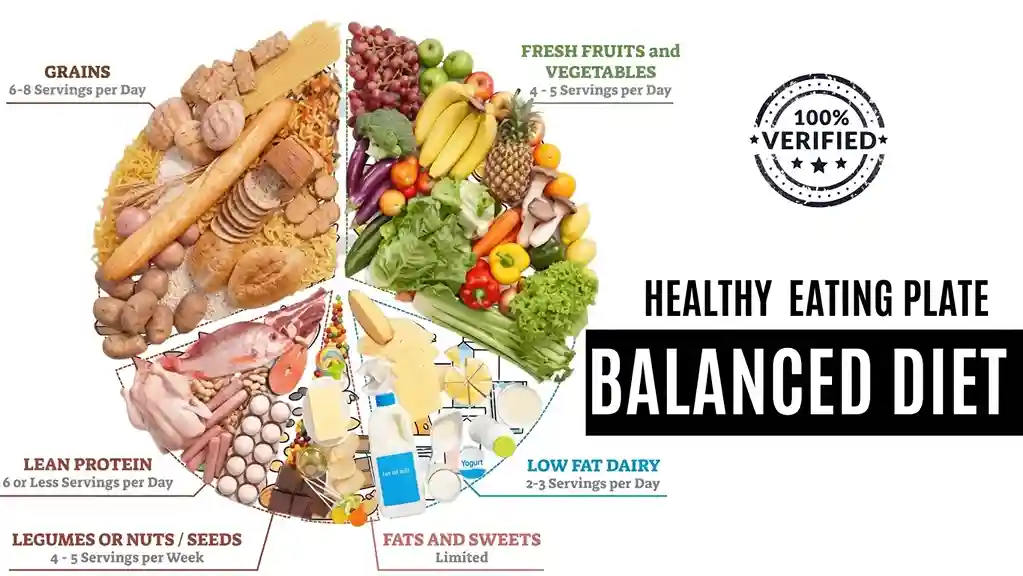
Understanding what goes into your meals is the first step toward healthy eating.
Macronutrients (Needed in Large Amounts)
Carbohydrates
These are your body’s primary energy source. Foods like rice, bread, and whole grains provide sustained energy throughout the day.
Proteins
Protein helps build and repair tissues. You can get it from foods like eggs, chicken, fish, lentils, and dairy products.
Fats
Healthy fats are essential for brain function and hormone balance. Include sources like nuts, seeds, and healthy oils in moderation.
Micronutrients (Needed in Small Amounts)
Micronutrients include vitamins and minerals that support vital body functions. For example:
- Vitamin C (from fruits) boosts immunity
- Calcium (from milk) strengthens bones
Even though they are needed in smaller amounts, they play a crucial role in keeping your body healthy.
Benefits of Following a Balanced Diet
Adopting a balanced diet can transform your overall well-being. Some key benefits include:
- Increased energy levels throughout the day
- Better weight management
- Reduced risk of chronic diseases like diabetes and heart disease
- Improved mental clarity and mood
How to Create a Balanced Diet Chart
Creating your own diet chart doesn’t have to be complicated. Follow these simple steps:
Step 1: Calculate Your Daily Calorie Needs
Your calorie intake depends on your age, gender, and activity level. Understanding your needs helps you avoid overeating or undereating.
Step 2: Balance Macronutrients
Distribute your calories among carbohydrates, proteins, and fats in a way that suits your lifestyle and health goals.
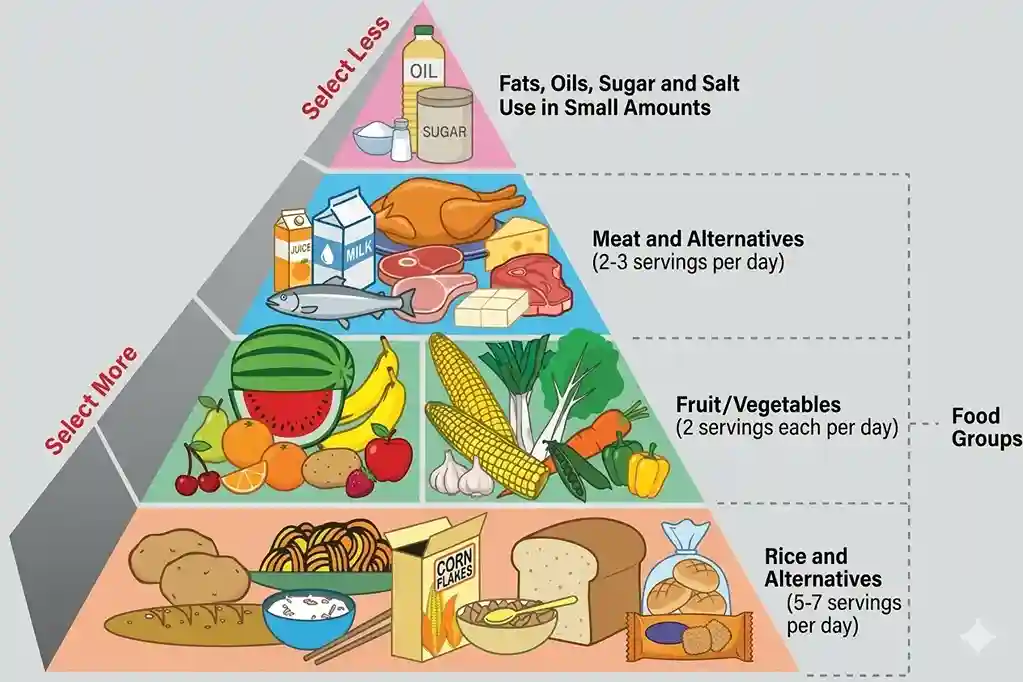
Step 3: Include All Food Groups
Make your plate colorful and diverse:
- Fruits and vegetables for vitamins
- Whole grains for energy
- Protein sources for muscle health
- Dairy or alternatives for strong bones
Sample Balanced Diet Chart (Daily Plan)
Here’s a simple example of a balanced daily meal plan:
- Breakfast: Whole-grain toast with eggs and spinach or vegetable paratha with yogurt
- Lunch: Brown rice with lentils and salad or grilled fish with vegetables
- Dinner: Chicken curry with quinoa or paneer with mixed vegetables
- Snacks: Fresh fruits, nuts, or yogurt
You can adjust portion sizes based on your daily calorie needs (e.g., 1,800–2,000 kcal).
7-Day Balanced Diet Chart for Healthy Living
Day 1
- Breakfast: Oatmeal with fruits and nuts
- Lunch: Grilled chicken salad + whole-grain bread
- Dinner: Fish with quinoa and vegetables
Day 2
- Breakfast: Vegetable omelette + toast
- Lunch: Brown rice with lentil curry
- Dinner: Tofu with broccoli and rice
Day 3
- Breakfast: Green smoothie
- Lunch: Whole-wheat pasta + salad
- Dinner: Baked salmon with sweet potato
Day 4
- Breakfast: Multigrain paratha + yogurt
- Lunch: Chicken with brown rice
- Dinner: Vegetable soup + bread
Day 5
- Breakfast: Greek yogurt + granola
- Lunch: Roti with paneer curry
- Dinner: Chicken breast + green beans
Day 6
- Breakfast: Vegetable poha
- Lunch: Dal with rice and vegetables
- Dinner: Fish or tofu stir-fry
Day 7
- Breakfast: Eggs with avocado toast
- Lunch: Lemon rice with lentil soup
- Dinner: Light chicken stew or vegetable soup
Tips to Maintain a Balanced Diet

Staying consistent is key. Here are some practical tips:
Plan Your Meals
Preparing meals in advance helps you avoid unhealthy last-minute choices.
Control Portions
Use smaller plates and eat mindfully to avoid overeating.
Stay Hydrated
Drink at least 6–8 glasses of water daily to support digestion and metabolism.
Avoid Processed Foods
Limit foods high in sugar, salt, and unhealthy fats. Choose whole, natural foods whenever possible.
Common Mistakes to Avoid
- Skipping meals, which can lead to overeating later
- Eating too much of one food group
- Relying heavily on supplements instead of real food
Who Should Follow a Balanced Diet?
A balanced diet is essential for everyone, but especially for:
- Children and teens: For proper growth and development
- Adults: To maintain health and prevent diseases
- Seniors: To boost immunity and energy
- Athletes: To improve performance and recovery
- People with health conditions: To manage symptoms effectively
Conclusion
A balanced diet chart is your roadmap to a healthier and more energetic life. By combining the right nutrients, maintaining portion control, and building healthy eating habits, you can significantly improve your overall well-being.
Remember, healthy eating is not about strict restrictions—it’s about balance, variety, and consistency. Start small, stay consistent, and your body will thank you in the long run.
Frequently Asked Questions (FAQs)
1. What is a balanced diet chart?
It is a meal plan that includes the right portions of carbohydrates, proteins, fats, vitamins, and minerals to meet your daily nutritional needs.
2. Can I create a balanced diet at home?
Yes, by calculating your calorie needs and including all food groups in proper proportions.
3. Why is a balanced diet important?
It provides energy, supports body functions, and helps prevent chronic diseases.
4. Can a balanced diet help with weight loss?
Absolutely. It helps control calorie intake while keeping you full and satisfied.
5. What food groups are included in a balanced diet?
Grains, proteins, fruits, vegetables, and dairy or alternatives.
✨ Start your healthy eating journey today with a balanced diet and enjoy a better, more vibrant life!
Leave a Reply