In recent years, clean eating has evolved from a simple buzzword into one of the most popular healthy lifestyle trends. From social media influencers to nutrition experts, everyone seems to be talking about eating “clean.” But what does it really mean-and is it always as healthy as it sounds?
In this SEO-optimized blog, we’ll explore the definition of clean eating, its benefits, potential risks, and how to follow it in a balanced way.
What Is Clean Eating?
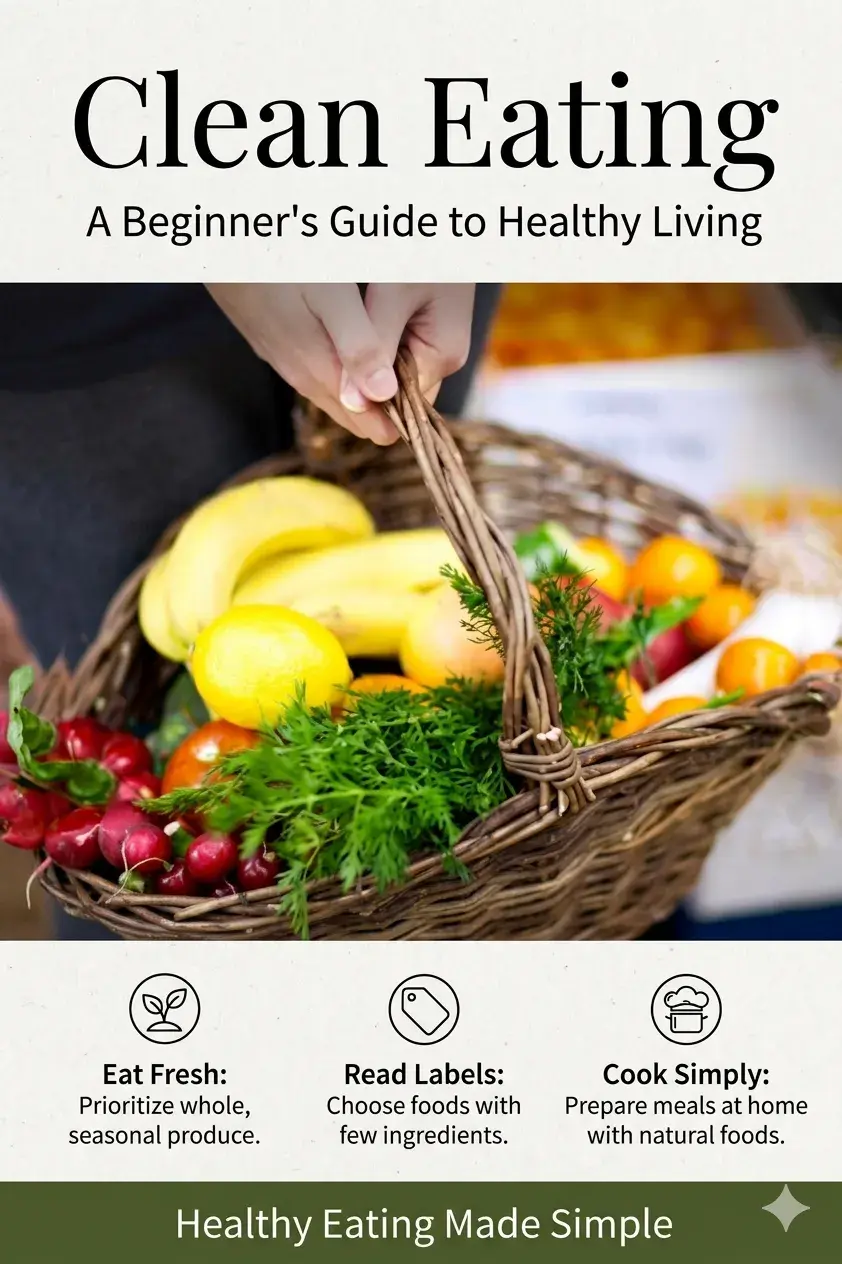
Clean eating generally refers to consuming foods that are as close to their natural state as possible. While the term is not officially regulated, it is commonly associated with:
- Whole, unprocessed foods
- Fresh fruits and vegetables
- Whole grains
- Lean proteins
- Healthy fats
- Minimal additives, preservatives, sugar, and salt
Clean eating may also overlap with other dietary approaches such as plant-based, organic, gluten-free, or sugar-free diets.
👉 In simple terms, clean eating focuses on quality, simplicity, and nutrition.
Why Is Clean Eating So Popular?
The rise of clean eating is closely linked to social media influence. Platforms like Instagram and TikTok have made it easy for influencers, celebrities, and bloggers to share their meals, recipes, and healthy lifestyles.
Studies show that a large percentage of young people are familiar with clean eating through:
- Social media content
- Online health platforms
- Peer influence
This constant exposure has made clean eating not just a diet-but a lifestyle trend.
Benefits of Clean Eating
When practiced correctly, clean eating can offer several health benefits:
💪 Improved Overall Health
Eating whole, nutrient-rich foods supports better digestion, immunity, and long-term wellness.
⚖️ Better Weight Management
Limiting processed foods and added sugars helps control calorie intake naturally.
⚡ Increased Energy Levels
Whole foods provide sustained energy compared to processed snacks.
🧠 Enhanced Mental Well-being
A balanced diet can improve mood, focus, and cognitive function.
The Dark Side of Clean Eating
Despite its benefits, clean eating is not always harmless. When taken to extremes, it can become overly restrictive and unhealthy.
Some potential downsides include:
- Eliminating entire food groups (like dairy or grains) without medical reasons
- Developing strict food rules and guilt around eating
- Increased anxiety about food choices
- Social isolation due to limited eating options
The idea that some foods are “clean” and others are “dirty” can create unrealistic expectations and unhealthy relationships with food.
Orthorexia: When Healthy Eating Becomes Obsessive
In extreme cases, clean eating may lead to a condition known as orthorexia nervosa—an unhealthy obsession with eating only “pure” or “healthy” foods.
Although not officially classified as a medical disorder, orthorexia is characterized by:
- Constant preoccupation with food quality
- Anxiety or guilt when deviating from strict eating rules
- Avoidance of social situations involving food
- Negative impact on daily life and relationships
Unlike other eating disorders that focus on weight loss, orthorexia is centered around perfection in diet and health.
Healthy Eating vs. Orthorexia
It’s important to understand the difference between balanced healthy eating and obsessive behavior:
Healthy Eating:
- Flexible and enjoyable
- Includes a variety of foods
- Allows occasional treats
- Supports overall well-being
Orthorexia:
- Rigid and restrictive
- Eliminates many foods unnecessarily
- Causes stress and anxiety
- Interferes with daily life
👉 The goal should always be balance, not perfection.
The Impact of Social Media on Clean Eating
Social media plays a major role in shaping modern eating habits. While it can inspire healthy choices, it can also create pressure to follow unrealistic standards.
Frequent exposure to “perfect” meals and bodies may lead to:
- Negative body image
- Comparison and self-doubt
- Increased risk of disordered eating
Interestingly, research suggests that heavy use of image-based platforms like Instagram may be linked to a higher risk of obsessive healthy eating behaviors.
How to Practice Clean Eating the Right Way
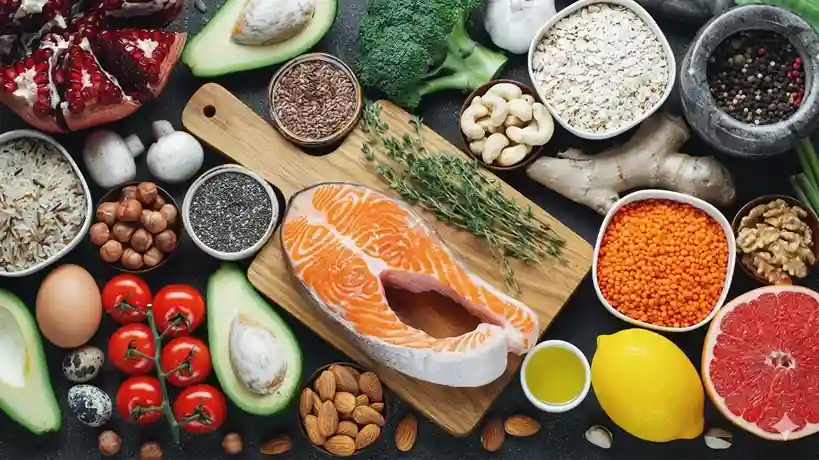
To enjoy the benefits of clean eating without the risks, follow these simple guidelines:
✔️ Focus on Whole Foods
Choose fresh fruits, vegetables, whole grains, and lean proteins.
✔️ Avoid Extreme Restrictions
Don’t eliminate entire food groups unless medically necessary.
✔️ Keep It Flexible
Allow yourself occasional treats without guilt.
✔️ Listen to Your Body
Eat when you’re hungry and stop when you’re full.
✔️ Prioritize Balance
Remember that overall diet quality matters more than perfection.
The Future of Clean Eating
As clean eating continues to grow in popularity, there are increasing calls for clearer food labeling and regulations. This could help prevent misleading marketing and ensure consumers make informed choices.
At the same time, awareness about the potential risks of restrictive eating is also rising, encouraging a more balanced and mindful approach to nutrition.
Final Thoughts
Clean eating can be a powerful way to improve your health by focusing on natural, minimally processed foods. However, it’s important to remember that it is not a one-size-fits-all approach.
When taken to extremes, clean eating can lead to unhealthy behaviors and even eating disorders like orthorexia. The key is to maintain balance, flexibility, and a positive relationship with food.
Frequently Asked Questions (FAQs)
1. What is clean eating?
Clean eating is a dietary approach that focuses on consuming whole, minimally processed foods with little to no additives.
2. Is clean eating good for weight loss?
Yes, it can support weight loss by reducing processed foods and improving overall diet quality.
3. Can clean eating be unhealthy?
Yes, if it becomes too restrictive or obsessive, it may negatively affect mental and physical health.
4. What foods are included in clean eating?
Fruits, vegetables, whole grains, lean proteins, and healthy fats.
5. How can I start clean eating?
Begin by replacing processed foods with whole foods and gradually building healthier eating habits.
Remember: Healthy eating is not about being perfect—it’s about making better choices consistently.
Leave a Reply