Have you ever taken a bite of a familiar dish and suddenly felt transported back to your childhood? A simple flavor, aroma, or texture can unlock memories you didn’t even realize were still there. This powerful connection between food and memory is something we all experience—and it goes far beyond taste.
In this blog, we explore how food evokes nostalgia, why it happens, and how you can reconnect with your past through the dishes you love.
Table of Contents
ToggleThe “Madeleine Moment” and the Science of Memory
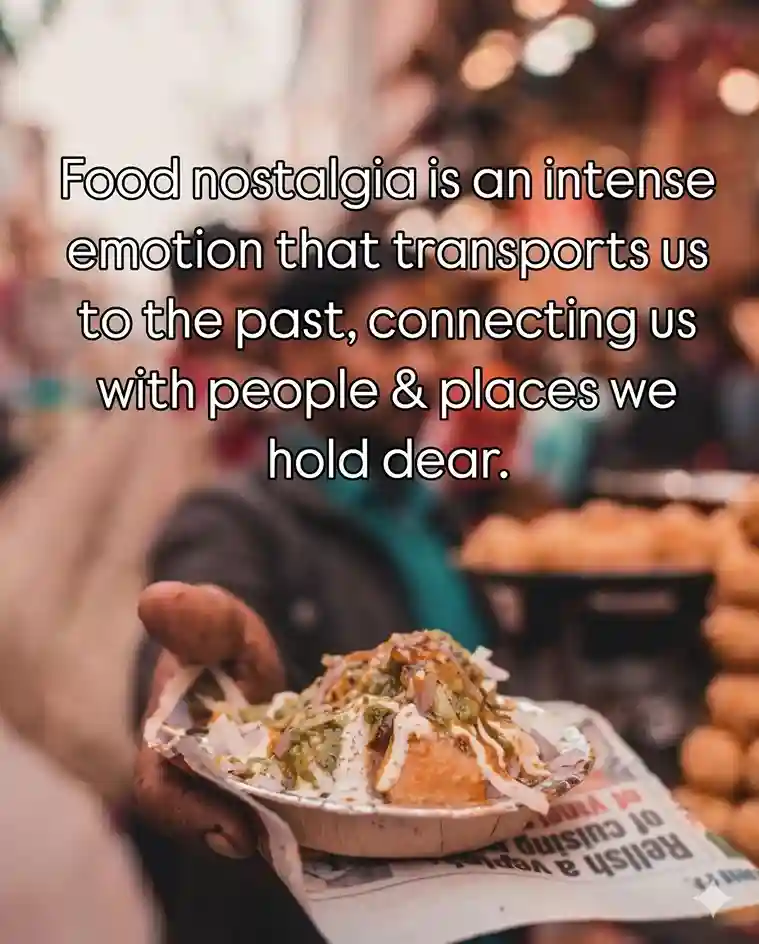
The idea that food can trigger vivid memories isn’t new. In fact, French novelist Marcel Proust famously described how tasting a madeleine cake dipped in tea brought back a flood of childhood memories in his novel In Search of Lost Time.
This phenomenon, often referred to as the “Proustian moment,” highlights how deeply taste and smell are tied to memory.
Why does this happen?
- The brain processes taste and smell alongside emotions
- The olfactory system (sense of smell) is directly linked to the limbic system
- The limbic system controls memory and emotional responses
👉 This is why a single bite can instantly bring back powerful feelings and vivid memories from years ago.
Food as a Portal to the Past
In today’s busy world, revisiting childhood places and moments isn’t always possible. However, food offers a unique way to reconnect with the past—right from your own kitchen.
A familiar dish can:
- Recreate moments with family
- Bring back feelings of comfort and security
- Remind you of traditions and cultural roots
👉 In many ways, cooking becomes a form of time travel.
A Personal Story: Rediscovering a Childhood Favorite
For many people, nostalgic food memories are deeply personal.
Imagine flipping through an old family recipe book and rediscovering a long-forgotten dish. That’s exactly what happened when one childhood favorite resurfaced: Handvo, a traditional Gujarati savory cake made from lentils and rice.
This dish, often prepared during weekends, carries memories of:
- Family gatherings
- Home-cooked meals
- Simple, joyful moments
As the aroma fills the kitchen, it recreates the past—bringing back laughter, warmth, and the comforting presence of loved ones.
👉 Recreating a childhood dish isn’t just cooking—it’s reliving a memory.
The Psychology Behind Food Nostalgia
According to Susan Krauss Whitbourne, food memories are deeply rooted in nonverbal areas of the brain, meaning they can bypass conscious thought and trigger emotional responses instantly.
What makes food nostalgia so powerful?
- It connects us to people we love
- It reminds us of meaningful life experiences
- It creates a sense of belonging and identity
Food nostalgia often evokes:
- Comfort and warmth
- Happiness and security
- A longing for simpler times
👉 These emotional connections make food much more than just nourishment.
Food, Culture, and Family Traditions
Every culture has dishes that carry emotional significance. These meals are often passed down through generations, preserving family traditions and heritage.
Examples include:
- Weekend family meals
- Holiday recipes
- Traditional comfort foods
Cooking and sharing these dishes helps:
- Strengthen family bonds
- Keep traditions alive
- Pass stories from one generation to the next
👉 Food becomes a living memory—one that evolves but never fades.
How to Reconnect with Your Food Memories
If you’re feeling nostalgic or simply want to reconnect with your past, here are a few simple ways:
1. Revisit Old Recipes
Dust off family cookbooks or ask relatives for traditional recipes.
2. Cook with Loved Ones
Sharing the cooking experience can recreate meaningful moments.
3. Focus on Senses
Pay attention to the smell, taste, and texture—it enhances emotional recall.
4. Create New Traditions
Blend old recipes with modern twists to keep memories alive.
👉 Every dish you prepare can become part of your personal story.
Why Food Nostalgia Matters
Food plays a vital role in our lives—not just physically, but emotionally and psychologically.
It helps us:
- Cope with stress
- Feel connected to our roots
- Preserve meaningful memories
In a fast-paced world, food offers a rare opportunity to pause, reflect, and reconnect.
Final Thoughts: Every Bite Tells a Story
Food nostalgia reminds us that the kitchen is more than a place to cook—it’s a place where memories live.
From Marcel Proust’s madeleine moment to your own childhood favorites, every dish has the power to transport you through time.
So the next time you crave a taste of home:
- Open that old recipe book
- Recreate a beloved dish
- Share it with the people you love
👉 Because in the end, every bite is a step closer to home.
Start your nostalgic journey today—one recipe, one memory, one bite at a time.
Leave a Reply