Food is more than just sustenance-it reflects culture, technology, and human innovation. Over centuries, culinary practices have evolved dramatically, shaped by trade, geography, and scientific advancements. From simple survival-based diets in ancient civilizations to today’s highly creative and technology-driven cooking methods, the way we prepare and consume food tells a powerful story about human progress.
In this blog, we explore how culinary practices have changed through time and how they continue to shape societies today.
Table of Contents
ToggleAncient Beginnings: Food for Survival and Simplicity
Ancient Egypt: The Foundation of Early Diets
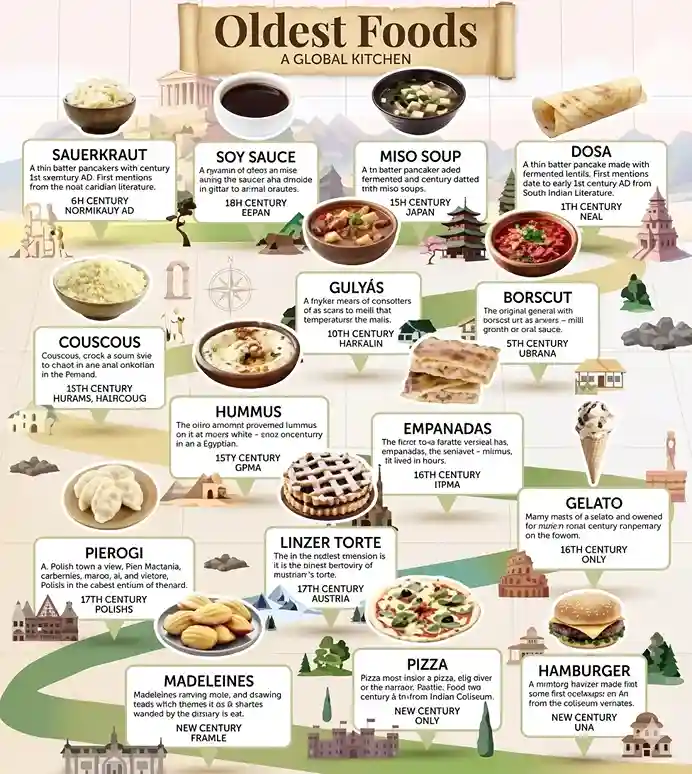
In Ancient Egypt, food was largely based on barley, wheat, and vegetables. Bread and porridge formed the backbone of daily meals, while meat was considered a luxury reserved for special occasions.
Key highlights of Egyptian cuisine:
- High reliance on grains and legumes
- Use of vegetables like onions, garlic, and cucumbers
- Early forms of cheesemaking and dairy consumption
- Fish preservation through drying and smoking
Beer and wine were also essential parts of daily life, often consumed with meals and during social gatherings.
👉 Cooking methods such as boiling, baking, roasting, and frying laid the groundwork for future culinary techniques.
Ancient Greece: Agriculture and Simplicity
Geography played a crucial role in shaping Greek cuisine. With limited fertile land, Greeks focused on crops that thrived in their environment.
Staple foods included:
- Barley and wheat for bread
- Olives and olive oil
- Grapes for wine
- Fruits like figs and pears
The Greek diet emphasized vegetables, dairy, and grains, with meat consumed sparingly.
👉 Olive oil became a cornerstone ingredient, used not only in cooking but also in medicine and religious rituals.
Ancient Rome: Expansion Through Trade
The Roman Empire revolutionized culinary practices through extensive trade networks, including routes like the Silk Road.
This brought:
- Exotic spices
- New ingredients
- Greater dietary diversity
Roman cuisine still relied on familiar staples like grains and vegetables but incorporated richer flavors and more complex dishes.
Popular cooking techniques included:
- Boiling for grains and legumes
- Roasting meats over open flames
- Baking pastries and desserts
- Stewing dishes with herbs and spices
👉 Food also became central to social life, with elaborate feasts and communal dining traditions.
The Middle Ages: Preservation and Tradition
During the Middle Ages, culinary practices were influenced by religion, trade, and necessity.
Key developments:
- Food preservation methods like salting and smoking
- Strong influence of religious dietary restrictions
- Communal meals promoting unity and culture
One major advancement was in brewing and winemaking. Monasteries became centers of innovation, introducing:
- The use of hops in beer
- Early distillation techniques
👉 These innovations laid the foundation for modern alcoholic beverages.
The Renaissance: A Culinary Revolution
The Renaissance marked a turning point in food history, driven by exploration and cultural exchange.
With global trade expanding, new ingredients were introduced to Europe, including:
- Tomatoes, potatoes, and corn
- Chocolate and coffee
- Turkey and squash
This era also saw:
- The rise of cookbooks
- Increased culinary experimentation
- Greater variety in diets
Sugar, once a luxury, became a popular ingredient among the wealthy, while new alcoholic beverages like champagne, whiskey, gin, and rum emerged.
👉 Food became not just nourishment, but an art form and expression of status.
The Modern Age: Technology Meets Creativity
Modern culinary practices are defined by innovation and convenience. While traditional methods like baking and roasting remain, technology has transformed how we cook and store food.
Key technological advancements:
- Refrigeration: Extended food shelf life and reduced waste
- Stoves and ovens: Safer and more efficient cooking
- Microwaves and appliances: Faster meal preparation
Modern cooking trends:
- Sous vide cooking for precision
- Molecular gastronomy blending science and cuisine
- Rise of plant-based and alternative foods
👉 Today, food is more diverse than ever, with global cuisines influencing one another and creating endless possibilities.
The Impact of Culinary Evolution on Society
The evolution of food is closely tied to:
- Cultural identity
- Economic development
- Technological progress
From ancient communal meals to modern global dining experiences, food continues to:
- Bring people together
- Reflect traditions and values
- Drive innovation in health and sustainability
Conclusion: From Survival to Innovation
Culinary practices have come a long way—from simple grain-based diets to sophisticated, technology-driven cuisine. Each era introduced new ingredients, techniques, and cultural influences that shaped how we eat today.
👉 As we move forward, the future of food will likely focus on:
- Sustainability
- Health-conscious choices
- Technological innovation
Ultimately, the story of food is the story of humanity—constantly evolving, adapting, and bringing people together across time and cultures.
Explore more food history and modern culinary trends to better understand how what we eat shapes who we are.
Leave a Reply