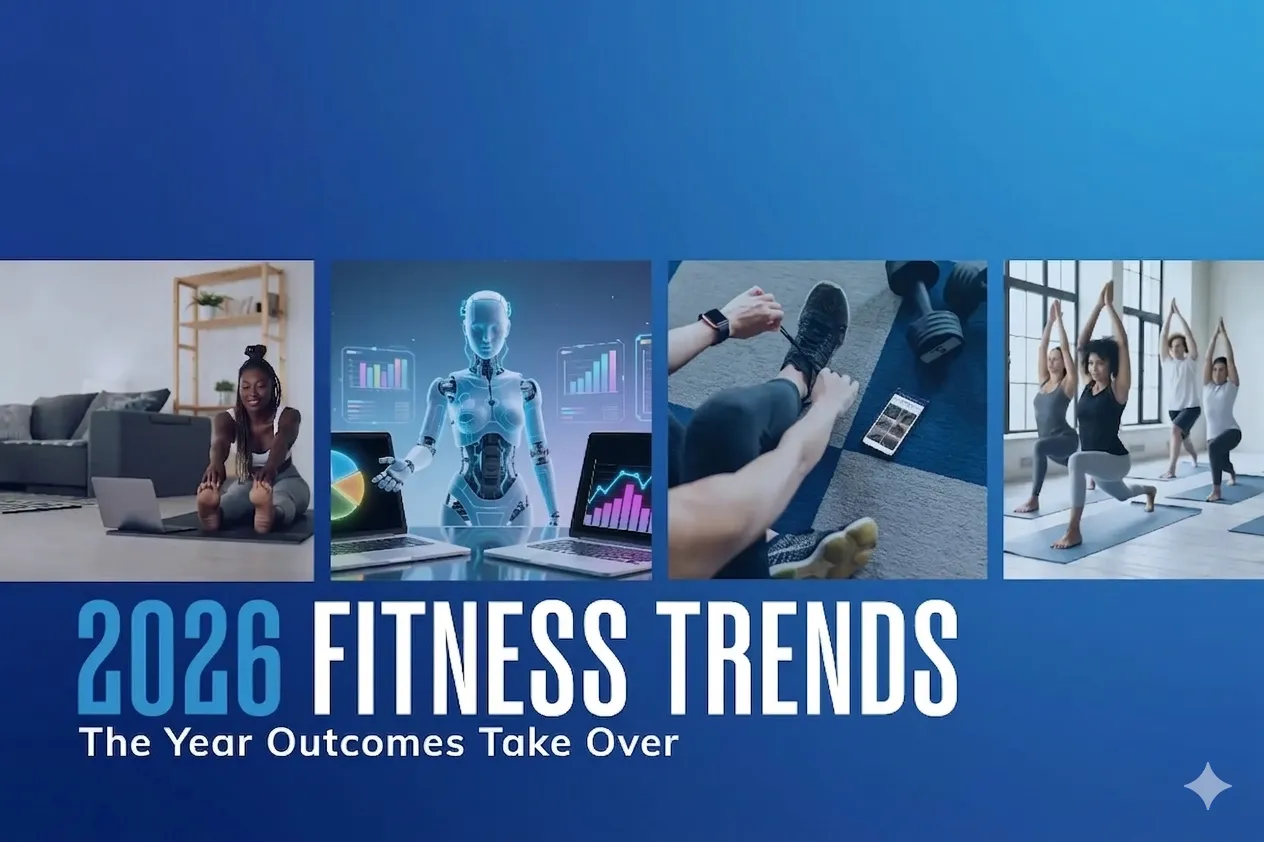
The fitness industry is evolving rapidly, and 2026 marks a major turning point. Gone are the days of “all-out intensity at any cost.” Today, the focus is on smarter training, better recovery, and long-term health. With the rise of advanced technology, personalized programs, and holistic wellness approaches, fitness is becoming more sustainable, data-driven, and accessible than ever before.
In this new era, success isn’t just about how hard you train-it’s about how well you recover, adapt, and stay consistent over time.
Table of Contents
ToggleTech-Driven Fitness: Smarter Workouts with Data
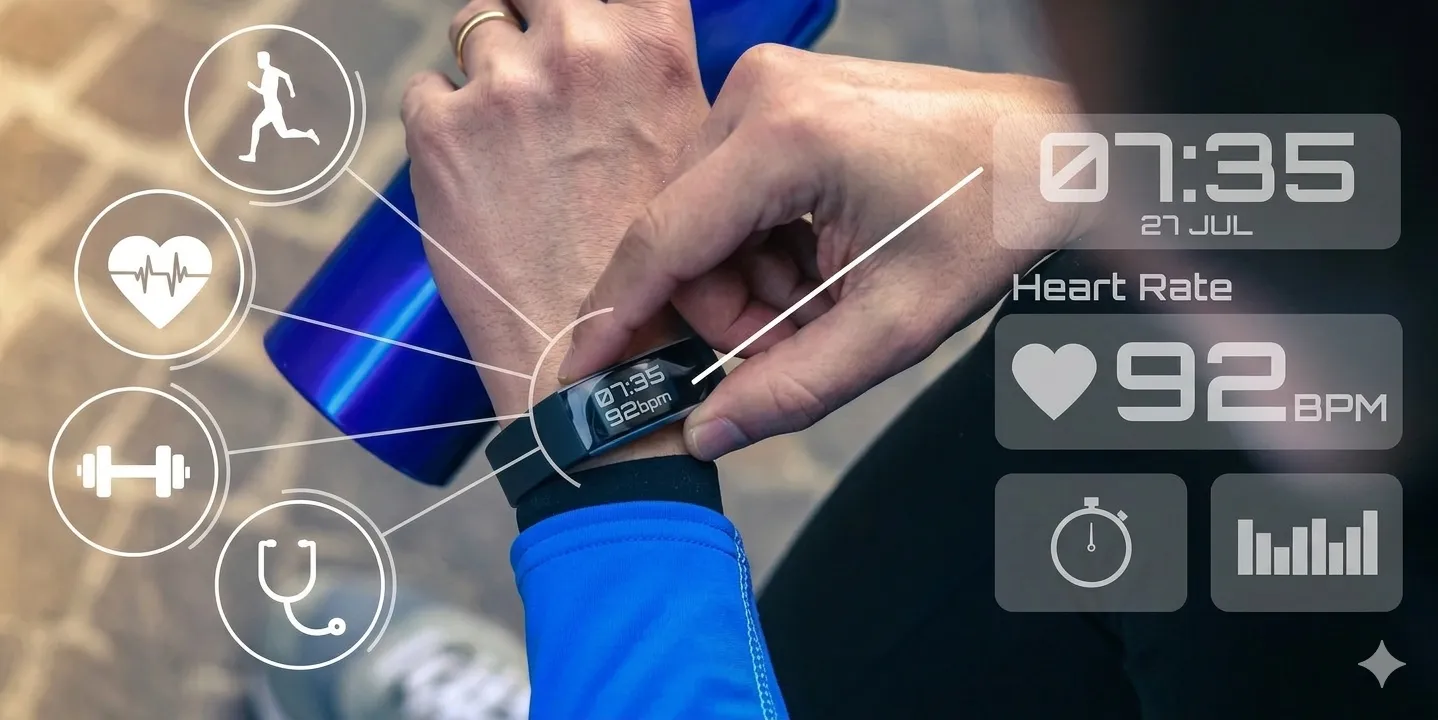
Technology is transforming how people train and understand their bodies. Modern fitness wearables-such as smartwatches, rings, and AI-powered sensors-now track more than just steps or calories. They monitor:
- Heart rate variability (HRV)
- Sleep quality
- Stress levels
- Recovery status
These insights allow users to adjust workouts in real time. For example, a high HRV score may indicate readiness for intense training, while a low score suggests the need for rest or lighter activity.
AI-powered fitness apps take this even further by analyzing data and providing personalized recommendations. This helps users avoid overtraining, reduce injury risk, and maintain steady progress.
The Rise of Hybrid Fitness Models
Fitness is no longer limited to the gym. In 2026, hybrid training models are becoming the norm, combining:
- In-person gym sessions
- Virtual workouts
- At-home fitness programs
This flexibility allows people to stay consistent even with busy schedules. Virtual coaching, gamified workouts, and even VR fitness experiences are making exercise more engaging and accessible.
As a result, fitness is no longer tied to a single location-it fits seamlessly into everyday life.
Hyper-Personalised Training with AI
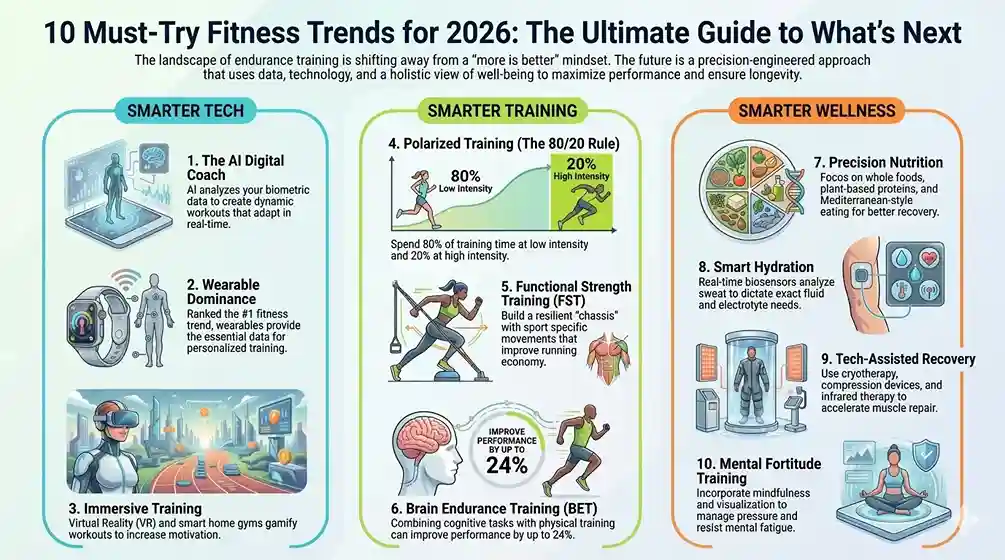
Personalization is one of the biggest fitness trends in 2026. AI and machine learning are now used to design workout and recovery plans tailored to each individual.
These systems analyze performance data, sleep patterns, and recovery signals to:
- Adjust workout intensity
- Recommend rest periods
- Track progress over time
Instead of replacing trainers, AI works alongside them. While technology handles data and programming, coaches provide expert guidance, motivation, and technique correction.
This combination creates a more efficient and effective training experience for both beginners and advanced athletes.
Recovery and Longevity Take Center Stage
One of the most important shifts in fitness is the growing emphasis on recovery. In 2026, rest is no longer seen as optional—it’s essential for progress.
Popular recovery methods include:
- Cold plunges to reduce inflammation
- Infrared saunas to improve circulation
- Percussive therapy for muscle relaxation
- Sleep optimization for overall recovery
Active recovery is also gaining popularity. Low-intensity activities like walking, yoga, and swimming help maintain movement without adding stress to the body.
This shift reflects a broader mindset: sustainable fitness is built on balance, not burnout.
Functional Strength and Mobility Training
Functional fitness continues to rise as people prioritize real-life strength and movement. Instead of isolating muscles, this approach focuses on exercises that improve everyday activities, such as:
- Squats
- Lunges
- Step-ups
- Loaded carries
Mobility training is also becoming a key component of fitness routines. Improved flexibility and joint health help reduce injury risk and enhance overall performance.
Together, strength and mobility create a more balanced and resilient body.
Mental Fitness and Mind-Body Connection
In 2026, fitness is not just physical-it’s mental too. Practices like mindfulness, breathing exercises, yoga, and Pilates are becoming essential parts of training routines.
These methods help:
- Reduce stress
- Improve focus
- Enhance recovery
- Support emotional wellbeing
Mind-body training also improves performance by helping individuals stay calm and focused during workouts. This leads to better endurance, control, and consistency.
Inclusive Fitness and Active Aging
Fitness is becoming more inclusive, with programs designed for all ages and ability levels. For older adults, exercise plays a crucial role in maintaining:
- Balance and coordination
- Muscle strength
- Joint flexibility
Gyms are adapting by offering smaller classes, guided sessions, and beginner-friendly equipment. These changes make fitness more accessible and encourage long-term participation.
Active aging is no longer a niche concept—it’s a core part of the fitness industry.
Medical-Integrated Fitness and Preventive Health
Another key trend is the integration of fitness and healthcare. Exercise is increasingly recognized as a form of preventive medicine.
Many fitness centers now collaborate with healthcare professionals to support individuals who:
- Are recovering from injuries
- Have chronic conditions
- Need structured, safe training programs
With the help of data and professional guidance, fitness becomes more than just exercise—it becomes a long-term health strategy.
Sustainable and Eco-Friendly Fitness
Sustainability is also shaping the future of fitness. Many gyms are adopting eco-friendly practices, such as:
- Energy-efficient equipment
- Recycled materials
- Water-saving systems
At the same time, more people are incorporating outdoor workouts into their routines. Training in nature not only benefits the environment but also improves mood and mental health.
Personalized Nutrition and Gut Health
Nutrition remains a key pillar of fitness in 2026. The focus is shifting toward simple, whole foods that support performance and recovery.
Key strategies include:
- Eating minimally processed foods
- Incorporating anti-inflammatory ingredients
- Supporting gut health with probiotics
A balanced diet helps maintain energy levels, improve recovery, and enhance overall performance. Small, consistent changes in eating habits can lead to significant long-term results.
Community and Social Fitness Experiences
Fitness is becoming more social. Group classes, online communities, and fitness challenges are helping people stay motivated and accountable.
Working out with others provides:
- Encouragement and support
- A sense of belonging
- Greater consistency
This social aspect makes fitness more enjoyable and sustainable over time.
The Future of Fitness in 2026 and Beyond
Fitness in 2026 is smarter, more personalized, and more holistic than ever before. Technology, recovery, nutrition, and community are all working together to create a balanced approach to health.
The future isn’t about pushing harder-it’s about training smarter, recovering better, and staying consistent.
By embracing these trends, individuals can build a fitness routine that supports not just performance, but long-term wellbeing.
Leave a Reply