In 2026, healthy eating is being redefined by a powerful yet simple idea: less is more. As consumers move away from complex diets and heavily processed foods, minimalist diets are gaining traction worldwide. This approach focuses on fresh, natural ingredients with short and recognizable ingredient lists, helping people feel better physically and mentally every day.
Minimalist diets are not just a passing trend-they reflect a deeper shift in how people think about food, health, and wellbeing. From improved energy levels to reduced stress, simplicity in nutrition is becoming the foundation of a healthier lifestyle.
What Is a Minimalist Diet?
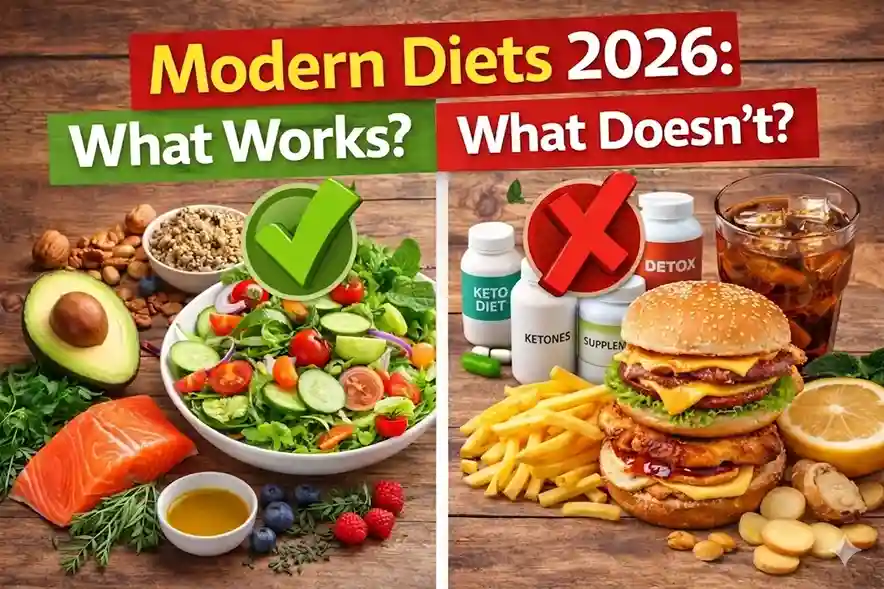
A minimalist diet emphasizes whole, natural foods with minimal processing. Instead of relying on complicated recipes or artificial ingredients, this approach prioritizes:
- Fresh vegetables and fruits
- Whole grains
- Natural proteins
- Simple cooking methods
The goal is to nourish the body with clean, straightforward ingredients while avoiding unnecessary additives and preservatives.
A New Definition of “Healthy Eating”
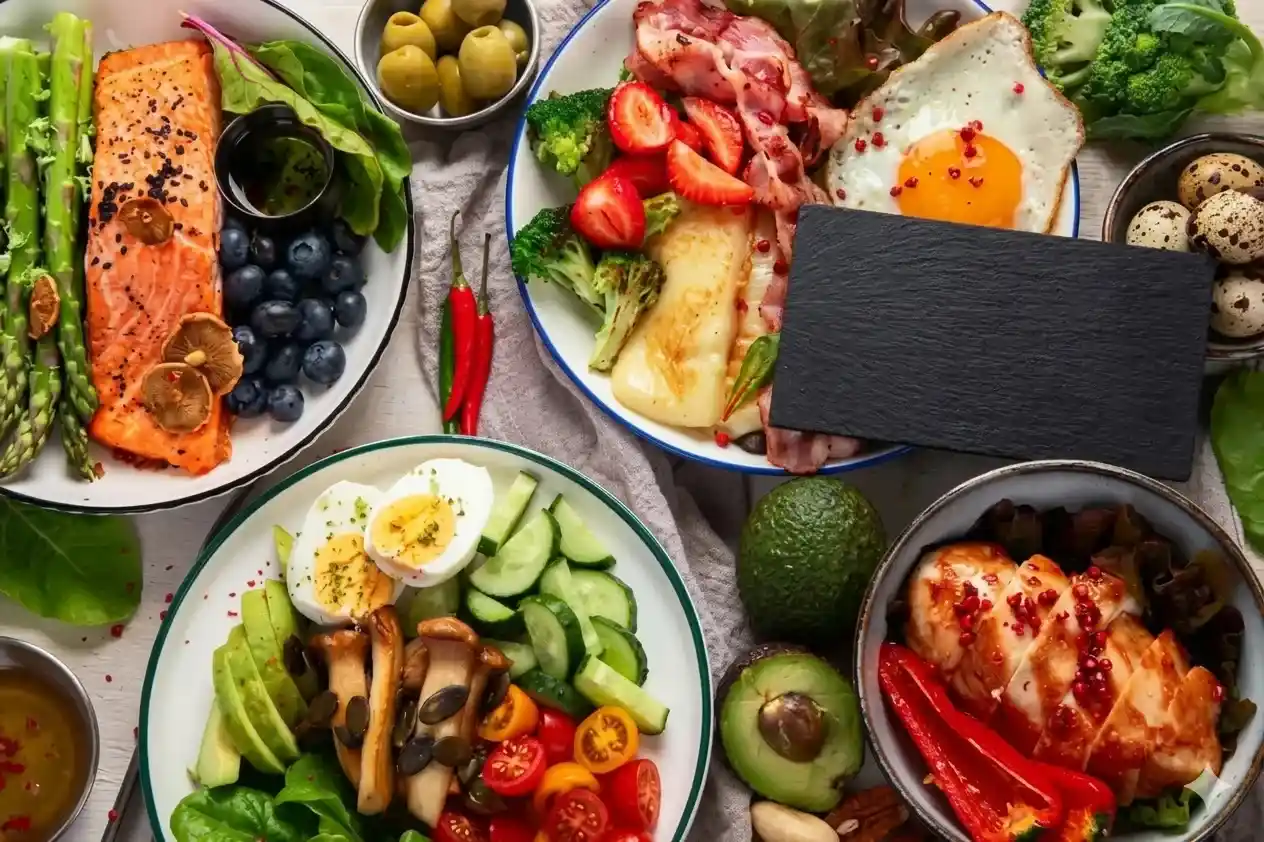
Today’s consumers are no longer focused solely on long-term health outcomes. Instead, they want immediate benefits from the food they eat—such as:
- Increased energy
- Better mood
- Improved focus
- Reduced stress
This shift has brought minimalist eating into the mainstream. People are choosing foods that help them feel good now, not just in the future.
At the same time, awareness of ultra-processed foods is growing. Many consumers associate these products with artificial ingredients, hidden additives, and negative health effects, driving demand for simpler, more transparent options.
The Growing Awareness of Ultra-Processed Foods
Consumers today are more informed and cautious about what they eat. Many actively look for:
- “No additives” labels
- Natural ingredients
- Transparent sourcing
- Easy-to-understand packaging
Complex ingredient lists and technical jargon are increasingly seen as red flags. Instead, shoppers prefer clarity and honesty, choosing products that clearly communicate what’s inside.
This shift is reshaping the food industry, pushing brands to simplify formulations and improve transparency.
Wellness as a Daily Priority
Health is no longer just about preventing illness-it’s about improving daily life. Many people now choose foods based on how they affect:
- Energy levels throughout the day
- Mental clarity and focus
- Emotional wellbeing
This holistic view of health connects physical, mental, and emotional wellness. As a result, consumers are reducing ultra-processed foods and replacing them with fresh, simple ingredients that support overall wellbeing.
Challenges of Eating Healthy
Despite strong motivation, maintaining a healthy diet isn’t always easy. Common challenges include:
- High cost of healthy food
- Busy lifestyles
- Stress-related eating habits
Convenience still plays a major role in food choices. Many people turn to quick, less healthy options due to time constraints rather than preference.
This creates an opportunity for brands to offer products that are both healthy and convenient-combining simplicity, affordability, and accessibility.
Transparency Builds Trust
In today’s market, transparency is essential. Consumers want to know exactly what they are eating, and they value:
- Short ingredient lists
- Clear labeling
- Honest claims
Phrases like “no added sugar,” “nothing artificial,” and “made with natural ingredients” help build trust and confidence. Brands that communicate clearly are more likely to earn long-term customer loyalty.
Minimalism Without Sacrifice
One common misconception is that minimalist diets are restrictive. In reality, they focus on balance rather than elimination.
Food is still about enjoyment, culture, and experience. Minimalist eating encourages:
- High-quality ingredients
- Natural flavors
- Occasional indulgence
This approach allows people to enjoy their meals while still making healthier choices.
Opportunities for Food Brands
The rise of minimalist diets presents significant opportunities for businesses in the food industry. Brands that succeed in this space often focus on:
- Simple, natural formulations
- Transparent packaging
- Affordable pricing
- Convenient product formats
By aligning with consumer expectations, companies can build stronger relationships and stand out in a competitive market.
The Future of Healthy Eating
Minimalist diets are more than a trend-they represent a long-term shift toward simplicity, transparency, and trust in food. As consumers prioritize daily wellness over complex nutrition strategies, the demand for clean and honest products will continue to grow.
For individuals, adopting a minimalist diet can lead to better health and a more balanced lifestyle. For brands, it offers a clear direction: simplify, be transparent, and focus on what truly matters.
In a world full of choices, sometimes the simplest ones are the most powerful.
Leave a Reply