When it comes to improving fitness—whether your goal is building muscle, increasing endurance, or losing weight—most people focus on workouts, nutrition, and recovery. However, one often overlooked factor can significantly influence your results: your training environment.
The place where you exercise—whether it’s a gym, your home, or the outdoors—can impact your motivation, focus, performance, and consistency. In this SEO-optimized blog, we’ll explore how your surroundings shape your results and how to optimize your environment for better outcomes.
The Psychology Behind Your Training Environment

Your environment has a powerful effect on your mindset. Factors like motivation, mood, and focus are closely tied to your surroundings.
Motivation and Social Influence
Training in a gym with other people can create a strong sense of motivation. Seeing others push themselves often encourages you to work harder. This subtle social pressure can improve performance and help you stay consistent.
Home vs Gym Mindset
Working out at home offers comfort and convenience, but it also comes with distractions. Without a structured setting, it can be harder to stay focused. On the other hand, gyms provide a dedicated space designed for training, making it easier to stay disciplined.
To make home workouts effective, it’s essential to create a dedicated, distraction-free workout area.
How Physical Conditions Affect Performance
Your training environment is not just about location—it also includes physical factors like temperature, lighting, and noise.
Temperature and Humidity
A comfortable environment helps your body perform better. Cooler conditions can prevent overheating and allow for longer, more effective workouts. In contrast, excessive heat and humidity can lead to fatigue and reduced endurance.
Lighting
Lighting plays a key role in energy levels. Bright, natural light can boost alertness and mood, while dim environments may reduce motivation and make you feel sluggish.
Noise Levels
Noise can either help or hinder performance. Loud, chaotic environments may increase stress, while a controlled setting can improve focus. Interestingly, music can enhance performance by reducing the perception of effort and keeping you engaged.
Comparing Different Training Environments
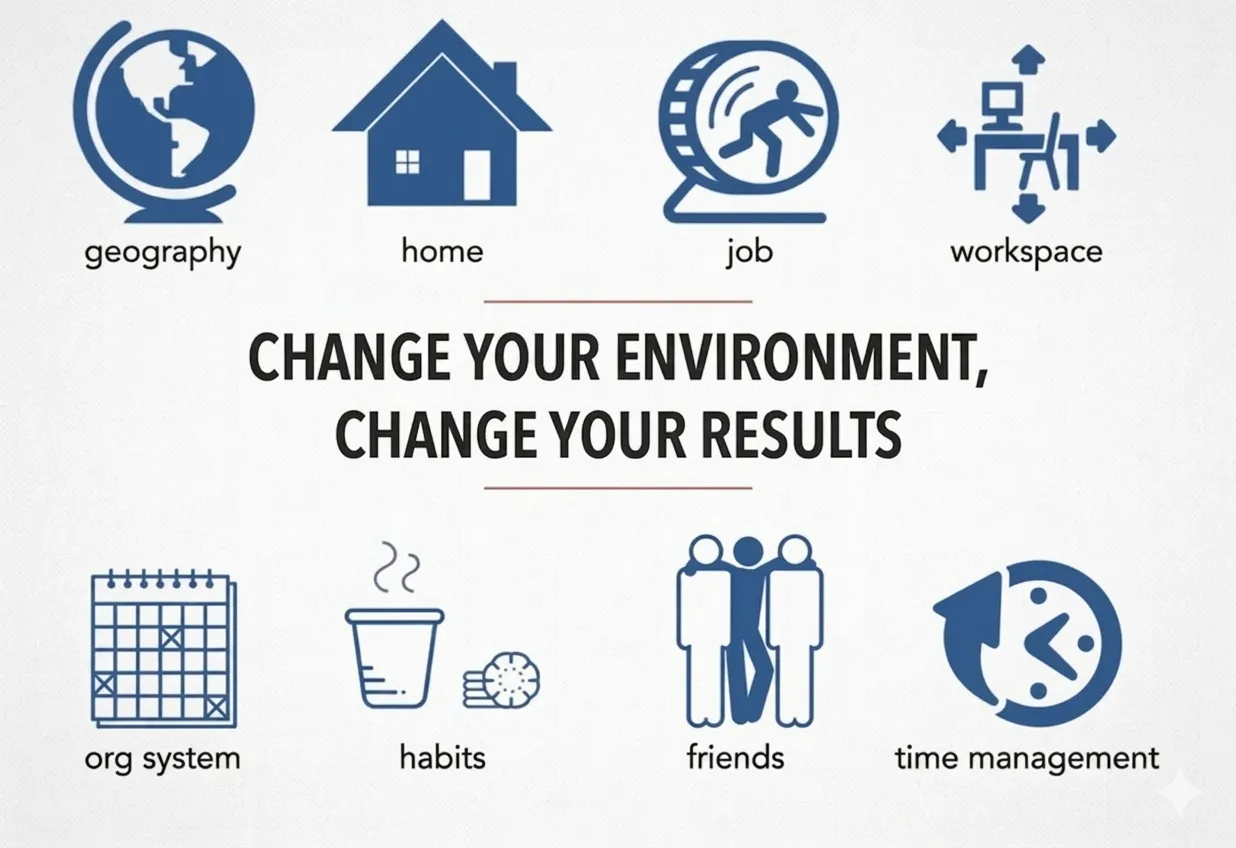
Each training environment offers unique advantages and challenges. Understanding these differences can help you choose what works best for you.
Gym Training: Structure and Variety
Training in a gym provides access to a wide range of equipment, making it easier to target different muscle groups and avoid plateaus. The structured atmosphere also encourages discipline and consistency.
Additionally, being surrounded by others creates a sense of accountability, which can push you to train harder and stay committed.
Home Training: Flexibility and Comfort
Home workouts offer unmatched convenience. You can train anytime without commuting, making it easier to stick to a routine.
You also have full control over your environment, from lighting to music. However, the biggest challenge is staying motivated without external accountability. Building strong habits and minimizing distractions are key to success at home.
Outdoor Training: Energy and Mental Benefits
Outdoor workouts provide a refreshing change of scenery. Training in nature has been shown to reduce stress, improve mood, and enhance mental clarity.
Natural terrain also challenges your body in different ways, improving balance and functional strength. However, outdoor training can be affected by weather conditions, which may limit consistency.
Does Your Environment Affect Your Results?
The short answer is yes. Your training environment directly impacts:
- Performance: Comfortable and well-designed spaces improve efficiency
- Motivation: Engaging environments help you stay consistent
- Focus: Fewer distractions lead to better workouts
- Recovery: Proper conditions support physical and mental recovery
Even small changes—like better lighting or less noise—can make a noticeable difference in your results.
How to Create the Ideal Training Environment
No matter where you train, optimizing your environment can help you get better results.
Make It Comfortable and Functional
Choose a space that feels motivating, well-lit, and free from unnecessary distractions.
Set Up a Dedicated Workout Area
If you train at home, create a specific area for exercise. This helps your brain associate that space with focus and productivity.
Use Music and Atmosphere to Your Advantage
Play music that energizes you or helps you concentrate. Adjust your environment to match your training style.
Leverage Social Motivation
If you struggle with consistency, consider group training or gym sessions. The presence of others can boost accountability and performance.
Adapt to Your Preferences
Some people perform best in quiet spaces, while others need energy and noise. Pay attention to what works for you and adjust accordingly.
Final Thoughts
Your training environment is more than just a place—it’s a powerful tool that can shape your fitness journey. The right environment can boost motivation, improve focus, and enhance overall performance.
Whether you prefer the structure of a gym, the convenience of home workouts, or the energy of outdoor training, the key is to create a space that supports your goals and keeps you consistent.
Take Your Training to the Next Level
If you want to maximize your results, tracking your progress is just as important as optimizing your environment. Using a workout tracking tool can help you stay accountable, monitor improvements, and stay motivated over time.
Start building not just better workouts—but a better environment for success.
Leave a Reply