When people think about exercise, they often focus on physical benefits like weight loss or muscle gain. However, one of the most powerful effects of regular physical activity happens inside your head. Exercise plays a crucial role in improving brain function, memory, mood, and long-term mental health.
In this SEO-optimized blog, we’ll explore how exercise affects your brain and why staying active is one of the best things you can do for your mind.
Table of Contents
ToggleExercise Improves Focus and Attention
Have you ever noticed that you feel more alert after a workout? That’s not a coincidence.
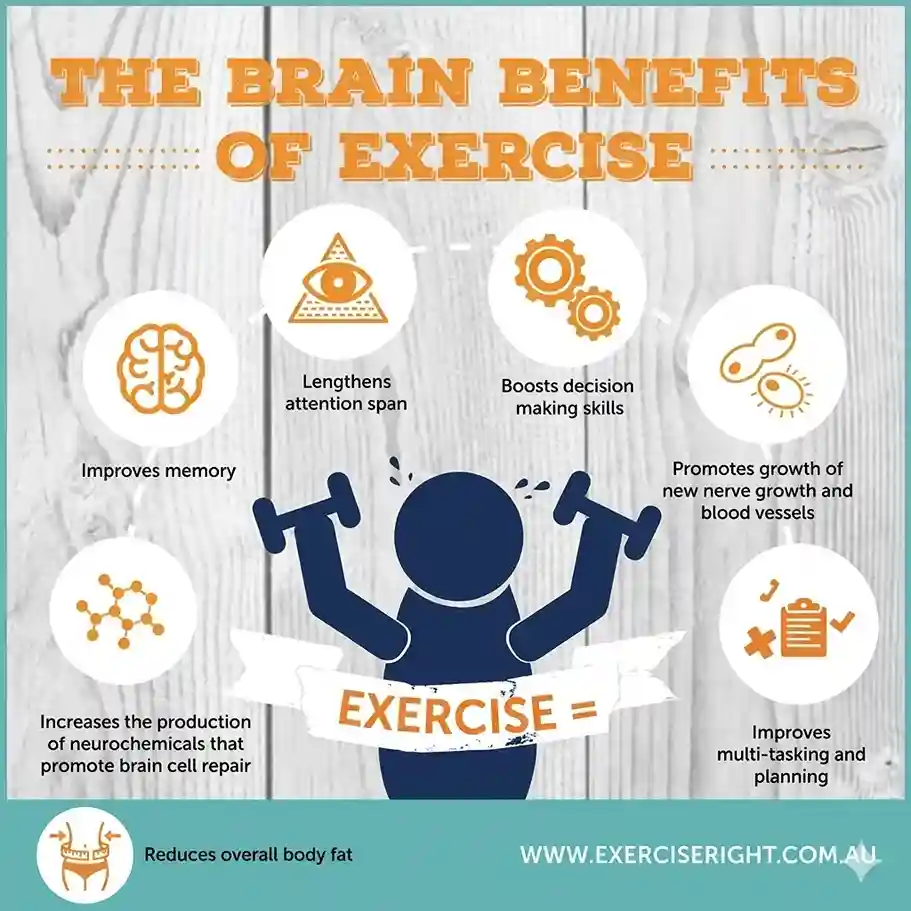
High-intensity exercise can increase your brain’s ability to focus and pay attention. This is linked to changes in brain activity, helping you stay sharp and productive. While lighter activities like walking still offer benefits, more intense workouts tend to have a stronger impact on attention levels.
If you struggle with concentration, adding regular exercise to your routine can make a noticeable difference.
Exercise Boosts Memory and Learning
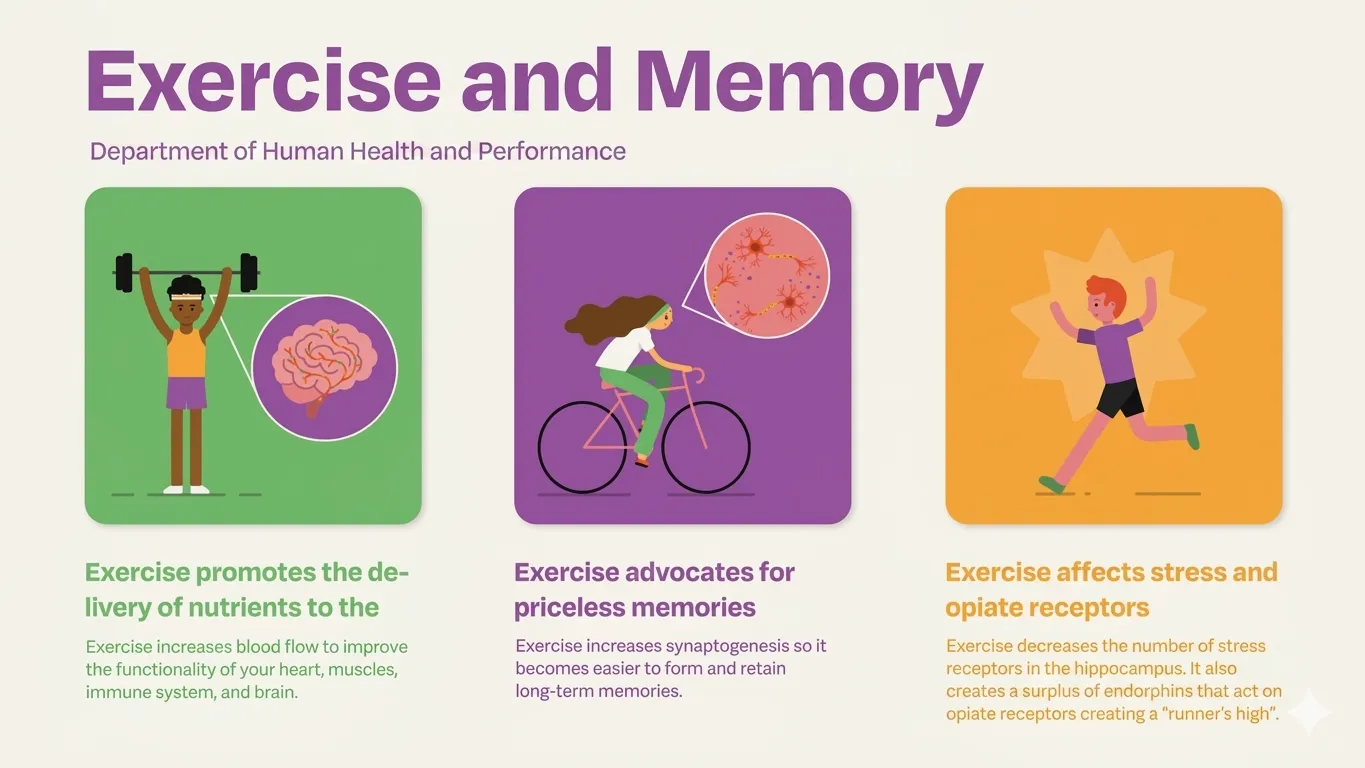
One of the most important brain areas affected by exercise is the hippocampus, which is responsible for memory and learning.
Aerobic activities such as walking, jogging, or even gardening can:
- Stimulate the growth of new brain cells
- Improve memory retention
- Slow age-related memory decline
Interestingly, studies suggest that you get even better results when you enjoy the activity you’re doing. So, finding a form of exercise you love is key to long-term brain health.
Exercise Reduces Depression and Anxiety
Exercise is not just good for your body—it’s a powerful tool for mental health.
Regular physical activity can help reduce symptoms of:
- Depression
- Anxiety
- Stress
In fact, many healthcare professionals recommend exercise as part of a treatment plan for mental health conditions. Exercise helps protect brain cells and supports emotional balance, although consistent effort over time is needed to see full benefits.
It Enhances Brain Flexibility (Neuroplasticity)
Your brain has an amazing ability called neuroplasticity, which allows it to adapt, learn, and grow.
Both aerobic exercise and strength training can improve this ability, helping your brain:
- Learn new skills faster
- Adapt to changes more easily
- Build stronger neural connections
This means exercise doesn’t just keep your brain healthy—it makes it more efficient and adaptable.
Exercise May Help Prevent Dementia
A sedentary lifestyle is linked to a higher risk of conditions like Alzheimer’s disease and other forms of dementia.
Exercise helps reduce this risk in two major ways:
- It lowers risk factors like obesity, diabetes, and high blood pressure
- It directly improves brain structure and health
Active individuals tend to have more healthy brain tissue and fewer signs of degeneration, making exercise a key habit for long-term cognitive health.
It Improves Blood Flow to the Brain
Exercise strengthens your heart and blood vessels, improving circulation throughout your body—including your brain.
Better blood flow means:
- More oxygen and nutrients reach brain cells
- Reduced risk of plaque buildup مرتبط with cognitive decline
- Slower mental aging
Healthy circulation is essential for maintaining brain performance over time.
Exercise Enhances Decision-Making and Thinking Skills
Physical activity improves what scientists call executive function—your ability to:
- Organize information
- Make decisions
- Solve problems
- Stay focused on tasks
Even a single workout session can start improving these abilities. Over time, exercise strengthens connections in the brain, making it easier to process and respond to information effectively.
It Helps You Sleep Better
Exercise plays a key role in improving sleep quality.
People who exercise regularly tend to experience:
- Deeper sleep (slow-wave sleep)
- Better sleep cycles
- Easier relaxation at night
Quality sleep is essential for brain recovery, memory consolidation, and overall mental performance.
How Much Exercise Do You Need?
To experience brain benefits, experts recommend:
- At least 30 minutes of moderate exercise most days of the week
However, longer sessions—around 45 to 60 minutes—may provide even greater cognitive benefits.
The key is consistency. Regular activity over time delivers the best results for both your brain and body.
Final Thoughts
Exercise is one of the most effective ways to support brain health. From improving memory and focus to reducing stress and lowering the risk of cognitive decline, the benefits are both immediate and long-lasting.
The best part? You don’t need a complicated routine. Simple activities like walking, jogging, or cycling can already make a big difference.
If you want to think clearer, feel better, and protect your brain for the future, start moving today.
Leave a Reply