Starting fresh with your fitness routine can be one of the most powerful decisions you make for your health and lifestyle. Whether it’s the beginning of a new year or simply a new phase in your life, creating a workout routine that actually works for you is key to long-term success.
Instead of following trends or copying someone else’s plan, the goal is to build a routine that fits your body, schedule, and personal goals. In this SEO-optimized blog, you’ll learn how to design a workout plan that is effective, sustainable, and tailored to your needs.
Define Your Fitness Goals First
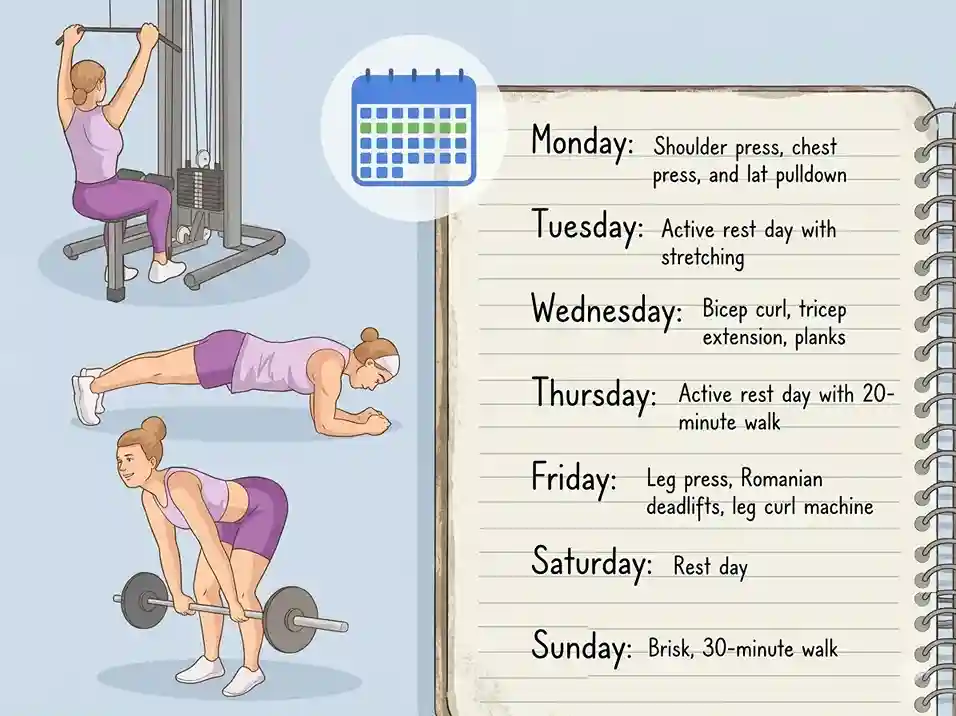
Before you begin, ask yourself: What do I want to achieve?
Your goals might include:
- Improving overall health
- Building muscle
- Increasing endurance
- Losing weight
Having a clear goal helps you stay motivated and allows you to create a structured and purposeful workout plan. Without direction, it’s easy to lose consistency.
Focus on Quality Over Quantity
One of the biggest mistakes people make is believing that longer workouts always lead to better results. In reality, quality matters more than duration.
For example, high-intensity interval training (HIIT) can deliver excellent results in a short amount of time. These workouts combine short bursts of intense effort with quick recovery periods, making them efficient and effective.
However, balance is important. High-intensity workouts should not be overused—limit them to a few sessions per week to avoid burnout or injury.
Don’t Skip Stretching and Core Training
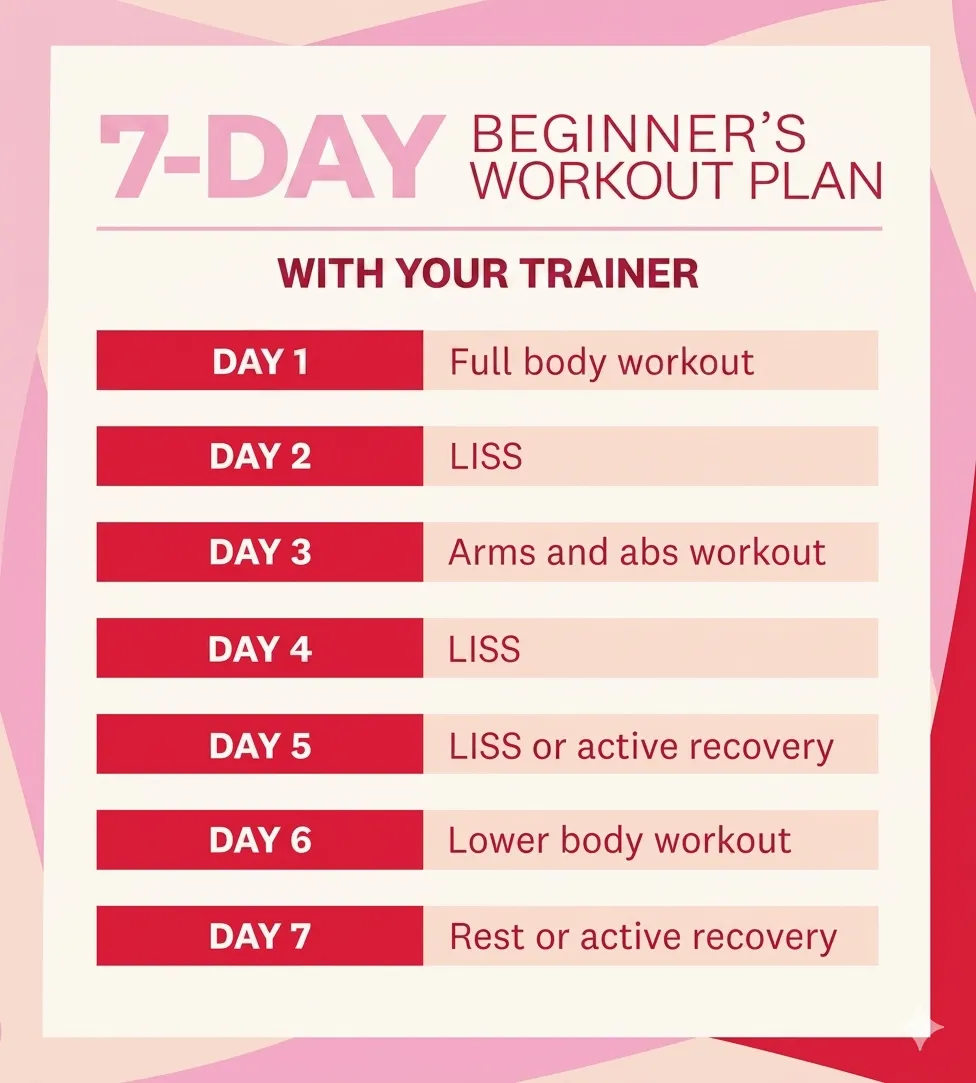
A well-rounded workout routine should always include stretching and core exercises.
Stretching helps:
- Improve flexibility
- Increase blood circulation
- Reduce injury risk
Meanwhile, your core muscles—located in your abdomen, pelvis, and back—are essential for stability and movement. Strengthening your core supports almost every activity you do, both in and out of the gym.
Choose exercises that match your ability level, or consider working with a professional trainer to ensure proper technique.
Prioritize Sleep for Better Results
Sleep is one of the most underrated aspects of fitness.
When you sleep, your body enters a recovery phase where it:
- Repairs muscle tissue
- Builds strength
- Restores energy
Without enough sleep, your progress will slow down no matter how hard you train. Aim to make sleep a priority if you want to improve performance, recovery, and overall health.
Listen to Your Body
The phrase “no pain, no gain” can be misleading.
While some discomfort is normal during exercise, pain is a warning sign. If you feel pain, it’s important to:
- Stop and reassess
- Adjust your intensity
- Rest if needed
- Seek professional advice if necessary
Also, if you feel overly fatigued or unwell, taking a break is the smarter choice. Rest is part of progress, not a setback.
Progress Gradually and Stay Consistent
A successful workout routine is built over time, not overnight.
A helpful guideline is the 10% rule:
Increase your workout intensity, duration, or weight by no more than 10% per week.
This gradual progression helps prevent injuries and allows your body to adapt safely. Trying to do too much too quickly often leads to setbacks.
Include Functional Exercises
Functional exercises mimic real-life movements and improve overall strength and coordination.
Examples include:
- Squats
- Planks
- Step-ups
These exercises train multiple muscle groups and help your body move more efficiently in everyday activities. They also reduce the risk of muscle imbalances and injuries.
Optimize Your Nutrition and Hydration
Your workout routine is only as effective as the fuel you provide your body.
A balanced diet should include:
- Protein for muscle repair
- Carbohydrates for energy
- Healthy fats for overall health
Hydration is equally important. Drinking enough water before, during, and after exercise supports performance and recovery.
Since nutritional needs vary from person to person, consider seeking advice from a healthcare professional or dietitian for personalized guidance.
Turn Exercise Into a Lifestyle Habit
The key to long-term success is consistency. Exercise should not feel like a temporary task—it should become part of your daily routine.
Here’s how to make it stick:
- Schedule workouts at the same time each day
- Track your progress to stay motivated
- Make workouts enjoyable
- Exercise with a friend for accountability
- Prepare alternatives for busy days or bad weather
Adding variety to your routine can also keep things interesting and help you stay engaged.
Reward Your Progress
Celebrating small wins is essential for maintaining motivation.
Whether it’s completing a week of workouts or reaching a new milestone, reward yourself. This reinforces positive habits and makes your fitness journey more enjoyable.
Final Thoughts
Creating a workout routine that works for you is not about perfection—it’s about consistency, balance, and personalization.
Focus on your goals, listen to your body, and build habits that fit your lifestyle. With the right approach, exercise becomes more than just a routine—it becomes a sustainable and rewarding part of your life.
Start small, stay consistent, and enjoy the journey toward a healthier, stronger you.
Leave a Reply