Achieving and maintaining a healthy weight isn’t about strict dieting or cutting out entire food groups. Instead, it’s about choosing nutrient-dense foods that keep you full, energized, and satisfied. When combined with regular exercise and a balanced lifestyle, the right foods can support long-term success.
In this SEO-optimized blog, we’ll explore 16 of the best foods for weight management and how they can help you build a healthier, more sustainable eating plan.
Why Food Choice Matters for Weight Loss
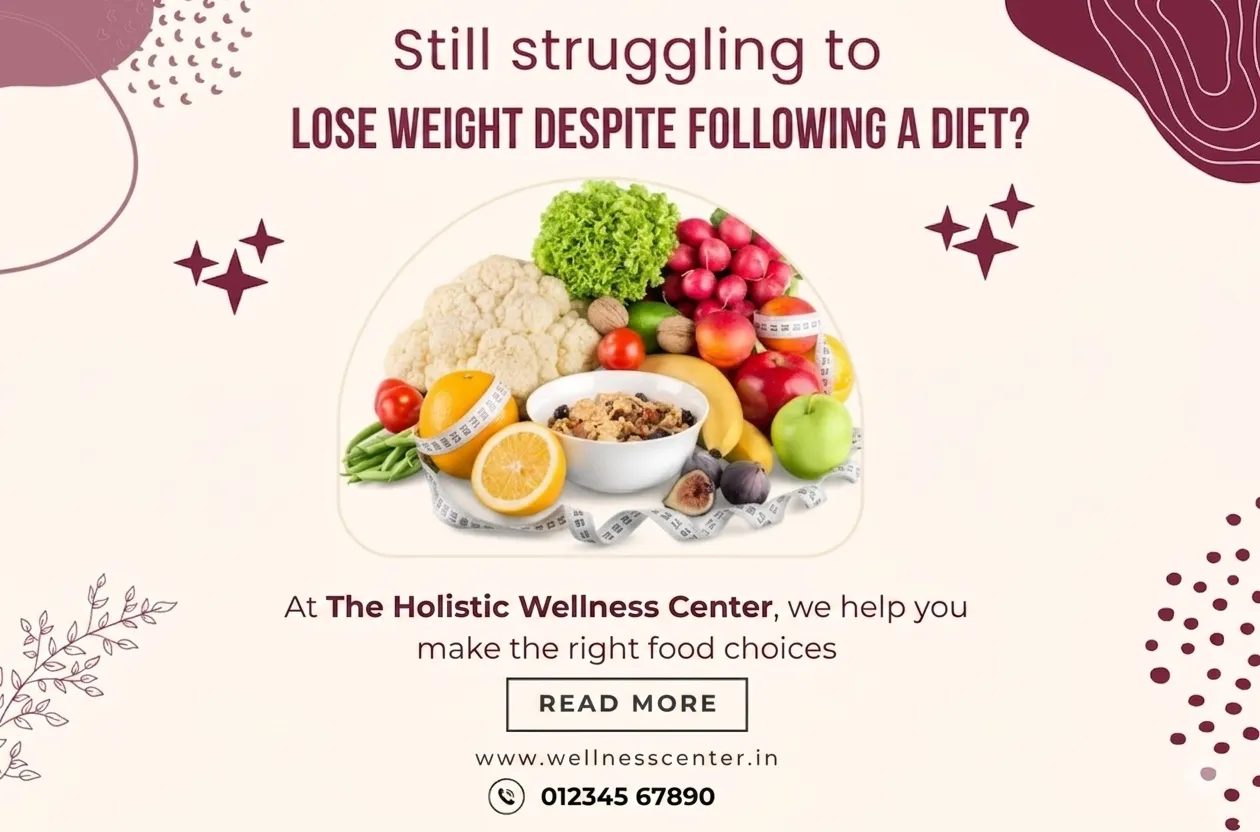
Weight management ultimately comes down to a simple principle: burning more calories than you consume. However, not all calories are equal.
Foods rich in protein, fiber, and healthy fats can:
- Keep you full longer
- Reduce cravings
- Support metabolism
- Improve overall health
Choosing the right foods makes it easier to maintain a calorie deficit without feeling deprived.
1. Eggs
Eggs are packed with protein and healthy fats, making them incredibly filling. Starting your day with eggs can help reduce hunger and keep you satisfied for hours.
2. Leafy Greens
Vegetables like spinach, kale, and lettuce are low in calories but high in fiber and nutrients. They help you feel full while keeping your calorie intake low.
3. Fish
Fish provides high-quality protein and healthy fats, especially omega-3s. It also supports metabolism and keeps you feeling satisfied after meals.
4. Cruciferous Vegetables
Broccoli, cauliflower, and cabbage are excellent for weight loss. They are rich in fiber, low in calories, and highly filling.
5. Lean Meats
Skinless chicken breast and lean cuts of beef are high in protein and low in fat. Protein helps maintain muscle mass and boosts satiety.
6. Potatoes and Root Vegetables
Boiled or baked potatoes can be surprisingly filling. When cooled after cooking, they form resistant starch, which may support weight management.
7. Beans and Legumes
Lentils, black beans, and chickpeas are rich in both protein and fiber. This powerful combination helps control hunger and stabilize energy levels.
8. Soups
Broth-based soups can help you feel full before a meal, leading to reduced calorie intake. They also encourage slower, more mindful eating.
9. Cottage Cheese
Cottage cheese is high in protein and calcium, making it a great option for supporting muscle maintenance and satiety.
10. Avocados
Avocados are rich in healthy fats, fiber, and essential nutrients. While they are calorie-dense, they help keep you full—just be mindful of portion sizes.
11. Nuts
Nuts provide healthy fats, protein, and fiber. They can improve metabolic health, but moderation is key due to their high calorie content.
12. Whole Grains
Whole grains like oats, brown rice, and quinoa are more filling than refined grains. Their fiber content helps regulate digestion and appetite.
13. Chili Peppers
Chili peppers contain capsaicin, which may boost metabolism and increase feelings of fullness, supporting weight management.
14. Fruits
Fruits are naturally sweet, low in calories, and rich in fiber and vitamins. They help satisfy cravings while supporting overall health.
15. Chia Seeds
Chia seeds are loaded with fiber and omega-3 fatty acids. They absorb water and expand in your stomach, helping you feel full longer.
16. Greek Yogurt
Greek yogurt is high in protein and contains beneficial probiotics that support gut health. It’s a great snack or meal addition for weight management.
Foods to Focus On for Healthy Weight Loss
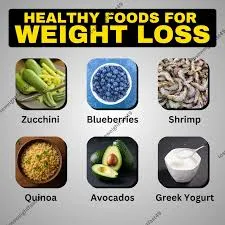
To build a sustainable diet, prioritize:
- Whole, minimally processed foods
- High-protein options
- Fiber-rich vegetables and grains
- Healthy fats in moderation
Avoid relying heavily on foods high in added sugars, refined carbs, and unhealthy fats.
Common Questions About Weight Loss Foods
What foods help with weight loss?
Foods high in protein and fiber—like vegetables, fruits, legumes, and lean meats—are the most effective for managing hunger and supporting weight loss.
Do certain foods burn belly fat?
No single food can target belly fat specifically. However, a high-fiber, balanced diet can help reduce overall body fat when combined with a calorie deficit.
What is the best diet for weight loss?
There is no one-size-fits-all diet. The best approach is a balanced, sustainable eating plan that you can maintain long-term.
Final Thoughts
There’s no “magic” food for weight loss, but choosing the right combination of nutrient-rich foods can make your journey much easier and more enjoyable.
Focus on whole foods like lean proteins, vegetables, fruits, nuts, and legumes. Pair this with regular physical activity and consistent habits, and you’ll be on the right path to achieving and maintaining a healthy weight.
Remember, it’s not about perfection—it’s about building a lifestyle that supports your health for the long run.
Leave a Reply