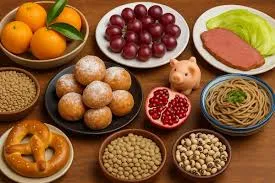
Why do so many cultures believe certain foods bring luck, wealth, health, or a fresh start? From lentils at New Year’s tables to round cornbread in the American South, food has long carried symbolic meaning far beyond nutrition.
But where do these traditions come from—and do they still matter today?
Let’s explore the fascinating story behind lucky foods and their cultural symbolism.
The Idea of “Luck” and Why Humans Love Symbols
Across history, people have used food to represent what they hope for in life: prosperity, health, love, and longevity.
At celebrations, food becomes more than nourishment—it becomes a ritual of hope.
Ancient Roman mythology even reflects this idea. Janus, the two-faced god after whom January is named, could look both forward and backward—but not “in the present.” Ironically, it is through shared meals and celebrations that humans often experience the now: moments of connection, joy, and presence.
Why Food Becomes a Symbol of Luck
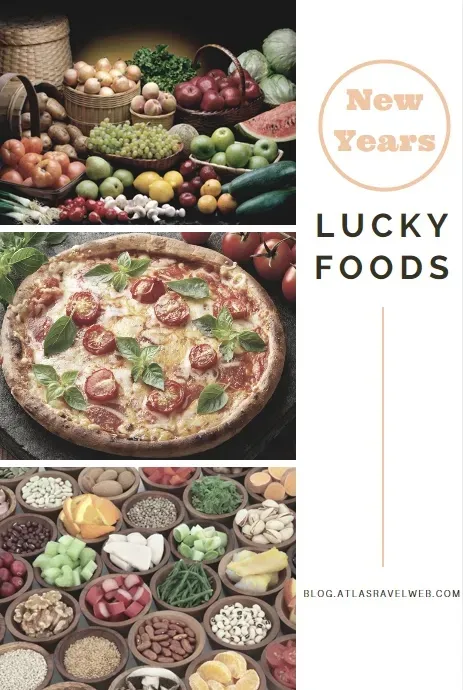
Food is universal, emotional, and deeply tied to culture. That makes it the perfect symbol for abstract ideas like luck.
Across cultures, “lucky foods” often share common meanings:
- Wealth
- Health
- Longevity
- New beginnings
But interestingly, these meanings often come from simple physical traits like shape, color, or growth patterns.
Lucky Legumes: Beans, Lentils, and New Beginnings
One of the most widespread symbols of luck is the humble legume.
From ancient Rome to modern-day traditions in the American South, beans and lentils are considered lucky for several reasons:
- Their shape resembles coins, symbolizing wealth
- They are seeds, representing growth and new life
- They are small, abundant, and nourishing—signs of prosperity
Black-eyed peas, lentils, and other pulses often appear in New Year meals as a way of “inviting abundance” into the year ahead.
Green Foods and the Symbol of Wealth
Leafy greens like kale, collard greens, and spinach are also seen as lucky in many cultures.
Why? Because they resemble folded money.
In particular, American Southern food traditions associate greens with financial prosperity. The symbolism is simple but powerful: more greens = more money.
Even herbs like mint sometimes appear as playful references to freshness, wealth, and renewal.
Golden Foods: Why Yellow Means Prosperity
In many cultures, gold-colored foods symbolize wealth and good fortune.
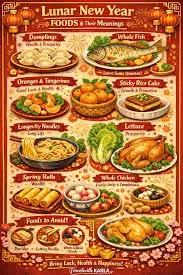
At Chinese New Year celebrations, for example, oranges and pomelos are often displayed in abundance. Their bright color represents gold, prosperity, and success.
Similarly, in some cultures:
- Cornbread represents golden wealth
- Yellow grains symbolize harvest and abundance
Gold is universally associated with richness—so naturally, golden foods carry the same meaning.
Round Foods: The Shape of Wholeness and Cycles
Perhaps the most powerful symbol of all is roundness.
Round foods—like beans, fruits, cornbread, and cakes—represent:
- Completeness
- Cycles of life
- Eternity
- Continuity and renewal
Just like wedding rings, circular foods symbolize something that never ends. They are often eaten at New Year celebrations to represent a full, complete, and fortunate year ahead.
Sweet Foods and the Wish for a Sweet Year
Sweet foods also carry deep symbolic meaning across cultures.
Examples include:
- Honey cakes at Jewish New Year (Rosh Hashanah)
- Sugared fruits in European traditions
- Sweet rice desserts in Asian celebrations
The message is simple: a sweet beginning leads to a sweet year.
Long Foods and the Wish for Longevity
In Chinese tradition, long noodles are eaten during celebrations to symbolize long life.
The ritual is meaningful: the noodles must be eaten whole and uncut to preserve the symbolism of an unbroken, long life.
It is a beautiful example of how food becomes storytelling.
Do Lucky Foods Actually Bring Luck?
From a scientific point of view, food does not control destiny. But culturally and psychologically, lucky foods play an important role:
- They bring people together
- They create rituals and shared meaning
- They encourage optimism and intention
As physicist Niels Bohr once joked about a horseshoe for luck:
“Of course I don’t believe it… but I am told it works whether you believe it or not.”
Final Thoughts: More Than Just Food
Lucky foods are not really about superstition—they are about hope, tradition, and human connection.
Whether it’s beans for wealth, greens for prosperity, or round cakes for wholeness, these foods remind us of something simple but powerful:
Food is never just food. It is meaning, memory, and celebration on a plate.
Leave a Reply