Food fusion has emerged as a global culinary trend, blending ingredients, techniques, and traditions from different cultures to create unique and flavorful dishes. More than just combining cuisines, food fusion is an art form that respects tradition while embracing innovation, offering diners both comfort and novelty. From Korean BBQ tacos to sushi burritos, this creative approach transforms everyday meals into unforgettable experiences. At Amanaki Saigon Boutique Hotel, guests can savor carefully crafted fusion cuisine that highlights the richness of global flavors, making it a must-visit destination for food lovers seeking authentic yet inventive dining.
What Makes Fusion Food So Appealing?
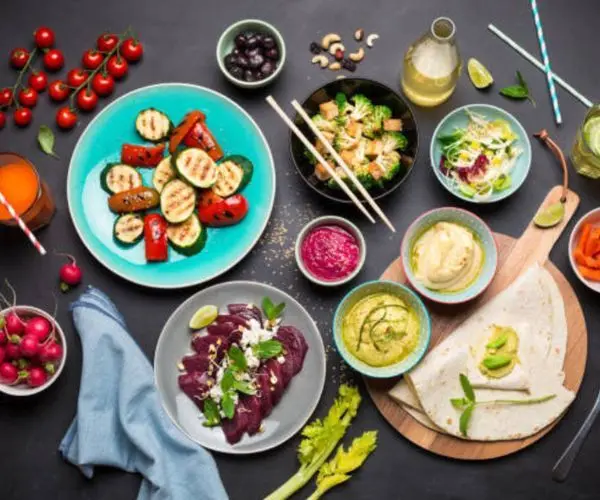
The allure of fusion cuisine lies in its ability to combine familiarity and adventure. By blending traditional flavors with unexpected ingredients, fusion dishes provide exciting culinary experiences that appeal to both conservative and curious palates.
Food fusion also reflects modern multicultural lifestyles, often telling stories of cultural exchange and migration. This emotional and cultural resonance transforms a meal into more than just food—it becomes an experience.
Accessibility is another factor in its popularity. By incorporating recognizable elements from popular cuisines, fusion dishes encourage diners to explore new flavors confidently. In today’s social media era, visually appealing, colorful dishes—especially in Asian fusion cuisine—also make a strong impression, offering Instagram-worthy meals for a wide audience.
Crafting the Perfect Fusion Food Menu
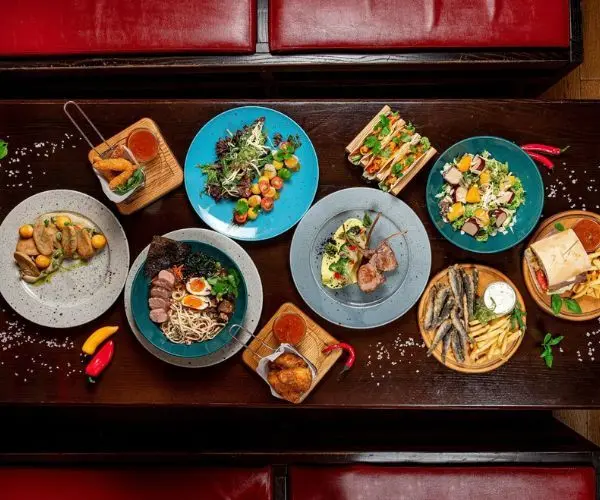
Creating a fusion menu requires culinary expertise, creativity, and cultural sensitivity. Chefs act as both artists and cultural ambassadors, blending flavors, techniques, and presentations from diverse cuisines in a harmonious way.
Popular examples include:
- Sushi Burritos: Combining Japanese sushi with the convenience and hearty portions of Mexican burritos. These handheld meals include sushi-grade fish, seasoned rice, vegetables, and nori, appealing to both sushi and burrito lovers.
- Korean BBQ Tacos: Korean-marinated meats served in Mexican corn tortillas with kimchi, gochujang, and pickled vegetables, balancing umami-rich flavors with fresh, bright elements.
- Pad Thai Pizza: A creative twist on pizza, topped with pad Thai-inspired ingredients such as bean sprouts, peanuts, lime, and proteins like shrimp or chicken.
- Asian BBQ Ribs: Traditional barbecue methods enhanced with Asian-inspired sauces using soy, mirin, ginger, five-spice powder, and chili paste.
Developing a successful fusion menu also requires attention to ingredient sourcing, seasonality, kitchen capabilities, and staff training. Sharing the cultural stories behind dishes enriches the dining experience, engaging customers on multiple levels.
The Rise of Fusion Food Restaurants
The global surge of fusion restaurants reflects urban diversity, international travel, and evolving dining preferences. Cities like New York, London, Singapore, Bangkok, and Hong Kong are now hubs for innovative fusion cuisine.
- New York City: Immigrant communities combine traditional recipes with local ingredients, creating authentic yet inventive dishes.
- London: British, Indian, and Caribbean influences merge to create multicultural culinary experiences.
- Southeast Asia: Cultural interaction over generations has naturally produced unique fusion offerings.
Fusion restaurants succeed across formats—from casual dining introducing new flavors through familiar dishes, to fine dining emphasizing presentation and storytelling, and fast-casual spots offering customizable, affordable fusion meals.
Why Fusion Food is a Culinary Art
Fusion cooking is more than a trend; it is a refined art form requiring creativity, technical skill, and cultural understanding. Successful chefs balance flavors, textures, and techniques from multiple cuisines while respecting the origins of each.
The rise of Asian fusion cuisine exemplifies this approach, where chefs experiment with spices, proteins, and plating styles, blending comfort food with high-end ingredients to create accessible yet innovative dishes. Continuous experimentation and collaboration with cultural experts ensure authenticity and keep menus fresh and engaging.
The Future of Food Fusion
Fusion cuisine is evolving rapidly, influenced by global connectivity, sustainability, and technological innovation. Emerging trends include:
- Plant-based fusion dishes: Combining vegetables, grains, and legumes from different culinary traditions for healthier, eco-conscious meals.
- New cultural intersections: Japanese-Peruvian, Thai-Mexican, and Vietnamese-Brazilian fusions are gaining popularity.
- African-European and Middle Eastern fusion: Bold flavors and seasonal ingredients blend with European technique, expanding the fusion landscape.
- Sustainability and health: Local ingredients meet global cooking techniques, reducing environmental impact while promoting nutrition and inclusivity.
Amanaki’s Fusion Philosophy: Global Flavors, Local Ingredients
At Amanaki Hotels, food fusion reflects a commitment to cultural hospitality and sustainability. By combining Vietnamese ingredients with international techniques, Amanaki celebrates both heritage and innovation.
The Art of Vietnamese Fusion
At Núc Concept Kitchen & Bar, traditional Vietnamese methods meet global styles, creating refined Asian fusion dishes. Signature techniques include:
- Vietnamese herbs in dishes like lemongrass risotto or five-spice duck confit
- Local produce for modern creations like dragon fruit desserts or sweet potato gnocchi
- Fermented ingredients enriching European sauces and dressings
- Seasonal fruits in desserts like jackfruit tarte tatin and coconut panna cotta
Cultural Bridge Through Cuisine
Amanaki’s chefs use storytelling, menu descriptions, and cooking classes to introduce guests to Vietnamese flavors, making each meal a cultural journey. This approach emphasizes authenticity, ethical sourcing, and sustainability, providing a dining experience that delights and educates.
Conclusion
Food fusion has evolved from a novelty into a vital part of the global culinary scene, reflecting our connected world through creative, flavorful, and culturally rich dishes. The success of fusion cuisine relies on skill, cultural respect, historical insight, and innovation.
As fusion continues to grow, it will focus on sustainability, health, and inclusivity while offering exciting and diverse dining experiences. From Asian fusion to emerging cross-cultural innovations, food fusion is more than just a meal-it is a celebration of global culture on a plate.
Meta Description (SEO-ready):
Discover the art of food fusion and explore how blending flavors and cultures creates innovative, delicious, and culturally rich dishes. Learn about trends, examples, and Amanaki’s unique approach to fusion cuisine.
Leave a Reply