When it comes to improving athletic performance, most people focus on training harder, eating better, and pushing limits. But there’s one powerful factor often overlooked: sleep. Whether you’re a professional athlete or simply enjoy staying active, quality sleep plays a crucial role in recovery, performance, and overall health.
In this article, we’ll explore how sleep impacts athletic performance, why it’s essential for recovery, and how you can optimize your sleep for better results.
Table of Contents
ToggleWhy Sleep Is Essential for Athletes

Sleep is not just about rest—it’s a biological process that allows your body to repair, recover, and prepare for the next day. During sleep, your body undergoes critical functions that directly support athletic performance.
Physically, sleep helps:
- Repair muscles, tissues, and cells after intense workouts
- Support cardiovascular health through regulated heart rate and breathing
- Strengthen the immune system by producing infection-fighting hormones
For athletes, these benefits are especially important. Without proper recovery, the body cannot adapt to training, which limits progress and increases the risk of injury.
The Role of Sleep in Mental Performance
Athletic success isn’t just physical—it’s mental too. Sleep plays a key role in cognitive function, which includes focus, reaction time, and decision-making.
When you sleep, your brain processes and stores information learned during the day. This is particularly important for athletes learning new techniques or refining skills. Without enough sleep, your brain struggles to form and retain these memories.
Lack of sleep can lead to:
- Slower reaction times
- Poor decision-making
- Reduced concentration
- Increased irritability and stress
On the other hand, quality sleep improves mood, mental clarity, and overall confidence—giving athletes a competitive edge.
How Sleep Improves Athletic Performance
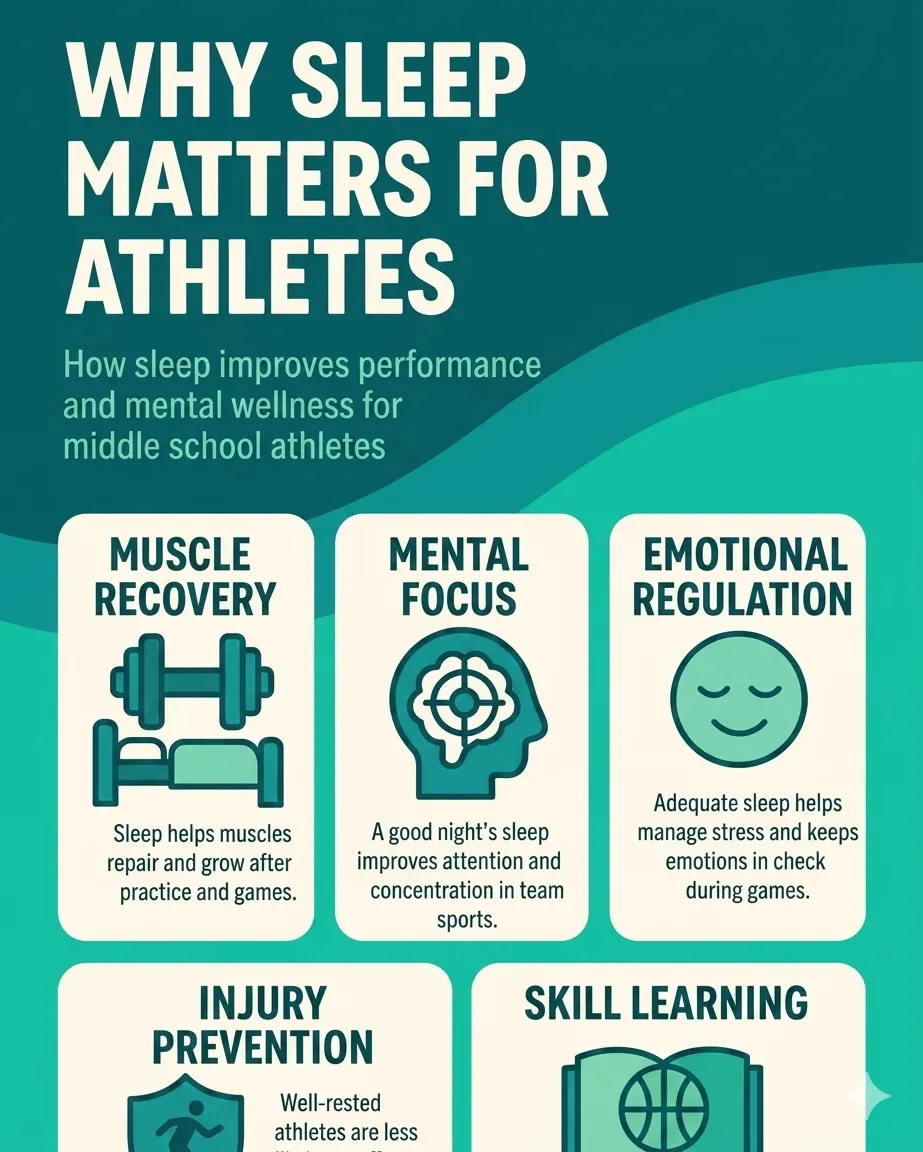
Research shows that both the quantity and quality of sleep can significantly enhance athletic performance.
Athletes who increase their sleep duration often experience:
- Faster sprint times
- Improved accuracy and coordination
- Better reaction speed
- Increased energy and reduced fatigue
For example, studies on basketball players, swimmers, and tennis players have demonstrated noticeable improvements in speed, accuracy, and overall performance after extending sleep to 9–10 hours per night.
This highlights a simple truth: better sleep leads to better performance.
The Negative Effects of Sleep Deprivation
Just as good sleep enhances performance, poor sleep can quickly undermine it. Sleep deprivation affects both the body and mind, leading to serious consequences for athletes.
Common effects of insufficient sleep include:
- Decreased endurance and faster exhaustion
- Reduced accuracy and coordination
- Slower reaction times
- Impaired learning and decision-making
- Increased risk of injury
- Weakened immune system
Over time, chronic sleep deprivation can also contribute to long-term health issues such as high blood pressure, diabetes, and mental health challenges.
How Much Sleep Do Athletes Need?
While the average adult needs around 7–9 hours of sleep per night, athletes often require more due to the physical demands of training.
- General guideline: 7–9 hours per night
- Elite athletes: 9+ hours per night
In some cases, athletes may benefit from:
- Short naps (under 60 minutes) to recover from sleep loss
- Extra sleep before competitions or travel
- Adjusting sleep schedules to match training demands
Prioritizing sleep as part of your training plan is just as important as workouts and nutrition.
Understanding Sleep Stages and Recovery
Sleep consists of multiple stages, including light sleep, deep sleep, and REM (rapid eye movement) sleep. Each stage plays a different role in recovery.
- Deep sleep is especially important for physical recovery, including muscle repair and growth
- REM sleep supports memory, learning, and cognitive function
Athletes who achieve more deep sleep often experience better recovery and improved performance outcomes.
Practical Sleep Hygiene Tips for Athletes
Improving your sleep doesn’t require drastic changes—small habits can make a big difference. Here are some effective sleep hygiene strategies:
Create an Ideal Sleep Environment
- Keep your bedroom cool, dark, and quiet
- Use your bed only for sleep and rest
Limit Stimulants Before Bed
- Avoid caffeine and alcohol in the evening
- Reduce screen time to minimize blue light exposure
Build a Relaxing Night Routine
- Read, stretch, or meditate before bed
- Maintain a consistent sleep schedule
Manage Training and Recovery
- Avoid overtraining and allow time for recovery
- Schedule workouts at times that don’t disrupt sleep
Use Naps Wisely
- Keep naps short (20–60 minutes)
- Avoid napping too late in the day
Managing Jet Lag and Travel Fatigue
For athletes who travel frequently, jet lag can disrupt sleep and performance. Crossing time zones can throw off your internal body clock, leading to fatigue and reduced focus.
To minimize the impact:
- Gradually adjust your sleep schedule before travel
- Stay hydrated and avoid alcohol during flights
- Align meals and sleep with your destination time zone
- Use eye masks and earplugs to improve sleep during travel
Proper preparation can help you adapt faster and maintain peak performance.
Final Thoughts: Sleep Is a Performance Tool
Sleep is not a luxury—it’s a critical component of athletic success. It supports recovery, enhances mental and physical performance, and reduces the risk of injury.
If you want to train smarter, perform better, and recover faster, start by improving your sleep habits. Treat sleep as part of your training routine, not something optional.
Because in the long run, the athletes who prioritize recovery are the ones who perform at their best.
Leave a Reply