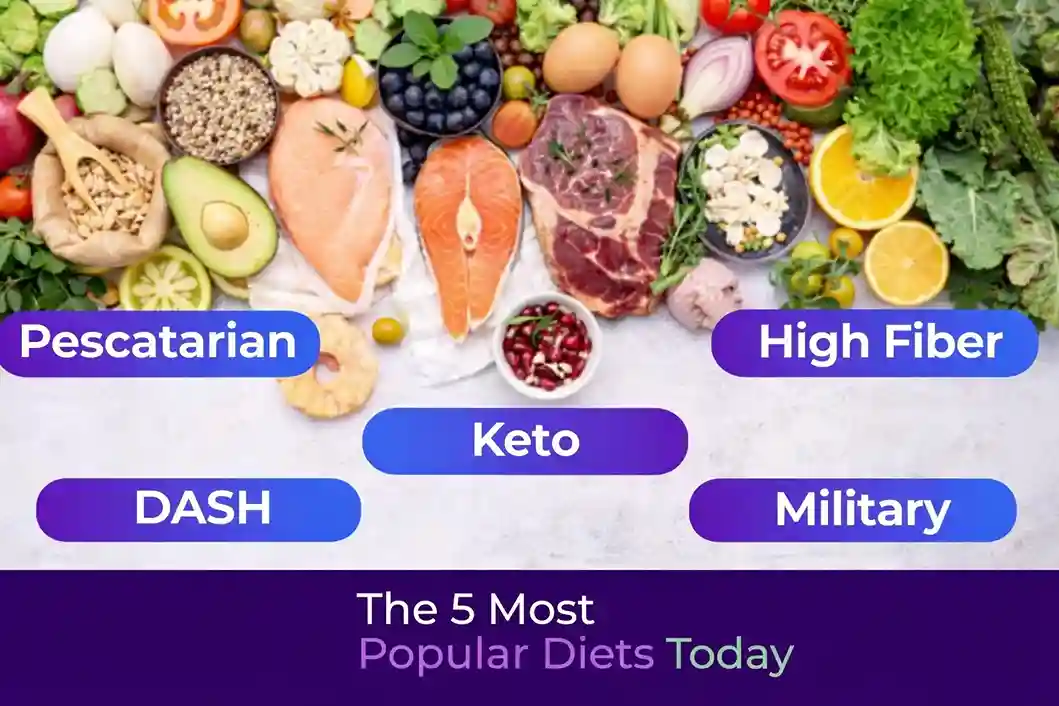
In today’s fast-paced world, many people are searching for quick and effective ways to lose weight. From low-carb plans to fasting routines, popular diets promise fast results-but are they truly sustainable and healthy in the long run?
In this SEO-optimized guide, we’ll explore the pros and cons of the most popular diets today, helping you make informed decisions about your health and weight-loss journey.
Why Popular Diets Attract So Much Attention
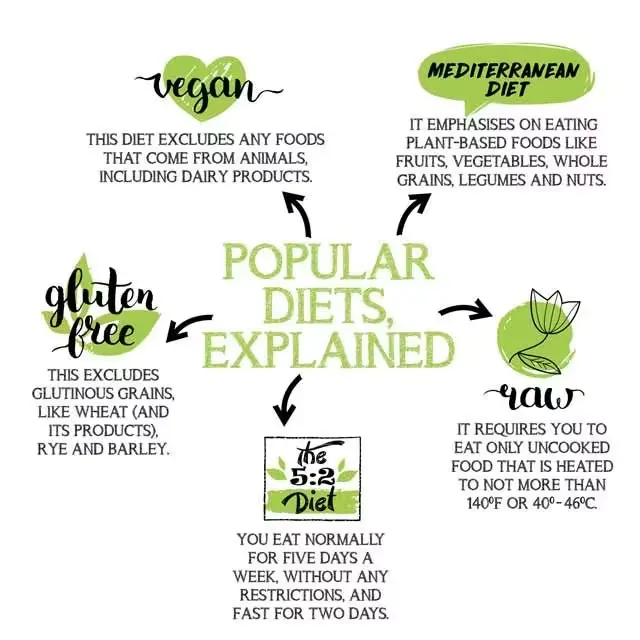
Over the past two decades, interest in rapid weight-loss diets-often called fad diets-has increased significantly. These diets typically share common characteristics:
- Promise quick and dramatic results
- Eliminate or heavily restrict certain food groups
- Offer minimal guidance on physical activity
- Focus on short-term outcomes instead of long-term habits
- Are difficult to maintain over time
While these diets can deliver fast results, experts agree that sustainable weight loss requires consistency, balanced nutrition, and realistic expectations.
Keto Diet (Ketogenic Diet)
The ketogenic diet is a high-fat, low-carbohydrate eating plan that forces the body to burn fat for energy by producing ketones.
Pros:
- Highly effective for short-term weight loss
- May help manage conditions like epilepsy
- Shows potential benefits for blood sugar control
Cons:
- Difficult to maintain long-term
- Restricts healthy foods like fruits and whole grains
- Can cause side effects such as headaches and digestive issues
- Limited long-term safety research
Intermittent Fasting
Intermittent fasting focuses on when you eat rather than what you eat. Common methods include fasting for certain hours each day or specific days each week.
Pros:
- Simple structure-no need for constant calorie counting
- May improve blood sugar, cholesterol, and blood pressure
- Can be easier for some people than traditional dieting
Cons:
- May lead to nutrient deficiencies if not planned carefully
- Hunger and low energy during fasting periods
- Long-term health effects are still unclear
Paleo Diet
Inspired by the eating habits of early humans, the paleo diet emphasizes whole, unprocessed foods like lean meats, fish, fruits, vegetables, and nuts.
Pros:
- Encourages whole, natural foods
- May support weight loss and appetite control
- Can improve certain heart health markers
Cons:
- Eliminates important food groups like dairy and whole grains
- Can be expensive and restrictive
- May lead to deficiencies in calcium and fiber
Atkins Diet
The Atkins diet is a low-carbohydrate plan that progresses through phases, gradually reintroducing carbs over time.
Pros:
- Effective for short-term weight loss
- Less restrictive than some low-fat diets
- Helps reduce sugar and refined carb intake
Cons:
- May reduce intake of essential nutrients
- Not proven effective for long-term weight loss
- Potential health risks with prolonged low-carb intake
Mediterranean Diet
The Mediterranean diet is based on traditional eating patterns from countries around the Mediterranean Sea. It emphasizes fruits, vegetables, whole grains, healthy fats, and lean proteins.
Pros:
- Strong scientific support for long-term health benefits
- Reduces risk of chronic diseases
- Balanced, flexible, and easier to maintain
- Focuses on overall lifestyle, not just weight loss
Cons:
- Can be costly due to ingredients like olive oil, fish, and nuts
- Requires portion control to avoid excess calorie intake
Which Diet Is Right for You?
There is no one-size-fits-all approach to dieting. The effectiveness of any diet depends on factors such as:
- Age and gender
- Physical activity level
- Lifestyle and habits
- Health conditions
- Personal preferences
Health experts emphasize that the best diet is one you can maintain consistently over time. Sustainability is far more important than rapid results.
The Importance of Sustainable Weight Loss
Quick weight-loss diets often lead to temporary success, but the weight usually returns once normal eating habits resume. This cycle can be frustrating and discouraging.
A healthier approach focuses on gradual, steady progress:
- Create a moderate calorie deficit
- Eat a balanced diet with all food groups
- Increase physical activity
- Build long-term habits
Losing about 1–2 pounds per week is considered safe and sustainable for most people.
Building a Healthy, Balanced Diet
A well-rounded diet should include:
- Fruits and vegetables
- Whole grains
- Lean proteins (fish, poultry, legumes, nuts)
- Low-fat or fat-free dairy
- Healthy fats in moderation
It’s also important to limit:
- Added sugars
- Sodium
- Saturated and trans fats
- Highly processed foods
Experts agree that no food group needs to be completely eliminated unless medically necessary.
Final Thoughts: Choose Progress Over Perfection
Popular diets can be helpful in certain situations, especially for short-term goals. However, long-term success comes from building habits you can maintain-not following extreme restrictions.
Instead of chasing quick fixes, focus on creating a lifestyle that supports your health, energy, and well-being.
Leave a Reply