Food cravings are a common experience-whether it’s a sudden urge for chocolate, salty snacks, or comfort food at night. But what really causes these cravings? Are they driven by hunger, nutrient deficiency, or something deeper in the mind?
In this article, we explore the psychology of food cravings, the effects of food deprivation, and what science reveals about dieting and eating behavior.
What Are Food Cravings?
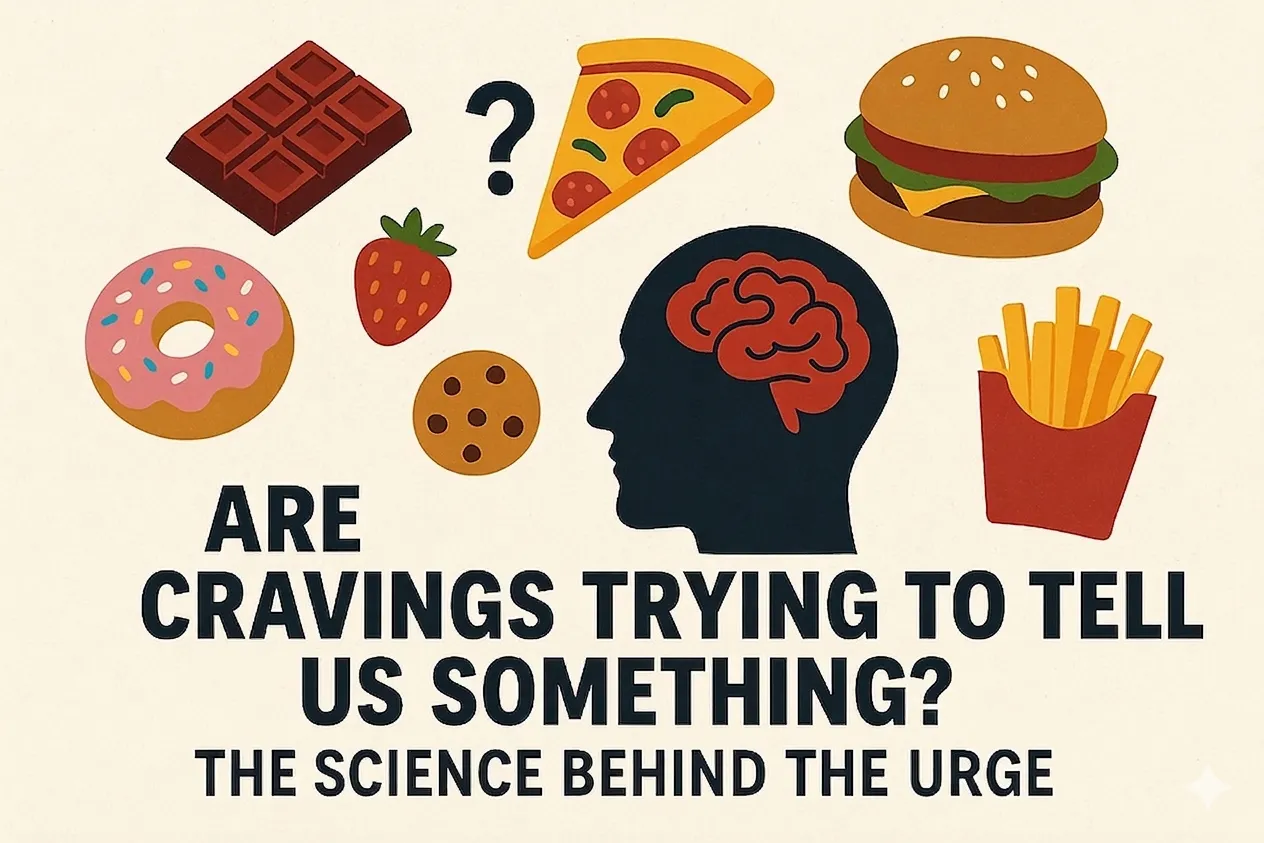
A food craving is an intense and specific desire to eat a particular type of food. Unlike general hunger, which can be satisfied by almost any meal, cravings are highly selective and often emotionally driven.
Cravings tend to appear suddenly and are most commonly directed toward high-calorie foods such as sweets, fast food, or processed snacks. Interestingly, they often occur later in the day, especially in the afternoon and evening.
It’s important to understand that cravings are not the same as hunger. You can feel full and still crave a specific food, which shows that cravings are influenced more by psychological factors than physical need.
Why Do We Experience Food Cravings?
Many people believe cravings are caused by a lack of nutrients, but research suggests that this explanation is limited. Instead, cravings are largely shaped by psychological and behavioral factors.
Conditioning and Habit
One of the strongest explanations for food cravings is conditioning. Over time, your brain learns to associate certain situations with specific foods.
For example, if you regularly snack while watching TV, your brain begins to link that activity with eating. Eventually, just sitting down to watch something can trigger a craving, even if you’re not hungry.
Emotional and Mental Triggers
Cravings are also influenced by your thoughts and emotions. Stress, boredom, and even positive memories can trigger the desire to eat certain foods.
According to psychological theories, a simple cue can lead to intrusive thoughts about food. These thoughts then become more vivid as you imagine the taste, smell, and satisfaction, making the craving stronger.
Brain and Body Responses
Food cravings are connected to the brain’s reward system. When you crave something, your brain activates areas associated with pleasure and motivation.
At the same time, your body may prepare for eating by increasing saliva production and focusing your attention on food-related cues.
Does Dieting Increase Food Cravings?
Dieting is often blamed for making cravings worse, but the reality is more complex.
Short-Term Food Restriction
Studies show that short-term restriction of specific foods-such as avoiding sweets or snacks-can actually increase cravings for those foods.
This happens because when something is labeled as “off-limits,” your brain tends to focus on it more. The restriction creates a sense of deprivation, which intensifies desire.
Long-Term Dietary Changes
On the other hand, long-term dietary changes can have the opposite effect. Research indicates that consistent, structured eating patterns and reduced calorie intake over time may actually decrease cravings.
This occurs because the brain gradually “unlearns” the associations between certain triggers and food. As habits change, cravings can weaken and become less frequent.
Are Cravings Caused by Hunger?
Not always. While hunger and cravings can occur together, they are not the same.
Hunger is a physical signal that your body needs energy. Cravings, however, are more about desire and are often triggered by external cues or emotional states.
You might feel completely full after a meal but still crave dessert. This shows that cravings are not simply about needing food—they are about wanting a specific experience.
Who Experiences Stronger Cravings?
Some people are more prone to cravings than others.
Individuals who frequently diet or feel concerned about their weight often report stronger and more frequent cravings. Interestingly, this doesn’t always mean they are eating less—it often reflects a psychological focus on food.
Stress, emotional sensitivity, and environmental triggers can also increase the likelihood of experiencing cravings.
The “What-the-Hell Effect”
A common pattern seen in dieting is known as the “what-the-hell effect.”
This happens when someone breaks a diet rule-such as eating a restricted food-and then feels like they’ve failed. As a result, they may continue overeating because they believe the effort is already ruined.
This cycle can lead to increased cravings and unhealthy eating patterns.
How to Manage Food Cravings Effectively
Because cravings are learned behaviors, they can also be managed and reduced over time.
Avoid Extreme Restrictions
Completely eliminating certain foods can backfire. Allowing yourself occasional treats in moderation can reduce the intensity of cravings.
Identify Your Triggers
Pay attention to when and why cravings occur. Are they linked to stress, boredom, or specific activities? Understanding your triggers is the first step to controlling them.
Practice Mindful Eating
Focus on your meals without distractions. Eating slowly and paying attention to hunger and fullness cues can help reduce unnecessary cravings.
Build Consistent Eating Habits
Regular meal patterns help stabilize energy levels and reduce sudden urges for specific foods.
Manage Stress
Since emotions play a major role in cravings, stress management techniques like exercise, meditation, or journaling can be highly effective.
Final Thoughts
The relationship between food deprivation and cravings is not as simple as it seems.
Short-term restriction can increase cravings, while long-term, balanced eating habits may reduce them. Most importantly, cravings are influenced more by psychology and habit than by actual nutritional needs.
By understanding how cravings work, you can develop a healthier relationship with food-one based on balance, awareness, and consistency rather than restriction.
What triggers your food cravings the most? Share your thoughts and experiences below!
Leave a Reply