Building muscle isn’t just about lifting weights — your diet plays a crucial role in your results. Whether you’re aiming for a lean physique or increasing muscle mass, what you eat can either accelerate your progress or hold you back.
In this SEO-optimized guide, you’ll learn what to eat, what to avoid, and how to structure your diet for effective muscle growth and fat management.
Why Nutrition Matters for Muscle Growth
Muscle building requires more than just training. Your body needs:
- Sufficient calories for energy
- High-quality protein for muscle repair
- Balanced macronutrients for overall performance
Without proper nutrition, even the best workout plan won’t deliver results.
Simply put: You can’t out-train a poor diet.
Understanding Bulking and Cutting Phases
Many fitness enthusiasts follow two main dietary phases:
1. Bulking Phase
- Goal: Build muscle mass
- Strategy: Eat in a calorie surplus (+10–15%)
- Focus: High protein + strength training
2. Cutting Phase
- Goal: Reduce body fat while maintaining muscle
- Strategy: Eat in a calorie deficit (–10–15%)
- Focus: Maintain protein intake + adjust carbs and fats
The key difference is how much you eat, not necessarily what you eat.
How Many Calories Do You Need?
To build muscle effectively, you need to know your maintenance calories — the number of calories your body needs to maintain weight.
Simple approach:
- Track your food intake for a week
- Monitor your weight
- If weight stays stable → that’s your maintenance level
Then adjust:
- Bulking: Add ~15% more calories
- Cutting: Reduce ~15% calories
Adjust monthly based on your progress to avoid gaining excess fat or losing muscle.
Ideal Macronutrient Ratio for Muscle Building
Macronutrients (protein, carbs, fats) are essential for performance and recovery.
Recommended ratio:
- Protein: 30–35%
- Carbohydrates: 55–60%
- Fats: 15–20%
Why this matters:
- Protein builds and repairs muscle
- Carbs provide energy for workouts
- Fats support hormones and overall health
Best Foods for Building Muscle
To support muscle growth, focus on nutrient-dense, whole foods from all food groups.
1. Protein-Rich Foods
- Chicken breast, lean beef, pork
- Fish (salmon, cod, tilapia)
- Eggs and dairy (yogurt, milk, cheese)
- Beans and legumes
Protein is essential for muscle repair and growth.
2. Healthy Carbohydrates
- Rice, oats, quinoa
- Whole-grain bread and pasta
- Fruits (bananas, berries, apples)
- Starchy vegetables (sweet potatoes, corn)
Carbs fuel your workouts and recovery.
3. Healthy Fats
- Olive oil, avocado oil
- Nuts and seeds (almonds, chia seeds, walnuts)
Fats support hormone production and overall health.
4. Vegetables and Fruits
- Leafy greens, broccoli, peppers
- Citrus fruits, berries, watermelon
These provide essential vitamins, minerals, and fiber.
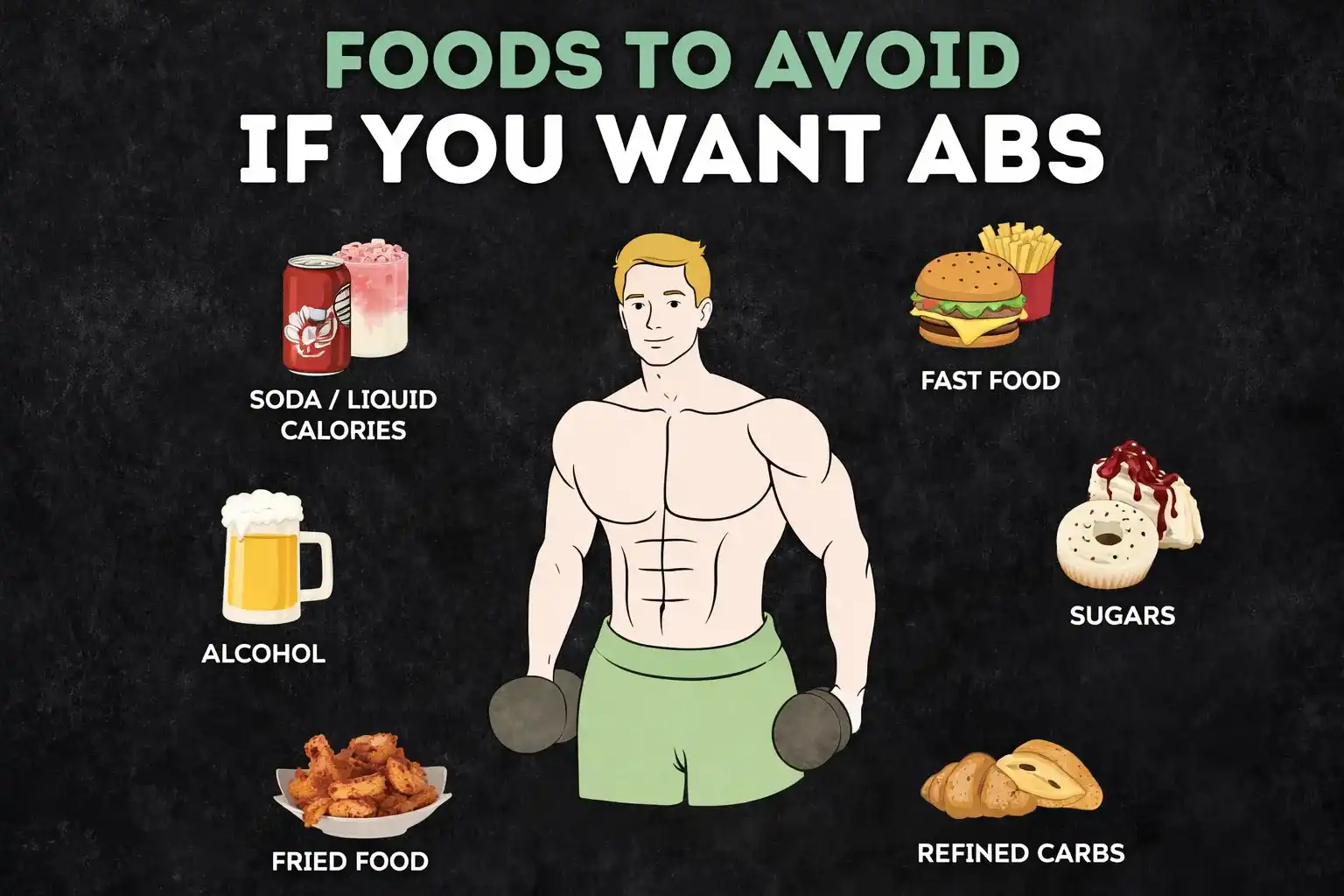
Foods to Avoid When Building Muscle
While variety is important, some foods can slow your progress.
Limit or avoid:
- Alcohol: Reduces muscle growth and recovery
- Added sugars: High calories, low nutrients
- Deep-fried foods: Increase inflammation and fat gain
Examples:
- Soda, candy, pastries
- Fast food and fried snacks
These foods can sabotage both bulking and cutting phases.
What to Avoid Before a Workout
Certain foods can negatively affect your performance if eaten before training:
- High-fat meals (slow digestion)
- High-fiber foods (can cause discomfort)
- Carbonated drinks (bloating)
Choose light, easily digestible meals before workouts.
Supplements That May Help
While whole foods should be your priority, some supplements can support your goals:
Common options:
- Whey protein: Convenient protein source
- Creatine: Improves strength and performance
- Caffeine: Boosts energy and focus
Always consult a healthcare professional before adding supplements.
Sample Muscle-Building Meal Ideas
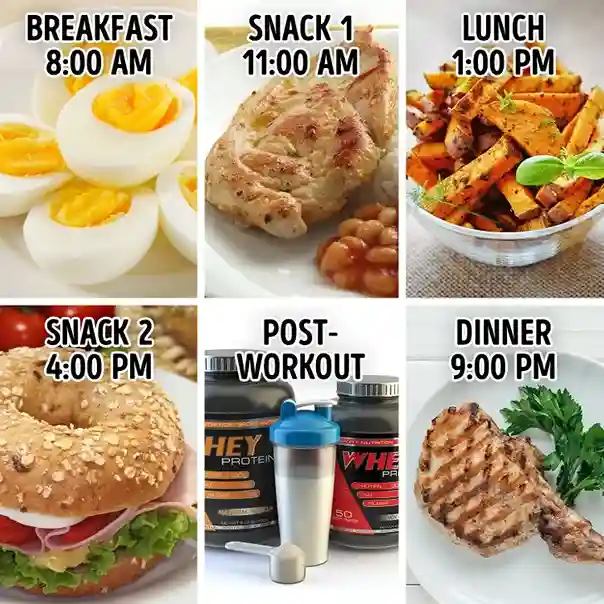
A balanced daily meal plan might include:
- Breakfast: Eggs, oatmeal, fruit
- Snack: Yogurt with nuts
- Lunch: Chicken, rice, vegetables
- Snack: Protein shake + fruit
- Dinner: Fish or beef, quinoa, greens
Variety is key to meeting all nutritional needs.
The Benefits of a Proper Muscle-Building Diet
Combining proper nutrition with training can:
- Increase muscle mass and strength
- Improve metabolism
- Reduce body fat
- Support heart and overall health
A well-balanced diet also lowers the risk of chronic diseases.
Final Thoughts
If you’re trying to build muscle, your success depends heavily on your nutrition. Focus on:
- Eating enough calories
- Prioritizing protein
- Choosing whole, nutrient-rich foods
- Avoiding processed and sugary options
Leave a Reply