In recent years, nutrition science has evolved beyond what and how much we eat. Researchers are now discovering that when we eat plays a crucial role in overall health. From metabolism to disease prevention, meal timing is emerging as a powerful factor in reducing the risk of obesity, type 2 diabetes, and cardiovascular disease.
In this SEO-optimized guide, we’ll explore how eating patterns impact your body and how you can optimize your daily routine for better health.
Table of Contents
ToggleWhy Meal Timing Matters
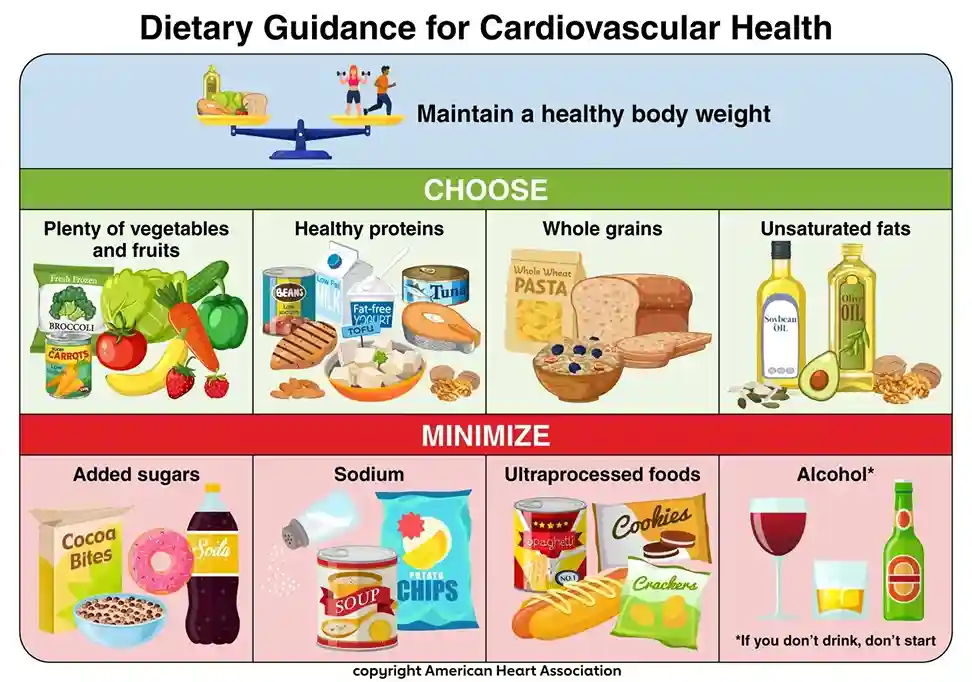
It’s widely known that food quality and quantity affect health. However, meal timing is now recognized as an equally important factor. Eating at the wrong times-especially late at night-can disrupt your body’s natural rhythms and negatively impact metabolism.
Research shows that aligning your eating habits with your body’s internal clock can:
- Improve digestion and metabolism
- Support weight management
- Reduce the risk of chronic diseases
The Science Behind Eating Patterns: Circadian Rhythm
Your body operates on a natural 24-hour cycle known as the circadian rhythm. This internal clock regulates:
- Sleep and wake cycles
- Hormone release
- Energy metabolism
When your eating schedule is aligned with this rhythm, your body functions more efficiently. However, eating late at night or at inconsistent times can disrupt this system.
Key insight:
- Your body processes food more efficiently during the day
- Digestion and insulin sensitivity are stronger in the morning
- Eating at night can impair metabolism and increase fat storage
Daily Eating Duration: How Long Should You Eat Each Day?
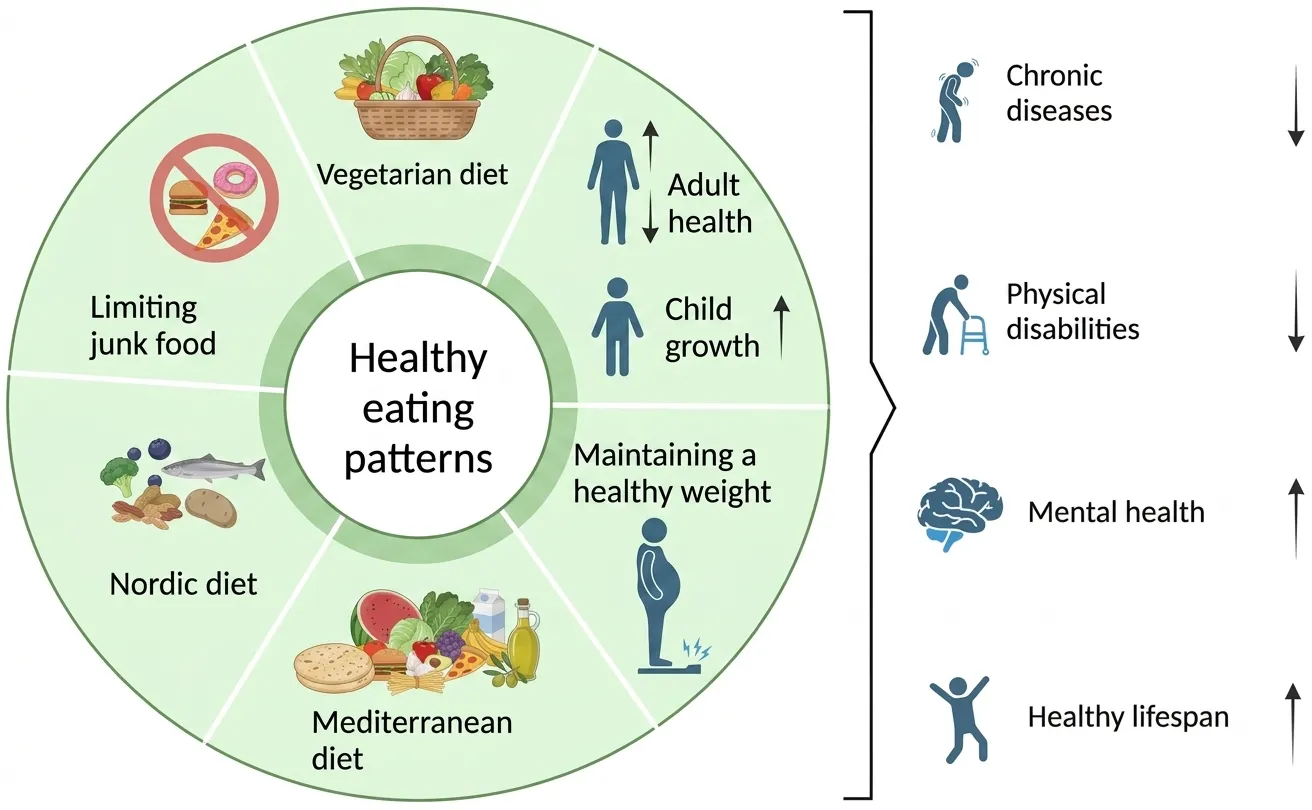
Daily eating duration refers to the time between your first and last calorie intake within a 24-hour period.
1. Time-Restricted Eating (TRE)
One of the most popular approaches is time-restricted eating, where you consume all your meals within a fixed window—typically 8 to 12 hours per day.
Benefits of TRE:
- Improves blood sugar control
- Supports weight loss
- Enhances energy and sleep quality
- May reduce inflammation
Even without reducing calories, limiting your eating window can significantly improve metabolic health.
2. Intermittent Fasting (IF)
Intermittent fasting focuses on alternating periods of eating and fasting.
Common methods include:
- Alternate-day fasting
- 5:2 diet (eat normally 5 days, restrict calories 2 days)
- Periodic fasting
During fasting periods, your body uses stored fat for energy, which may:
- Promote fat loss
- Improve brain function
- Support cellular repair
3. Calorie Restriction (CR)
Calorie restriction involves reducing daily calorie intake, usually without focusing on timing. While effective for weight loss, its benefits may partly come from unintentionally shortening the eating window.
When Should You Eat? Timing Is Everything
Beyond how long you eat, the time of day you eat also matters.
Eat More Earlier in the Day
Research supports the idea:
“Eat breakfast like a king, lunch like a prince, and dinner like a pauper.”
Eating larger meals earlier in the day can:
- Improve blood sugar control
- Enhance weight loss
- Reduce hunger later
Avoid Late-Night Eating
Eating close to bedtime can:
- Increase blood sugar levels
- Promote fat storage
- Disrupt sleep
This is because melatonin (the sleep hormone) reduces your body’s ability to process glucose at night.
Does Skipping Breakfast Affect Health?
The impact of skipping breakfast is still debated.
What research suggests:
- Skipping breakfast is often linked to poor eating habits
- It may be associated with obesity and metabolic diseases
- However, some studies show no direct effect on weight
The key takeaway: overall eating patterns matter more than any single meal.
Calorie Distribution: How Much Should You Eat at Each Meal?
Not all meals should be equal. Studies show that consuming more calories earlier in the day leads to better outcomes.
Benefits of front-loading calories:
- Better blood sugar regulation
- Increased satiety
- Improved weight management
A high-protein breakfast, in particular, can help control appetite and reduce cravings.
Consistency Is Key: Regular Eating Patterns
Your body thrives on routine. Eating at irregular times can disrupt your circadian rhythm, similar to jet lag.
Irregular eating habits are linked to:
- Obesity
- Type 2 diabetes
- Cardiovascular disease
Best practice:
- Eat meals at consistent times every day
- Avoid drastic changes between weekdays and weekends
The Best Eating Pattern for Optimal Health
Based on current scientific evidence, the most effective eating habits include:
- Eating within a consistent window of less than 12 hours per day
- Consuming most calories earlier in the day
- Avoiding food late at night or before bedtime
- Maintaining regular meal times daily
Important Considerations
While meal timing strategies like intermittent fasting and time-restricted eating show promise, they may not work for everyone.
Keep in mind:
- Long-term effects are still being studied
- Individual responses may vary
- Not suitable for all groups (e.g., pregnant women, certain medical conditions)
Always consult a healthcare professional before making major dietary changes.
Final Thoughts
Healthy eating isn’t just about choosing the right foods—it’s also about eating at the right time. Aligning your meals with your body’s natural rhythm can improve metabolism, support weight management, and reduce disease risk.
As research continues to grow, one thing is clear:
When you eat matters just as much as what you eat.
What’s your current eating schedule? Have you tried time-restricted eating or intermittent fasting? Share your experience in the comments below!
Leave a Reply