Food packaging is often overlooked, yet it plays a vital role in protecting what we eat every day. Beyond aesthetics and branding, packaging materials directly impact food safety, quality, and shelf life. From preventing contamination to preserving flavor and nutrition, the right packaging can make all the difference.
In this article, we explore how packaging materials influence food safety, the latest innovations in the industry, and why choosing the right packaging matters more than ever.
Why Food Packaging Matters for Food Safety
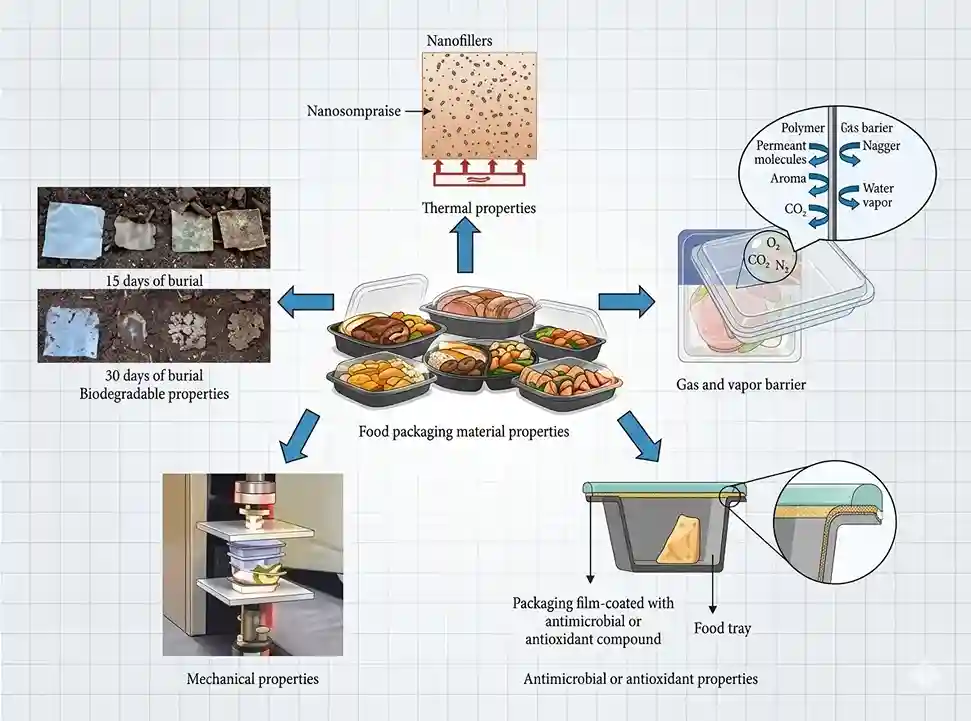
Food packaging acts as the first line of defense between food and external hazards. Its primary purpose is to protect products from contamination, spoilage, and environmental damage.
Key functions of food packaging:
- Protects against bacteria, dust, and pollutants
- Prevents chemical contamination
- Maintains freshness and nutritional value
- Extends shelf life
- Ensures safe transportation and storage
Without proper packaging, even high-quality food can quickly become unsafe for consumption.
The Role of Packaging Materials in Food Protection
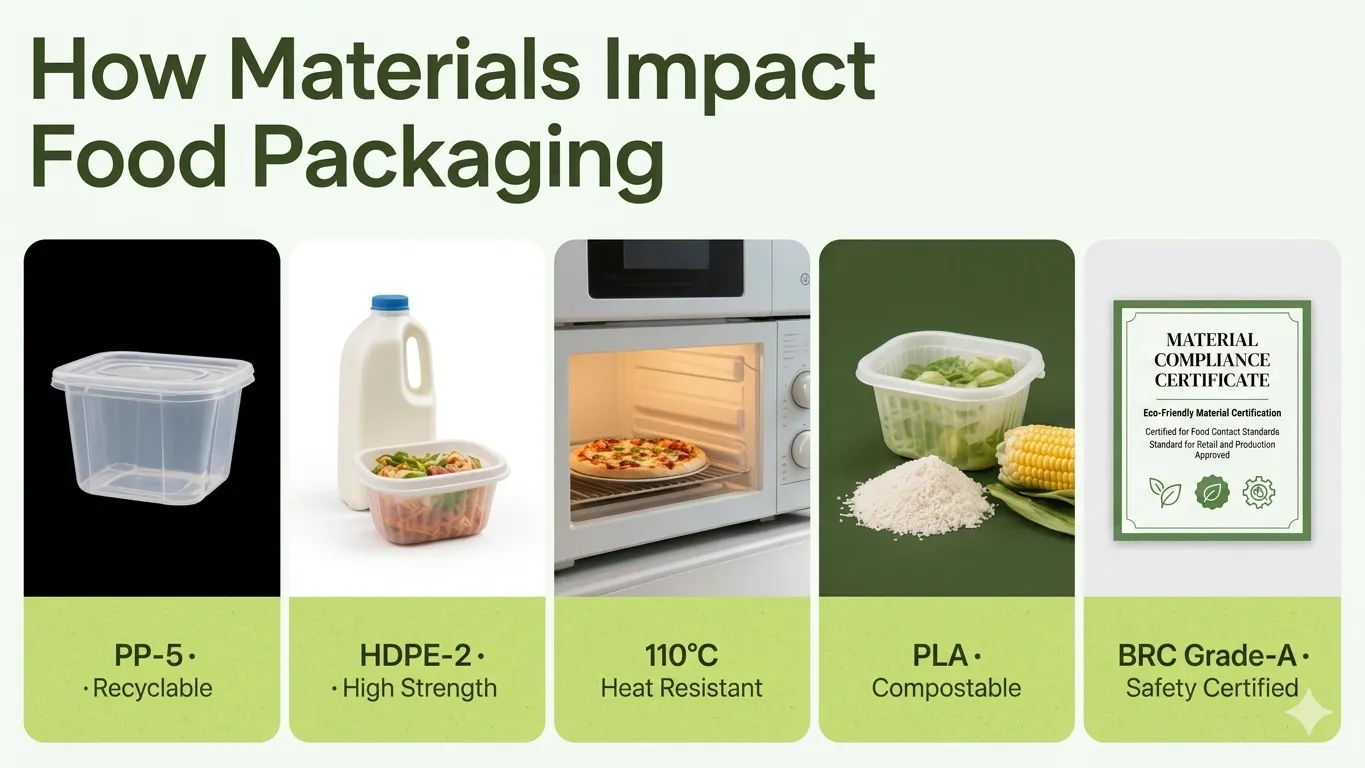
1. Barrier Against Contamination
Packaging materials create a protective shield that prevents harmful substances from reaching food. High-quality, food-grade materials are non-reactive, meaning they do not release harmful chemicals or interact negatively with the food.
2. Protection from Environmental Factors
Exposure to air, moisture, and light can accelerate food spoilage. Effective packaging helps:
- Reduce oxidation
- Prevent moisture loss or buildup
- Protect against UV light
This is especially important for perishable foods like meat, dairy, and fresh produce.
3. Preserving Taste, Texture, and Aroma
Good packaging doesn’t just keep food safe—it also preserves the sensory experience.
Modern techniques such as:
- Vacuum packaging
- Modified Atmosphere Packaging (MAP)
help maintain flavor, texture, and aroma for longer periods.
4. Safe Handling and Transportation
Packaging ensures food remains intact during shipping and storage. Durable materials reduce the risk of:
- Physical damage
- Leakage
- Cross-contamination
How Packaging Materials Affect Food Quality and Taste
Not all packaging materials are created equal. Some can negatively impact food quality if not properly selected.
Common issues:
- Metal cans may react with acidic foods, causing a metallic taste
- Plastic packaging can release chemicals when exposed to heat or light
- Poor-quality materials may absorb or transfer odors
These interactions can alter:
- Flavor
- Aroma
- Texture
Innovative Packaging Solutions Enhancing Food Safety
The food industry is rapidly evolving with new technologies designed to improve safety and quality.
1. Oxygen-Scavenging Packaging
Removes excess oxygen to slow down spoilage and maintain freshness.
2. Smart Packaging
Equipped with sensors that:
- Monitor temperature
- Detect freshness
- Alert consumers to spoilage
3. Barrier Films and Coatings
Advanced materials prevent:
- Oxygen دخول
- Moisture transfer
- Flavor contamination
4. Vacuum and Modified Atmosphere Packaging (MAP)
These technologies extend shelf life by controlling the internal environment of the package.
Essential Reasons Packaging Is Critical for Food Safety
- Prevents contamination from external sources
- Controls chemical and physical changes during storage
- Provides vital information (expiry date, ingredients, allergens)
- Maintains freshness and extends shelf life
- Supports safe transportation
- Enhances consumer trust and product appeal
Sustainable Innovations in Food Packaging
As environmental concerns grow, the industry is shifting toward eco-friendly packaging solutions.
Emerging trends include:
- Biodegradable and compostable materials
- Recycled packaging
- Bioplastics
- Edible packaging made from natural ingredients
These innovations not only improve sustainability but also align with modern consumer preferences.
Challenges of Traditional Packaging Materials
While effective, traditional materials—especially plastics—pose environmental issues such as:
- Pollution
- Resource depletion
- Waste management challenges
This has accelerated the demand for sustainable and safer alternatives.
The Future of Food Packaging and Safety
The future of food packaging lies in innovation, safety, and sustainability. We can expect:
- More intelligent packaging systems
- Increased use of eco-friendly materials
- Greater transparency for consumers
- Enhanced food safety standards
Final Thoughts
Packaging materials play a crucial role in ensuring food safety, preserving quality, and protecting consumer health. From preventing contamination to maintaining taste and freshness, the right packaging is essential across the entire food supply chain.
As technology advances and sustainability becomes a priority, innovative packaging solutions will continue to reshape how we store, transport, and consume food.
Leave a Reply