In today’s experience-driven food industry, dining is no longer just about flavor—it’s about immersion. Multisensory dining is transforming how we experience food by engaging all five senses: sight, smell, taste, touch, and hearing. This innovative approach turns a simple meal into a memorable journey, redefining what it means to eat out.
So, how does multisensory dining work, and why is it becoming a major trend in modern restaurants? Let’s explore.
Table of Contents
ToggleWhat Is Multisensory Dining?
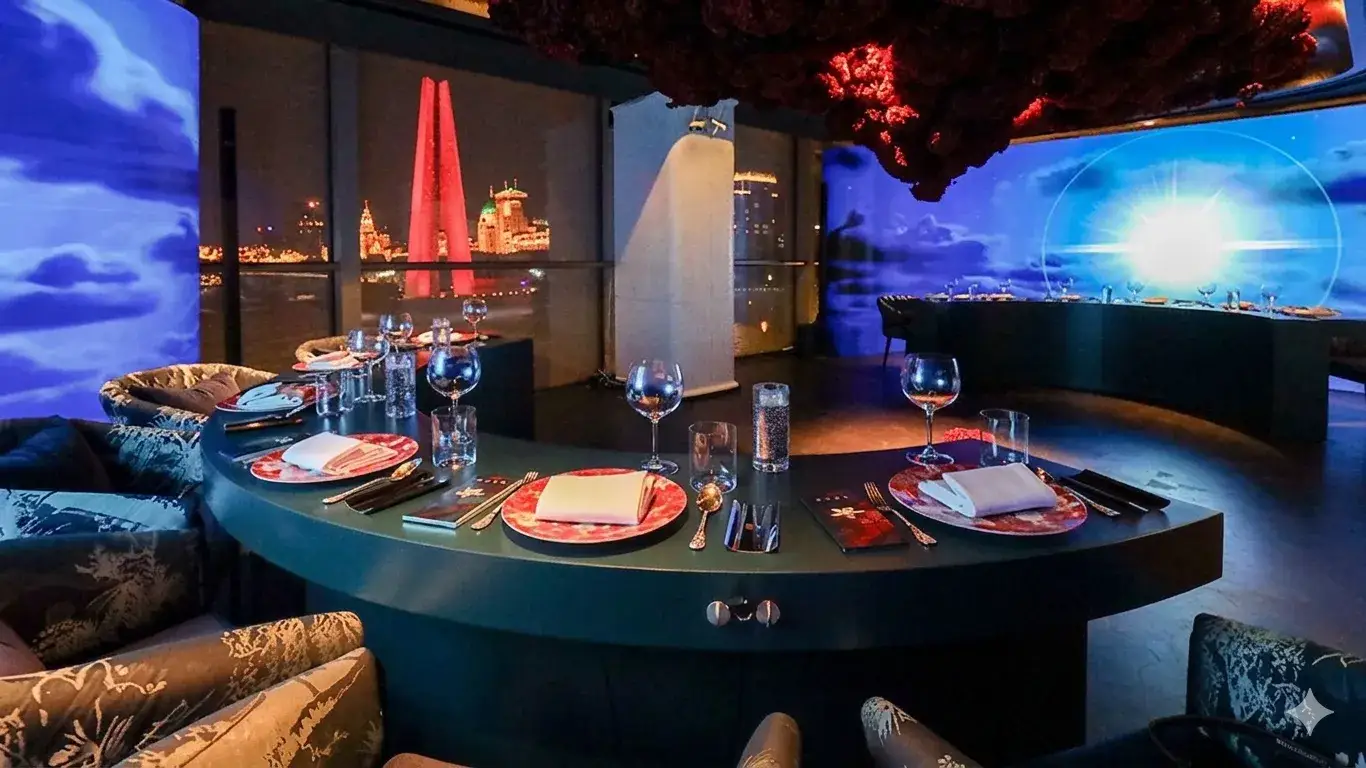
Multisensory dining is a concept that enhances the eating experience by stimulating multiple senses simultaneously. Instead of focusing solely on taste, restaurants design environments where visual presentation, aroma, texture, sound, and even atmosphere work together to elevate the meal.
This approach creates:
- Stronger emotional connections with food
- More memorable dining experiences
- Increased customer satisfaction and loyalty
The Science Behind Multisensory Dining
Flavor is not just about taste buds—it’s a complex interaction between the brain and multiple sensory inputs.
Key senses that shape how we experience food:
- Sight: The appearance of food sets expectations. Colors, plating, and arrangement can influence perceived taste and quality.
- Smell: Aroma plays a dominant role in flavor perception, helping identify and enhance taste.
- Touch: Texture and mouthfeel (crispy, creamy, crunchy) affect enjoyment and satisfaction.
- Hearing: Sounds like sizzling, crunching, or pouring can enhance anticipation and freshness perception.
These senses work together in real time, creating a richer and more immersive experience than taste alone.
Key Elements of a Multisensory Dining Experience
1. Visual Presentation
Food presentation is the first impression. Chefs use:
- Color contrast
- Layering and height
- Artistic plating
A visually appealing dish can increase perceived flavor and value before the first bite.
2. Ambient Sound
Sound plays a subtle yet powerful role:
- Background music sets the mood
- Cooking sounds (sizzle, crunch) enhance realism
- Quiet or lively environments influence how long guests stay
3. Texture and Mouthfeel
Combining textures creates excitement in every bite:
- Crispy + creamy
- Soft + crunchy
- Smooth + chewy
Texture adds depth and complexity to dishes.
4. Aroma and Scent
Smell is one of the strongest drivers of appetite and memory:
- Fresh herbs and spices build anticipation
- Signature scents create brand identity
- Aromas can evoke nostalgia and emotional responses
5. Tactile Experience
Even physical interaction matters:
- Cutlery design
- Plate materials
- Seating comfort
These small details influence how diners perceive quality and enjoyment.
Innovative Technologies in Multisensory Dining
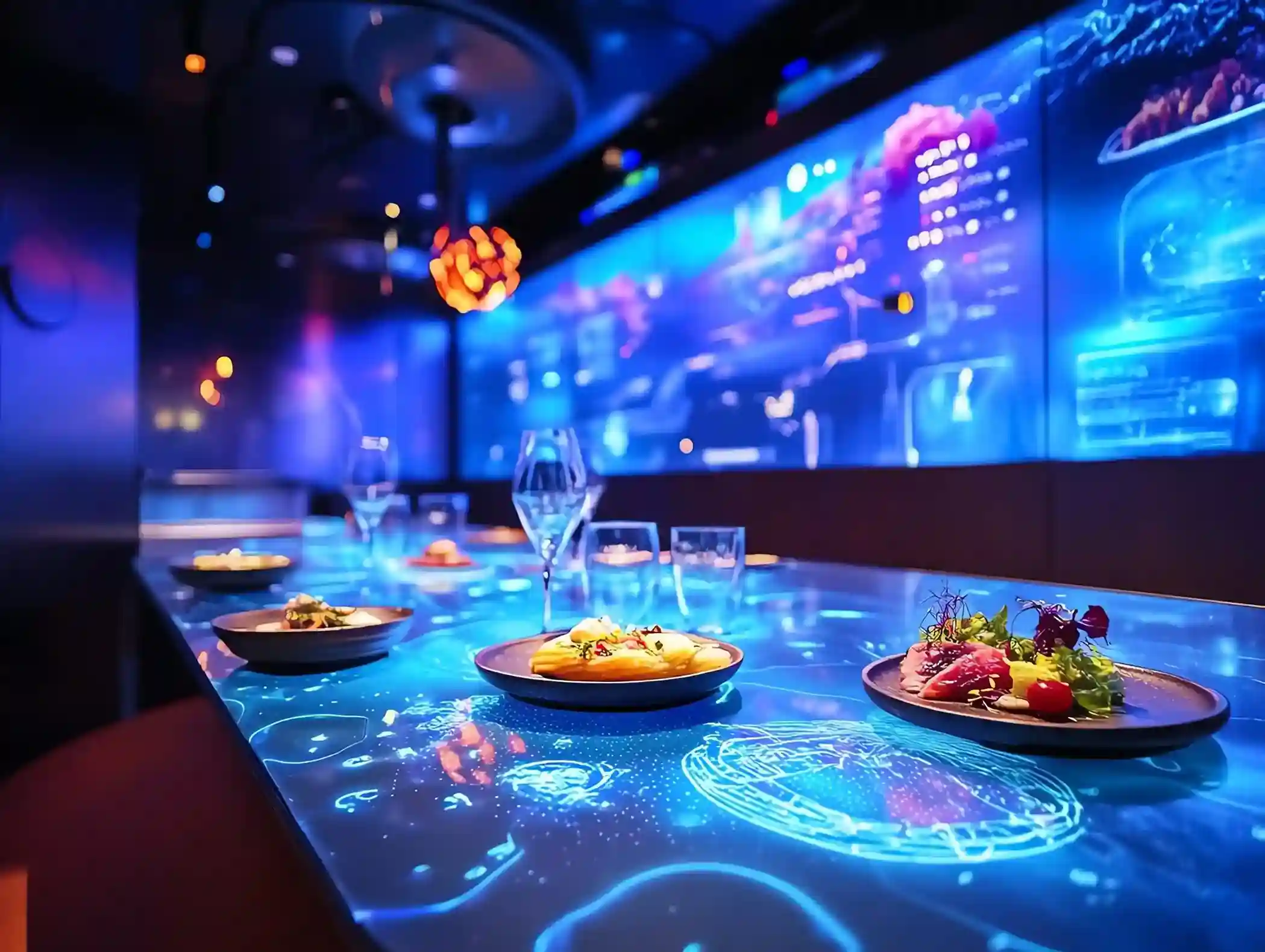
Technology is pushing multisensory dining to new heights. Some cutting-edge innovations include:
Projection Mapping
Transforms tables and walls into dynamic visual storytelling environments that match the dish.
Virtual Reality (VR)
Allows diners to experience meals in immersive environments, such as beaches or foreign cities.
Augmented Reality (AR) Menus
Interactive menus display 3D versions of dishes, helping customers visualize their meal before ordering.
Smart Plates
Plates with sensors that react to temperature or movement, adding interactive elements to dining.
3D Food Printing
Enables chefs to create intricate, customized dishes with precise design and structure.
The Emotional Power of Multisensory Dining
Multisensory experiences go beyond physical enjoyment—they create emotional connections.
Memory and Nostalgia
Certain smells and sounds can trigger powerful memories:
- The smell of baked bread → childhood memories
- The sound of crunch → comfort and familiarity
Mood Enhancement
- Warm lighting → relaxation and intimacy
- Music tempo → influences dining pace and mood
Restaurants use these elements to craft meaningful, memorable experiences.
Benefits for Restaurants
Adopting multisensory dining offers significant advantages:
- Differentiation in a competitive market
- Stronger customer loyalty
- Higher perceived value (justifying premium pricing)
- Enhanced brand identity
Challenges of Multisensory Dining
Despite its benefits, implementation comes with challenges:
- High investment costs for technology
- Staff training requirements
- Complex integration of sensory elements
However, the long-term rewards often outweigh these initial hurdles.
Future Trends in Multisensory Dining
The future of dining is becoming more personalized and immersive. Key trends include:
- Customized sensory experiences based on customer preferences
- Advanced scent technology and interactive environments
- Greater use of AI and data to tailor dining journeys
Restaurants are moving toward fully personalized, experience-driven dining.
Final Thoughts
Multisensory dining is redefining the restaurant experience by engaging all five senses. It transforms meals into immersive journeys that connect with diners on emotional, psychological, and sensory levels.
As the food industry evolves, one thing is clear:
The future of dining is not just about taste—it’s about the entire experience.
Leave a Reply