Grocery shopping can feel like a simple task, but many of us end up wasting money, food, and time. Impulse purchases, unplanned shopping trips, and lack of preparation are the main reasons most households spend more than necessary. The good news? With a few smart strategies, you can shop efficiently, save money, and buy healthy foods that actually get used.
Why Most People Shop Inefficiently

Wandering through the store and picking items based on promotions or appearance may seem harmless, but studies show it leads to significant food waste. In developed countries, households throw away 20–30% of purchased food, mainly due to impulse buying and shopping without a plan.
Supermarkets are designed to encourage spending:
- Essential items like dairy, meat, and eggs are placed at the back, forcing you to walk past high-margin, processed foods.
- Eye-level shelves often feature higher-priced items, while healthy staples are placed lower.
- End-of-aisle displays promote profitable products, not necessarily the best value.
- Promotional pricing encourages buying items you don’t need.
A shopper with a well-planned list spends the same amount but ends up with better-quality ingredients and meals, while an unplanned shopper often buys snacks and random items that may spoil before use.
Key Takeaways:
- Shopping without a list drives waste and overspending.
- Supermarkets are optimized for impulse purchases-navigate with intention.
- A planned $150 shopping trip produces more usable and nutritious food than an unplanned one.
How to Build a Shopping List That Works
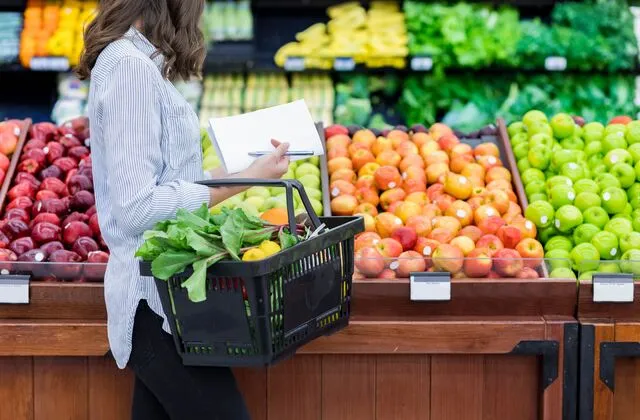
The key to smart grocery shopping is a purpose-driven shopping list. Here’s how:
- Start with a Meal Plan:
Decide what you’ll cook for the week-even a rough plan of three dinners and a few lunches works. List every ingredient required, minus what you already have. Remove items that aren’t tied to a meal. - Organize by Store Section:
Sort your list into categories: produce, proteins, dairy, deli, canned goods, frozen, condiments, and pantry items. This prevents backtracking, saves time, and helps identify missing ingredients. - Check Your Pantry:
Avoid duplicates by checking your cupboards and fridge before writing your list. Prevents overbuying staples like spices, oils, and canned goods. - Specify Quantities:
Include exact amounts (e.g., 2 chicken breasts, 500g broccoli) to prevent under- or over-buying.
Checklist for a Smart List:
- Every item has a purpose (meal or regular use)
- Organized by store section
- Pantry checked for duplicates
- Quantities specified
Choosing Healthy Food Without Overspending
Healthy eating doesn’t have to break the bank. In fact, some of the most nutritious foods are also the cheapest:
- Eggs, lentils, canned beans, oats, whole-grain pasta, rice
- Frozen vegetables like peas, broccoli, edamame
- Seasonal produce such as carrots, cabbage, bananas
- Natural yogurt
Highly processed and packaged foods cost more per calorie and protein, while whole foods provide better nutrition at lower prices.
Tips for Smart Healthy Shopping:
- Buy seasonal produce locally for better flavor and lower cost.
- Check farmers’ markets for discounted, cosmetically imperfect produce.
- Use frozen vegetables—they’re harvested at peak ripeness, cheaper, and last longer than fresh.
- Choose whole ingredients (whole chicken, block cheese) over pre-cut or pre-packaged equivalents.
Reducing Waste and Making Food Last
Smart grocery shopping extends beyond the store-it’s about meal planning and proper storage.
- Plan Conservatively:
Only plan the meals you are realistically going to cook. Overbuying fresh produce leads to waste. - Store Food Properly:
- Leafy greens: Wrap in damp paper towels in the crisper.
- Herbs: Store like cut flowers in a glass of water in the fridge.
- Bread: Freeze sliced bread to prevent spoilage.
- Leftovers: Refrigerate within 2 hours and consume within 3–4 days.
- Use-It-Up Meals:
Build at least one meal per week around leftover ingredients. Stir-fries, soups, frittatas, and fried rice are perfect for using vegetables and proteins before they spoil.
Key Practices:
- Plan meals conservatively to avoid waste.
- Extend shelf life through proper storage.
- Incorporate at least one “use-it-up” meal weekly.
Conclusion
By shopping with intention, creating organized lists, choosing nutritious and cost-effective foods, and reducing waste, you can buy healthy groceries without overspending. Smart grocery shopping isn’t just about saving money—it’s about feeding your body well, minimizing waste, and making your time in the kitchen more productive and enjoyable.
Start today by planning your meals, organizing your shopping list, and choosing healthy, affordable foods. Your wallet—and your fridge—will thank you.
Leave a Reply