In today’s world of endless diet trends, one concept is gaining serious attention: the personalized diet. Unlike generic meal plans you find online, a personalized diet is designed specifically for you-your body, your lifestyle, your goals, and how you respond to food.
But what exactly does that mean? And is it really more effective than traditional diets? In this SEO-optimized blog, we’ll break down everything you need to know about personalized nutrition and how it can improve your health long-term.
Table of Contents
ToggleWhat Is a Personalized Diet?
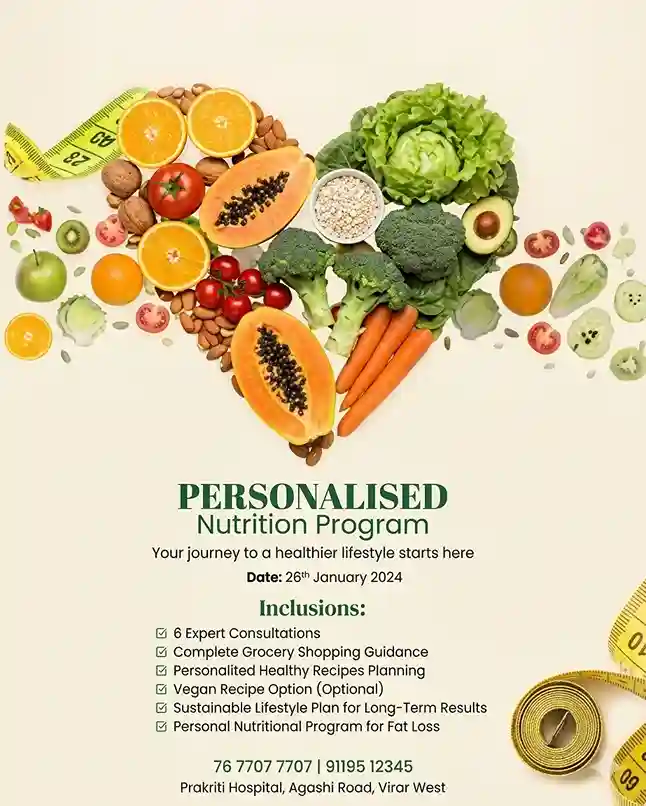
A personalized diet is not just another “one-size-fits-all” eating plan. Instead, it’s an approach that tailors nutrition based on:
- Your health goals (weight loss, energy, digestion, etc.)
- Medical conditions or symptoms
- Daily routine and lifestyle
- Food preferences and habits
- How your body reacts to certain foods
Modern nutrition science shows that people respond differently to the same foods. What works for one person may not work for another. That’s why experts now focus on precision nutrition-a method that considers individual differences like metabolism, microbiome, and even genetics.
Personalized Diet vs. Traditional Diets
Most popular diets follow strict rules, such as:
- Cutting carbs completely
- Eating at fixed times
- Eliminating entire food groups
- Counting calories rigidly
These approaches assume the same method works for everyone. However, a personalized diet takes a different path.
Key differences:
- Focuses on the individual, not universal rules
- Adapts to your lifestyle and preferences
- Prioritizes sustainability over restriction
- Considers real-life factors like stress, sleep, and work schedule
👉 For example, one person may feel great with three meals a day, while another may benefit from smaller, more frequent meals.
What Does a Personalized Diet Include?
Think of a personalized diet as a “nutrition blueprint” built from multiple factors:
1. Your Goals
Are you trying to lose weight, improve digestion, or boost energy? Each goal requires a different strategy.
2. Health Status
Medical conditions, symptoms, or medications can significantly influence your dietary needs.
3. Lifestyle
Work schedule, physical activity, sleep patterns, and food access all affect how realistic a diet plan is.
4. Food Preferences
A good diet must be enjoyable. If you don’t like the food, you won’t stick to it.
5. Individual Response
Your body may react differently to certain foods in terms of energy, digestion, or satiety.
6. Data and Testing (Optional)
In some cases, lab tests can help refine your plan—especially if there are specific health concerns.
Who Benefits Most from a Personalized Diet?
A personalized diet is especially helpful for people who:
- Want to lose weight without strict restrictions
- Have digestive issues or food sensitivities
- Experience inconsistent energy levels
- Have busy or irregular schedules
- Struggle to follow standard diets
- Are at risk of metabolic conditions
👉 In short, it’s ideal for anyone who wants a realistic and sustainable approach to healthy eating.
Do You Need Tests for a Personalized Diet?
One of the most common questions is whether you need medical or genetic tests to start.
The truth:
- Tests can be helpful—but they are not always necessary
- They are most useful when there’s a specific medical concern
- On their own, tests don’t create a complete diet plan
In many cases, a personalized diet starts with simpler tools:
- Food diaries
- Tracking habits and symptoms
- Understanding eating patterns
- Setting realistic goals
👉 Without lifestyle context, test results only show part of the picture.
Genetic and Microbiome Tests: Helpful or Hype?
Many companies now offer at-home tests that claim to create the “perfect diet” based on your DNA or gut microbiome.
While this sounds promising:
- Scientific evidence is still evolving
- Results may vary between providers
- Not all tests are clinically validated
👉 These tools can be useful, but they should be interpreted with guidance from a qualified professional—not used as a standalone solution.
What Does a Good Personalized Diet Look Like?
An effective personalized diet has several key characteristics:
- ✅ Fits your daily schedule
- ✅ Includes foods you actually enjoy
- ✅ Avoids extreme restrictions
- ✅ Can adapt over time
- ✅ Supports long-term health, not quick fixes
Instead of being a short-term experiment, it becomes a sustainable lifestyle.
How to Start Your Personalized Diet
You don’t need complicated tools to begin. Start by asking yourself:
- What are my health goals?
- When do I usually overeat or skip meals?
- Which foods make me feel good—or not?
- What challenges do I face in my daily routine?
From there, you can:
- Adjust your eating habits
- Keep a food journal
- Consult a nutritionist if needed
- Consider testing only if necessary
👉 Small, consistent changes are more effective than drastic restrictions.
Final Thoughts: Personalization Is the Future of Nutrition
A personalized diet isn’t about finding a “perfect menu.” It’s about understanding your body and building a way of eating that works for your real life.
While general healthy eating principles still apply—like eating more whole foods and reducing processed items—personalization helps you adapt those principles in a way that is practical and sustainable.
👉 In the end, the best diet isn’t the trendiest one—it’s the one you can follow consistently while feeling your best.
Start listening to your body today and discover how personalized nutrition can transform your health!
Leave a Reply