The food industry is undergoing a powerful transformation driven by rapid technological advancements. From smart farming to artificial intelligence and e-commerce, technology is reshaping how food is produced, processed, distributed, and consumed.
Today, every step of the food journey-from farm to table-is influenced by innovation. In this SEO-optimized blog, we explore how technology is revolutionizing the food industry and what it means for consumers and businesses alike.
Table of Contents
ToggleThe Rise of Automation and Robotics in Food Production
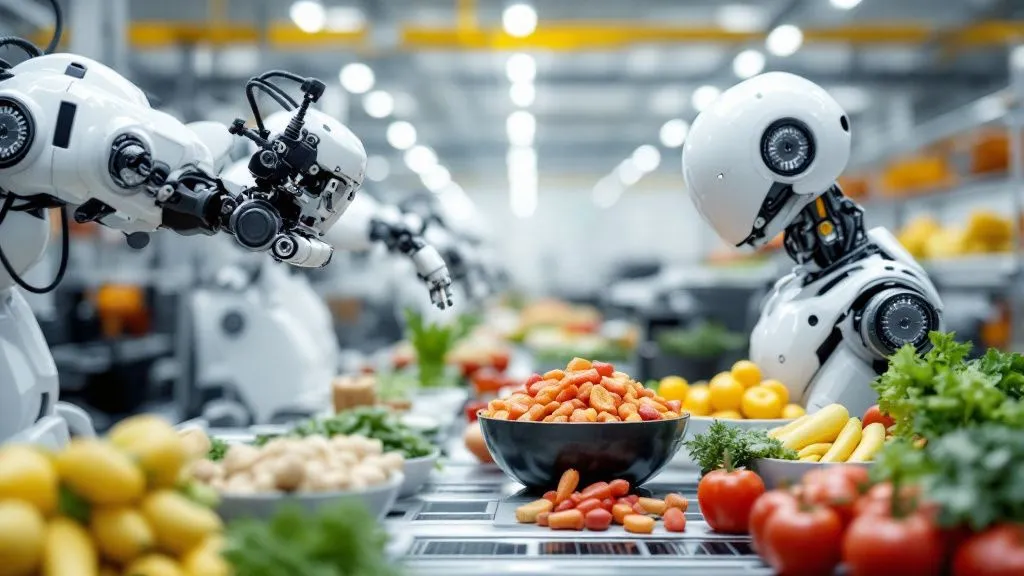
Automation and robotics are redefining food production by making processes faster, more efficient, and highly consistent.
Modern production lines now rely on robots to handle tasks such as sorting, packaging, and even cooking. These systems reduce human error and ensure that food products meet strict quality standards.
Key benefits include:
- Increased productivity and efficiency
- Reduced labor costs and workforce dependency
- Improved consistency and product quality
Robotics also play a crucial role in food safety. Machines operate in controlled, sanitized environments, minimizing contamination risks. Their precision ensures accurate measurements and uniform results across large-scale production.
Even small businesses and local farms are beginning to adopt automation, allowing them to scale operations while maintaining craftsmanship and quality.
Artificial Intelligence in Food Services
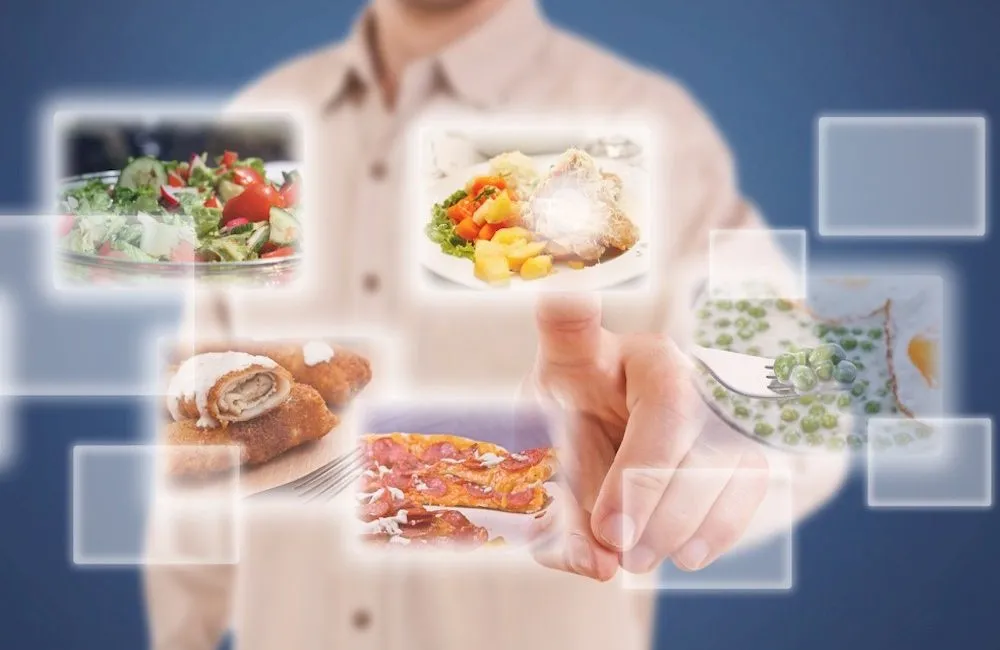
Artificial Intelligence (AI) is transforming how restaurants and food service providers operate, both front-end and behind the scenes.
Personalized customer experiences
AI-powered systems analyze customer data to recommend meals based on preferences, dietary habits, and past orders. This creates a more tailored and engaging dining experience.
Smarter operations
AI uses predictive analytics to forecast demand, helping businesses:
- Reduce food waste
- Manage inventory efficiently
- Optimize staffing and resources
Faster service
Self-service kiosks and AI-driven ordering systems streamline the customer journey by reducing wait times and improving accuracy.
Improved delivery systems
Food delivery platforms use AI to calculate optimal routes and provide real-time tracking, ensuring faster and more reliable service.
Sustainability Through Food Technology
Sustainability is one of the biggest priorities in today’s food industry, and technology plays a vital role in achieving it.
Smart farming and precision agriculture
Technologies such as drones and IoT sensors help farmers monitor crops, optimize water usage, and reduce chemical inputs. This leads to higher yields with lower environmental impact.
Sustainable packaging innovations
Modern packaging solutions focus on reducing waste and extending shelf life. These include:
- Biodegradable materials
- Vacuum sealing
- Modified atmosphere packaging
These innovations help minimize food spoilage and reduce landfill waste.
Renewable energy integration
Food production facilities are increasingly using solar and wind energy to lower their carbon footprint, supporting a more sustainable future.
Blockchain and Food Safety
Food safety is a critical concern, and blockchain technology is providing a new level of transparency and trust.
Blockchain creates a secure, traceable record of every step in the food supply chain. This allows businesses and consumers to track products from origin to consumption.
Key advantages:
- Improved traceability and transparency
- Faster identification of contamination sources
- Reduced risk of food fraud
In the event of a recall, blockchain enables companies to quickly locate and remove affected products, protecting public health and maintaining consumer confidence.
The Impact of E-commerce on Food Retail
E-commerce has revolutionized the way people shop for food. Online grocery platforms allow consumers to browse, compare, and purchase products from the comfort of their homes.
Benefits of online food shopping:
- Convenience and time savings
- Access to a wider range of products
- Personalized recommendations
- Exclusive online deals
Retailers use advanced algorithms to analyze shopping behavior, ensuring better inventory management and fresher products.
Additionally, the growth of e-commerce has accelerated innovation in eco-friendly packaging, ensuring that products are delivered safely while reducing environmental impact.
Technology and the Future of Food
As technology continues to evolve, its influence on the food industry will only grow stronger. Key trends shaping the future include:
- Greater personalization in nutrition and dining experiences
- Increased use of automation and AI
- Stronger focus on sustainability and ethical sourcing
- Enhanced transparency through digital tools like blockchain
These innovations are not just improving efficiency-they are redefining how we experience food in our daily lives.
Conclusion
Technology is transforming the food industry in ways that were unimaginable just a few decades ago. From smarter farming and AI-powered services to sustainable practices and digital retail, innovation is reshaping every aspect of the food ecosystem.
For consumers, this means better quality, safer products, and more convenient choices. For businesses, it opens the door to new opportunities, improved efficiency, and long-term growth.
As technology continues to advance, one thing is clear: the future of food will be smarter, more sustainable, and more connected than ever before.
Leave a Reply