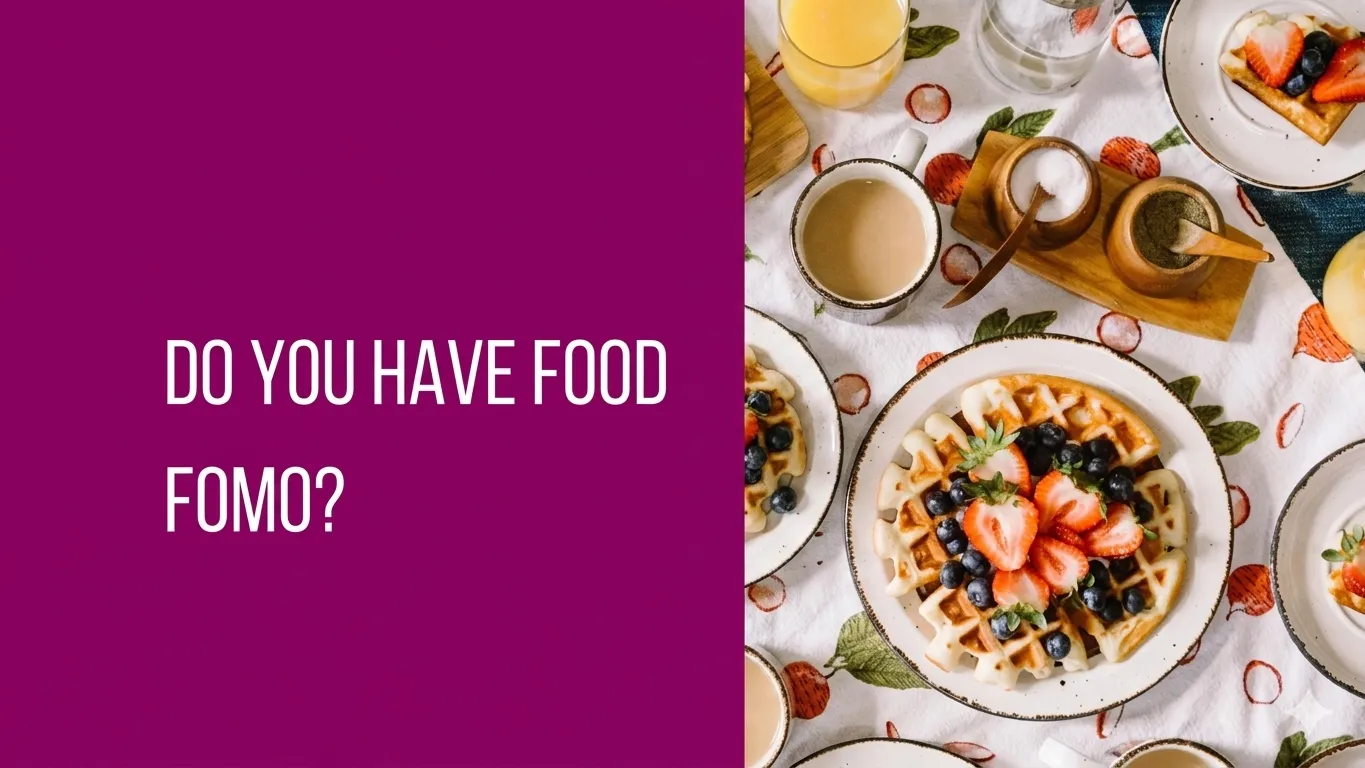
Sticking to a healthy diet isn’t always about willpower—it’s often about environment. From weekend parties to family dinners, social situations can easily derail even the most disciplined eating plans. One major reason? FOMO (Fear of Missing Out).
In this SEO-optimized blog, we explore how FOMO affects your eating habits, the psychology behind it, and practical ways to stay on track without missing out on life.
What Is FOMO in Eating Habits?
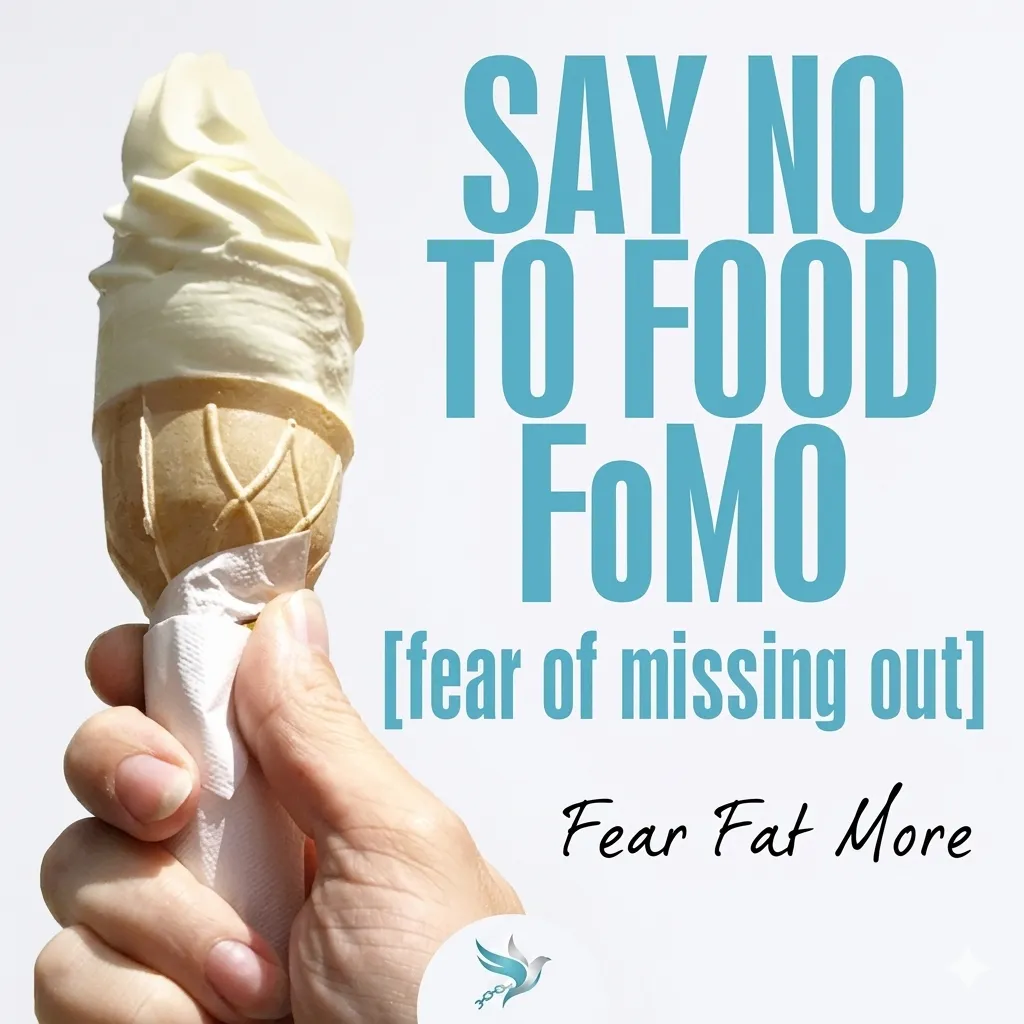
FOMO, or fear of missing out, describes the anxiety of feeling left out of enjoyable experiences—especially in social settings. When it comes to food, this often translates into overindulging simply because others are doing it.
Think about it:
- A weekend BBQ filled with burgers, chips, and desserts
- A party where everyone is drinking and snacking freely
- A family gathering with rich, traditional dishes
Even if you’ve been eating healthy all week, these moments can tempt you to “go with the flow.” You might tell yourself: “I deserve this” or “It’s just one day.” But over time, these small exceptions can add up and sabotage your long-term goals.
Why Social Situations Trigger Overeating
Humans are naturally social beings. We tend to mirror the behavior of others to feel accepted and connected. This is especially true when it comes to food.
1. Social Influence and Group Behavior
When everyone around you is indulging, it becomes harder to say no. You may unconsciously match their eating habits to fit in.
2. Emotional Justification
After a week of “clean eating,” many people feel they’ve earned a reward. This mindset can lead to overeating and poor food choices.
3. Limited Healthy Options
At social events, healthier choices like salads or lean proteins may be limited, making it easier to default to high-calorie foods.
4. Alcohol Consumption
Drinking can lower inhibitions and increase appetite, leading to even more overeating.
The Psychology Behind FOMO Eating
FOMO isn’t the only factor at play. Research shows that complex psychological mechanisms influence our behavior in social eating situations.
Pluralistic Ignorance
This occurs when you misinterpret what others actually think or prefer.
For example:
You might assume everyone is okay with eating unhealthy food, when in reality, many people may also want healthier options. This false belief can push you to make choices that don’t align with your goals.
Self-Licensing
Self-licensing is when you justify unhealthy behavior before it even happens.
Common thoughts include:
- “I’ve been good all week.”
- “I’ll start again tomorrow.”
- “It’s a special occasion.”
This mental negotiation makes it easier to abandon your plan—without feeling guilty in the moment.
Does FOMO Really Harm Your Diet Goals?
Yes-especially if it becomes a pattern.
Occasional indulgence is completely normal. However, frequent overeating in social settings can:
- Slow down weight loss progress
- Lead to weight gain
- Create a cycle of guilt and inconsistency
- Reduce motivation to maintain healthy habits
The key issue isn’t the occasional treat—it’s losing control repeatedly due to external pressure.
How to Stay on Track Without Missing Out
You don’t have to avoid social events to maintain a healthy lifestyle. Instead, focus on balance and awareness.
1. Plan Ahead
Eat a healthy meal before attending an event so you’re less tempted to overindulge.
2. Set Intentions
Decide in advance what you will and won’t eat. Having a plan reduces impulsive decisions.
3. Practice Mindful Eating
Slow down and enjoy your food. Pay attention to hunger and fullness cues instead of eating automatically.
4. Choose Wisely
Pick your favorite treats instead of trying everything. Quality over quantity.
5. Limit Alcohol
Drink in moderation to maintain better control over your food choices.
6. Remember Your Goals
Keep your long-term health goals in mind. One moment of awareness can prevent regret later.
Final Thoughts
FOMO is a powerful force that can quietly undermine your eating goals. But understanding the psychology behind it—like social influence, pluralistic ignorance, and self-licensing—can help you take back control.
Healthy eating isn’t about perfection or restriction. It’s about making consistent, mindful choices that align with your lifestyle and goals—even in social settings.
Leave a Reply