When we think about food, we often associate it with a country-Italian pasta, Japanese sushi, or Vietnamese phở. But is food culture truly “national”? In reality, culinary traditions are far more complex. Within any single country, there are diverse regional food practices shaped by geography, climate, history, and local ingredients.
In this SEO-optimized blog, we explore the question: how national is food culture? Using Turkey as a case study, we uncover why food is better understood through a regional-not just national-lens.
Food and National Identity: A Common Perspective
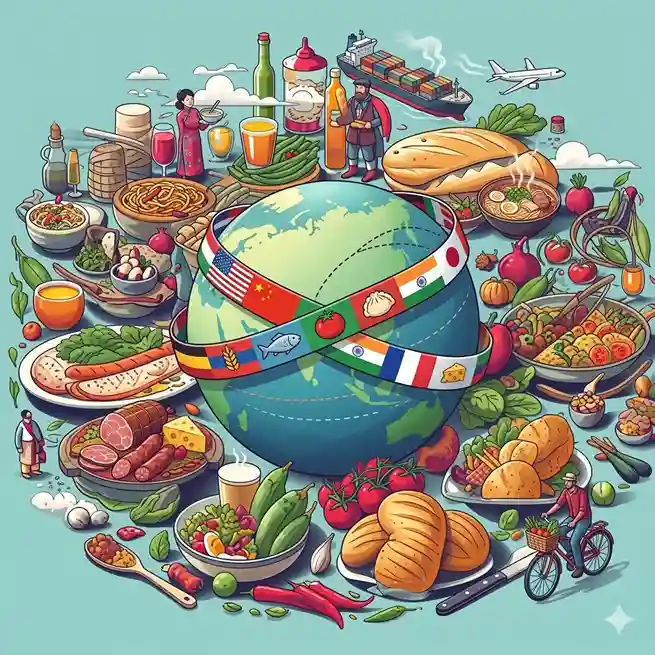
Food plays a powerful role in shaping national identity. Many countries take pride in iconic dishes that represent their culture, history, and traditions. These dishes often come with stories passed down through generations, reinforcing a shared sense of belonging.
However, defining food culture purely by national borders can be misleading. Most countries are not culturally or geographically uniform. As a result, multiple food cultures often coexist within the same nation.
Why Food Culture Goes Beyond Borders
In today’s world of nation-states, it’s easy to categorize cuisines by country. But this approach overlooks important factors such as:
- Regional climates
- Local ingredients
- Ethnic diversity
- Historical trade routes
These elements shape how food is grown, prepared, and consume-creating distinct culinary identities within the same country.
Turkey: A Perfect Example of Regional Food Diversity
Turkey offers a compelling example of how food culture varies across regions. Stretching from the Aegean coast to Eastern Anatolia, and from the Mediterranean to the Black Sea, the country’s vast geography creates a rich tapestry of culinary traditions.
Aegean Region: Fresh and Light
Along the Aegean coast, dishes are typically made with:
- Fresh herbs
- Olive oil
- Seafood
The cuisine here is light, healthy, and heavily influenced by Mediterranean flavors.
Mediterranean & Southeastern Anatolia: Bold and Spiced
In warmer southern regions, fertile land supports a wide variety of produce. Here, food is known for:
- Rich spices like paprika, cumin, and sumac
- Tomato paste (salça) as a staple ingredient
- Flavorful meat and vegetable dishes
This area’s history along ancient spice routes has deeply influenced its bold culinary profile.
Central Anatolia: Hearty and Preserved
With extreme seasonal temperatures, Central Anatolia relies on:
- Grains like wheat
- Preserved foods such as dried fruits and cured meats
The cuisine is hearty and designed to sustain people through both hot summers and cold winters.
Black Sea Region: Seafood and Tea Culture
The northern coast, with its rainy climate, is ideal for:
- Fishing (especially anchovies, known as hamsi)
- Tea and hazelnut production
Dishes here often revolve around fresh fish prepared in various traditional ways.
Shared Dishes Across Borders
Another reason food culture cannot be strictly national is that many dishes transcend borders.
Take the Mediterranean region as an example. Countries like Greece, Turkey, Syria, and Iran all have their own versions of stuffed vegetables. While ingredients and flavors may differ slightly, the core concept remains the same.
This shows that food evolves through:
- Cultural exchange
- Migration
- Trade
Rather than being confined to one nation, many recipes are part of a shared regional heritage.
Rethinking Food Culture
So, how should we define food culture?
Instead of focusing only on national identity, it’s more accurate to consider:
- Regional diversity
- Historical influences
- Ingredient availability
- Cultural interactions
This broader perspective helps us better understand how dishes are created, adapted, and shared across the world.
Final Thoughts
Food culture is far more than a national label. It is a dynamic and evolving expression of geography, history, and human connection.
The case of Turkey clearly shows that a single country can contain multiple distinct culinary traditions, each shaped by its unique environment and heritage. At the same time, shared dishes across borders remind us that food connects cultures rather than divides them.
Leave a Reply