The rapid rise of artificial intelligence (AI) and robotics is transforming nearly every aspect of modern life-and the food industry is no exception. From automated kitchens to food delivery apps, technology is reshaping how we cook, serve, and experience meals. But one question remains: can robots and AI truly replace chefs?
In this SEO-optimized blog, we explore the current role of automation in kitchens, its benefits, and whether human chefs will ever become obsolete.
The Rise of Robotics in Modern Kitchens
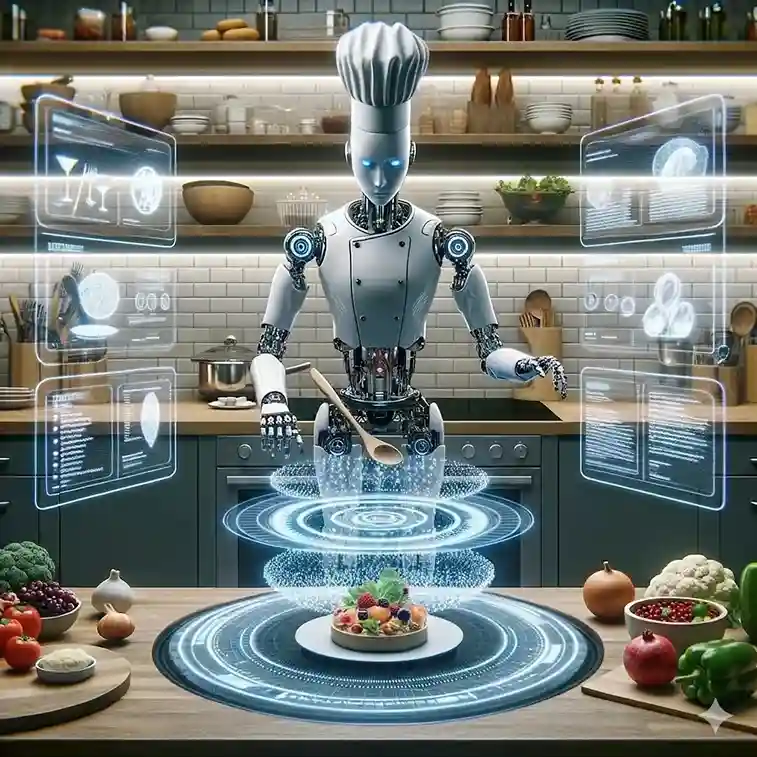
Automation in the food and beverage industry is no longer a futuristic concept—it’s already here. Around the world, restaurants and food manufacturers are integrating robotic systems to improve efficiency and consistency.
Robots are now capable of handling tasks such as:
- Food preparation and cooking
- Ingredient measurement and mixing
- Packaging and serving
For example, sushi-making machines are widely used in Japan and have been exported globally. Robotic kitchens, like the innovative Moley system, can replicate recipes with precision and minimal human intervention. Even fully automated restaurants have emerged, where robots prepare entire meals from start to finish.
These advancements highlight how technology is revolutionizing traditional cooking processes.
Why the Food Industry is Embracing Automation
1. Increased Efficiency and Lower Costs
One of the main reasons businesses adopt robotics is to reduce labor costs and increase productivity. Machines can operate continuously without fatigue, helping restaurants serve more customers in less time.
2. Improved Food Safety
Automation minimizes human contact with food, reducing the risk of contamination. This became especially important during the COVID-19 pandemic, when hygiene and safety were top priorities.
3. Solving Labor Shortages
The food industry often struggles with staffing issues. Robots can fill gaps in repetitive or physically demanding tasks, ensuring smooth operations even when workforce availability is limited.
4. Consistency and Precision
Robots excel at delivering consistent results. Every dish can be prepared with the same measurements, timing, and quality—something that’s harder to achieve with human variability.
The Role of AI in Food Services
Artificial intelligence goes beyond robotics by enhancing decision-making and customer experiences.
AI is currently used to:
- Predict customer preferences and personalize menus
- Optimize inventory and reduce food waste
- Improve delivery logistics with real-time tracking
- Power self-service ordering systems
These applications make food services faster, smarter, and more convenient for both businesses and consumers.
Can Robots Truly Replace Chefs?
Despite impressive technological progress, robots are unlikely to fully replace chefs—at least not anytime soon.
Creativity Cannot Be Programmed
Cooking is not just a technical process—it’s an art. Chefs rely on creativity, intuition, and cultural inspiration to create unique dishes. Robots, on the other hand, operate based on pre-programmed instructions and lack the ability to innovate independently.
Human Adaptability is Irreplaceable
Kitchens are dynamic environments where unexpected challenges frequently arise. Human chefs can adapt quickly, solve problems, and make real-time decisions—skills that machines still struggle to replicate.
Emotional Connection Matters
Food is deeply tied to emotion, culture, and personal experience. Diners often value the story behind a dish and the human touch that comes with it. This emotional connection is something robots cannot provide.
High Costs and Technical Limitations
Advanced robotic systems are still expensive and not accessible to all businesses. Additionally, the technology is still evolving and cannot yet handle the full complexity of a professional kitchen.
The Future: Collaboration, Not Replacement
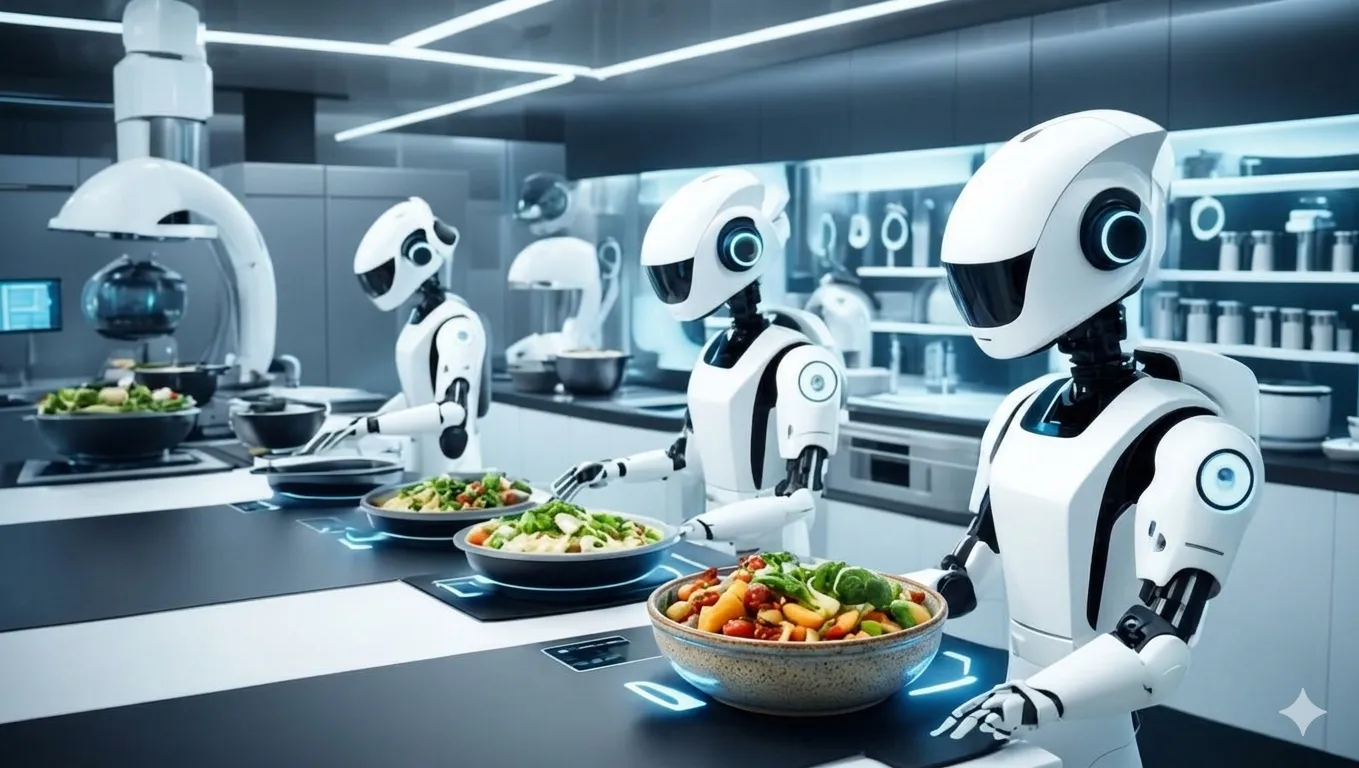
Rather than replacing chefs, the future of the food industry lies in collaboration between humans and machines.
Robots will likely:
- Handle repetitive and labor-intensive tasks
- Improve efficiency and safety
- Support chefs in high-volume environments
Meanwhile, chefs will continue to:
- Lead creativity and innovation
- Design menus and recipes
- Deliver personalized dining experiences
This partnership allows the industry to combine the best of both worlds—technology and human expertise.
Final Thoughts
Technology is undeniably transforming the food industry, making kitchens more efficient, safe, and innovative. However, the essence of cooking goes beyond automation.
While robots and AI can enhance the way food is prepared and served, they cannot replace the creativity, passion, and emotional depth that chefs bring to the table.
In the end, the future of cooking isn’t about machines taking over-it’s about how technology can empower chefs to create better, more meaningful culinary experiences.
Leave a Reply