In today’s fast-paced work environment, productivity is no longer driven by skills and technology alone. One often overlooked factor is nutrition at work. What employees eat directly affects their energy, focus, and overall performance.
As companies increasingly recognize this connection, workplace nutrition is becoming a strategic priority—not just for employee well-being, but also for business growth and societal health.
Table of Contents
ToggleThe Problem: Unbalanced Diets in the Workplace
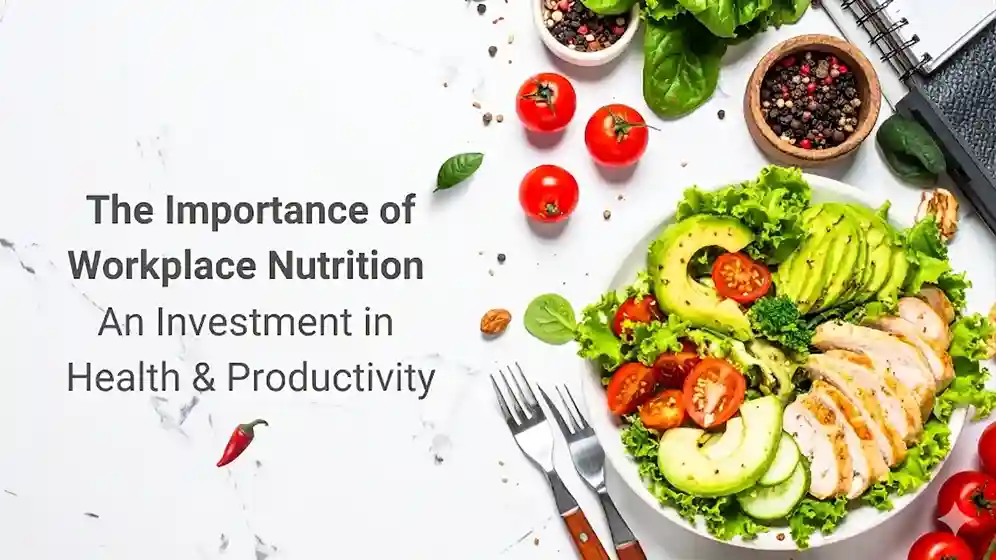
Convenience has changed how people eat at work. Ready-to-eat meals and takeout options are widely available, but they often come with poor nutritional quality.
Common issues include:
- Excessive salt intake
- Low vegetable consumption
- Lack of essential nutrients
Even when employees try to make healthier choices, such as adding a side of vegetables, their overall diet may still fall short.
👉 Studies show that frequent reliance on convenience foods and dining out is linked to reduced vegetable intake and unbalanced nutrition.
How Poor Nutrition Affects Productivity
An unhealthy diet doesn’t just impact personal health-it also affects workplace performance.
Employees with poor eating habits may experience:
- Low energy levels
- Reduced concentration
- Increased fatigue
- Higher risk of lifestyle-related diseases
These factors can lead to lower productivity and higher absenteeism. Over time, this creates a significant cost for businesses.
👉 In contrast, proper nutrition helps employees stay focused, energized, and more efficient throughout the day.
Workplace Nutrition: A Growing Business Strategy
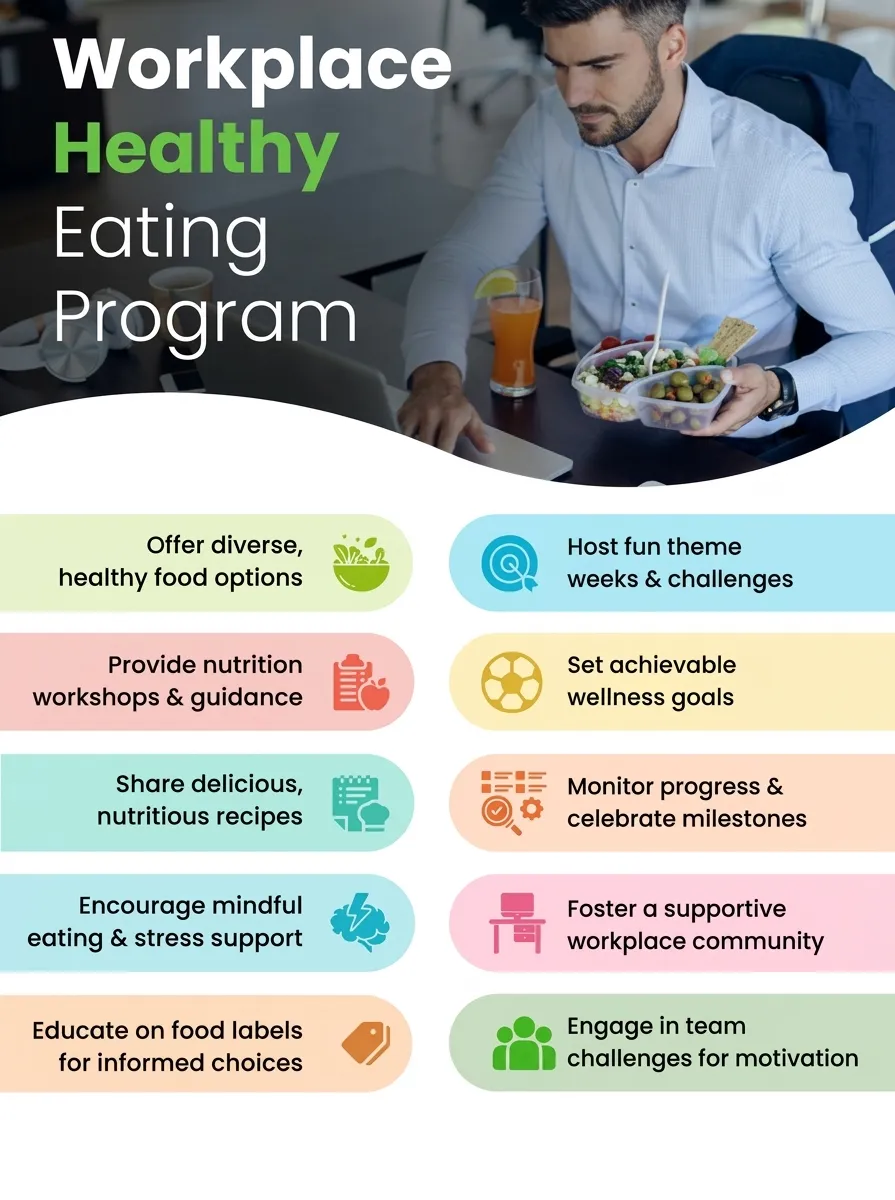
More companies are now investing in workplace food programs to support employee health.
Large companies:
- Offering healthier cafeteria menus
- Providing balanced meal options
Small and medium-sized enterprises (SMEs):
- Adopting flexible solutions like office food services
- Installing refrigerators stocked with healthy meals and snacks
These services make it easier for employees to access:
- Fresh vegetables and salads
- Balanced meals
- Nutritious snacks
👉 The goal is simple: make healthy eating convenient and accessible.
On-Site Food Services: A Practical Solution
One emerging trend is the use of on-site food services, where offices provide ready access to nutritious meals.
These programs:
- Require minimal setup
- Are cost-effective
- Encourage healthier daily habits
By bringing healthy food directly into the workplace, companies reduce employees’ reliance on unhealthy convenience options.
Nutrition Education in the Workplace
Beyond providing food, some organizations are investing in nutrition education programs.
Examples include:
- Hosting “office meal days”
- Teaching cooking skills
- Sharing knowledge about healthy ingredients
These initiatives not only improve dietary habits but also:
- Strengthen team relationships
- Encourage collaboration
- Create a positive workplace culture
👉 Food becomes a tool for both health and connection.
Government and Policy Support
Governments and local authorities are also playing a role in promoting workplace nutrition.
Support measures may include:
- Tax incentives for employer-provided meals
- Subsidies for companies offering food programs
- Access to nutrition experts and consulting services
These policies aim to:
- Encourage businesses to invest in employee health
- Attract and retain talent
- Improve public health outcomes
Nutrition and Economic Growth
Balanced nutrition is not just a personal issue-it’s a societal and economic priority.
Key impacts include:
- Improved workforce productivity
- Reduced healthcare costs
- Stronger economic performance
Global research highlights that poor diet-related conditions now pose a greater risk than hunger in many parts of the world.
👉 This makes nutrition a critical factor in building a sustainable and resilient society.
Why Businesses Should Invest in Nutrition

Companies that prioritize employee nutrition can benefit from:
- ✅ Higher productivity and performance
- ✅ Better employee engagement
- ✅ Lower absenteeism and healthcare costs
- ✅ Improved talent attraction and retention
In today’s competitive job market, employee benefits like meal support are becoming key decision factors for workers.
Final Thoughts: Building a Healthier Future Through Nutrition
Workplace nutrition is no longer a luxury-it’s a necessity. From improving employee well-being to boosting business performance, the benefits are clear.
By working together, individuals, companies, and governments can:
- Promote healthier eating habits
- Support workplace productivity
- Build stronger, more sustainable economies
👉 Investing in nutrition today means creating a healthier, more productive workforce for the future.
Start nourishing your workplace-and unlock the full potential of your people.
Leave a Reply