In today’s food culture, taste alone is no longer enough. Before the first bite is taken, diners are already forming opinions based on what they see. The phrase “eat with your eyes” perfectly captures this reality—food presentation plays a crucial role in how we experience a meal.
With the rise of social media and visual dining trends, plating has become a key factor in both customer satisfaction and restaurant success. So why does plating matter so much? Let’s explore.
Why Food Presentation Matters
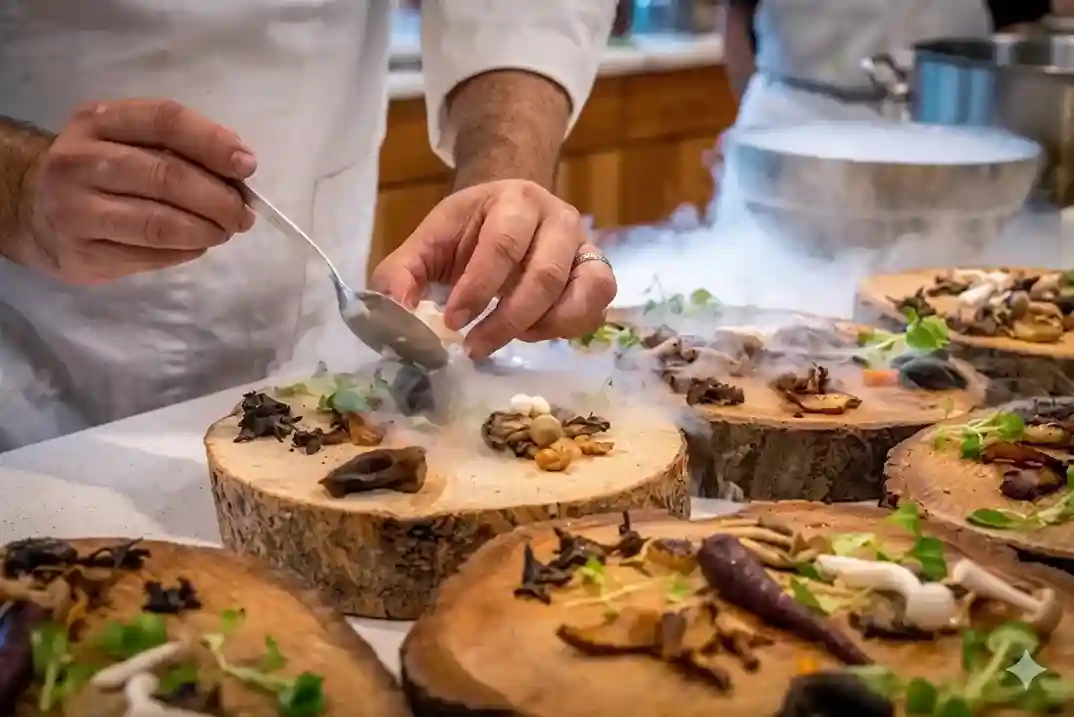
1. First Impressions Shape Perception
The first interaction diners have with a dish is visual. Within seconds, they judge:
- Freshness
- Flavor expectations
- Overall appeal
A well-presented dish creates anticipation and excitement, while a poorly plated one can lower expectations—even before tasting.
2. Presentation Signals Quality
Beautiful plating often communicates care, skill, and professionalism.
When a dish is thoughtfully arranged, customers are more likely to believe:
- High-quality ingredients were used
- The chef is experienced and detail-oriented
- The meal is worth its price
In contrast, messy presentation can make even good food feel less valuable.
3. Plating Enhances the Overall Dish
Plating isn’t just about looks—it actually improves the dish itself.
When chefs focus on presentation, they naturally consider:
- Balance of colors
- Variety of textures
- Harmony of ingredients
This attention to detail often results in a more complex and satisfying flavor experience.
4. Visual Appeal Attracts Customers
In the digital age, food is often discovered online before it’s tasted in real life.
Potential customers will:
- Search on Google
- Browse menus
- Check reviews
- Scroll through social media photos
A visually stunning dish can be the deciding factor that convinces someone to visit a restaurant. Simply put, “instagrammable” food drives attention and engagement.
Top Food Plating Tips for Better Presentation
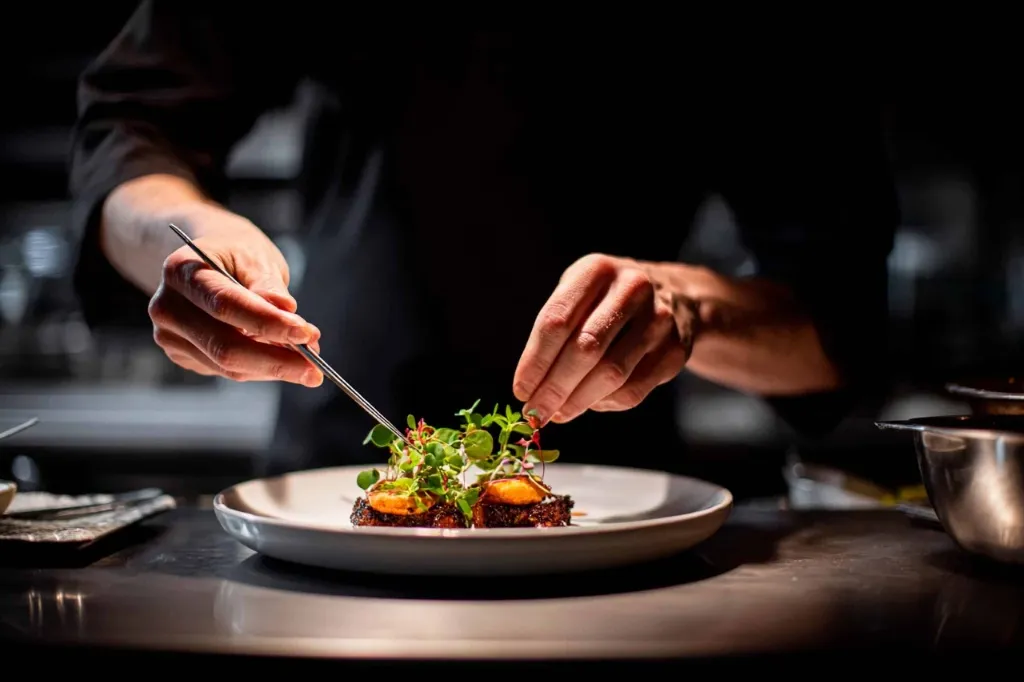
1. Choose the Right Plate
The plate is your canvas, and it directly affects how food is perceived.
- Round plates: ideal for traditional, comforting dishes
- Angular plates: create a modern, sophisticated look
- Bowls: perfect for saucy or layered dishes
Size matters too:
- Too small → cluttered appearance
- Too large → food looks insufficient
Color is equally important:
- White plates: classic, elegant, and highlight food colors
- Avoid blue tones, as they can subconsciously reduce appetite
2. Master Plating Techniques
Plating is an art that combines creativity and precision.
Simple techniques to elevate your dish:
- Use squeeze bottles for clean sauce designs
- Create smooth “swooshes” with the back of a spoon
- Arrange food in odd numbers (e.g., 3 pieces) for visual balance
A thoughtful layout can instantly transform a dish from ordinary to refined.
3. Use Garnishing with Purpose
Garnishing should never be an afterthought. Every element on the plate should be edible and meaningful.
Effective garnishing ideas include:
- Microgreens or fresh herbs
- Edible flowers
- Toasted nuts or seeds
A helpful guideline is the “clock method”:
- Protein: between 3 and 9 o’clock
- Carbs: between 9 and 12
- Vegetables: between 12 and 3
This creates a balanced and visually appealing composition.
Why Plating Is More Important Than Ever
In a world driven by visuals, plating has become a powerful tool for:
- Enhancing dining experiences
- Building brand identity
- Attracting customers online
- Increasing perceived value
A beautifully presented dish doesn’t just look good—it tells a story of craftsmanship and care.
Final Thoughts
“Eat with your eyes” is more than just a saying—it’s a fundamental truth in modern dining. Food presentation influences perception, enhances flavor experiences, and plays a vital role in customer satisfaction.
Whether you’re a professional chef or a home cook, investing time in plating can turn a good meal into a memorable one.
Because sometimes, the difference between ordinary and extraordinary lies not in the taste—but in what we see first.
Leave a Reply