Food waste is a global issue affecting kitchens everywhere-from home cooking spaces to high-end restaurants. According to the Food and Agriculture Organization, nearly one-third of all food produced worldwide is wasted. This doesn’t just mean lost food-it represents wasted resources, energy, labor, and money.
The good news? With the right strategies, kitchens can become powerful drivers of sustainability. By applying the principles of Reduce, Reuse, and Recycle, individuals and culinary professionals alike can significantly cut down on food waste and contribute to a greener future.
Table of Contents
ToggleWhy Food Waste Matters
When food is thrown away, the impact goes far beyond the plate. It wastes:
- Water used in farming and production
- Fuel for transportation and storage
- Energy for processing and packaging
- Time and labor invested in the supply chain
Even more concerning, food waste in landfills produces methane, a potent greenhouse gas that accelerates climate change.
Reducing food waste is not just an environmental responsibility-it’s essential for building a sustainable food system.
The 3 R’s of Food Waste Management
1. Reduce: Plan Smart, Cook Smart
The first step in minimizing waste is prevention. Smart planning ensures that less food goes unused.
Effective strategies:
- Menu planning: Cook based on what you already have and what’s in season
- Portion control: Avoid serving more than needed
- Inventory management: Keep track of ingredients and expiration dates
- Whole-ingredient cooking: Use every edible part of food (e.g., vegetable stems, citrus peels, fish bones)
Reducing waste starts before you even begin cooking.
2. Reuse: Turn Leftovers into New Meals
Instead of throwing food away, think creatively. Reusing ingredients is not only sustainable-it can also lead to delicious results.
Creative reuse ideas:
- Turn stale bread into croutons or breadcrumbs
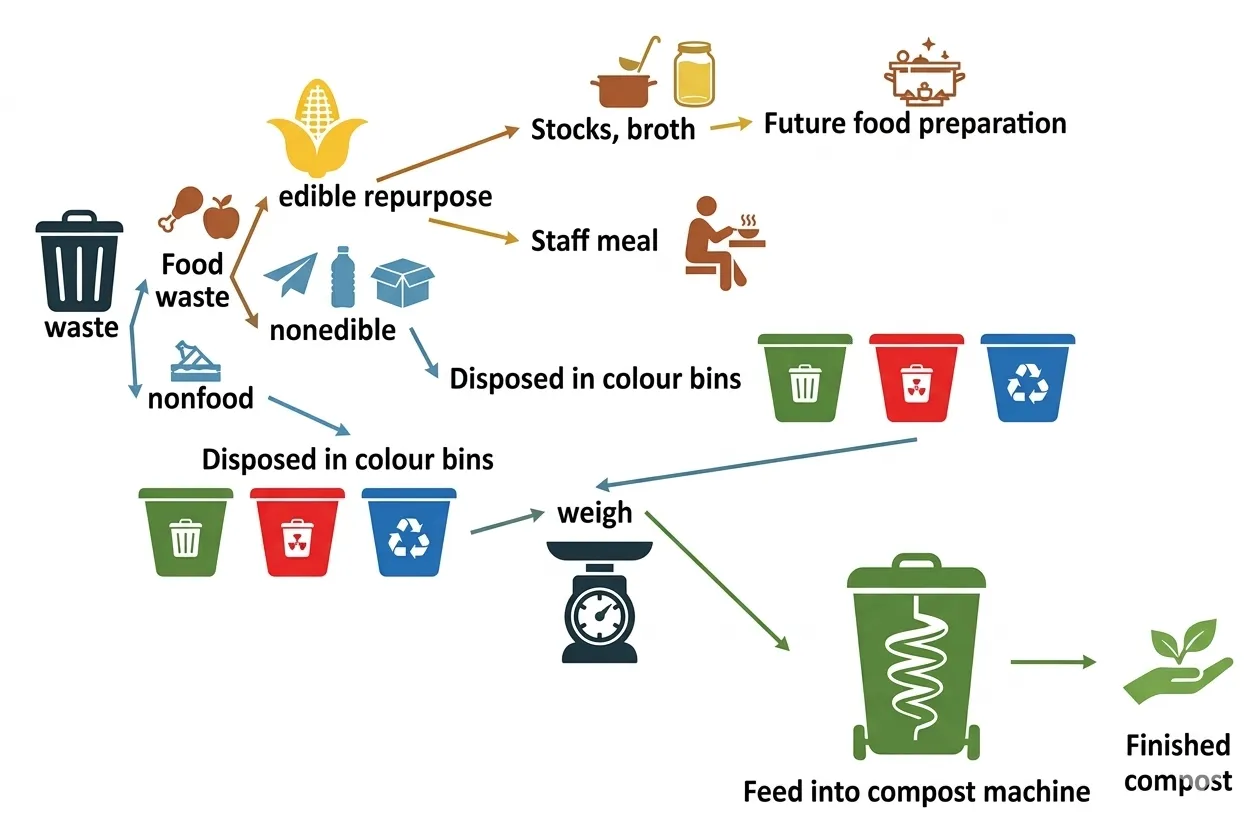
- Use vegetable scraps to make soups or stocks
- Transform leftover meats into wraps, sandwiches, or pies
- Repurpose fruit peels into syrups or desserts
In many kitchens, innovation begins with leftovers.
3. Recycle: Compost and Dispose Responsibly
Even with careful planning, some waste is unavoidable. That’s where recycling comes in.
Sustainable disposal methods:
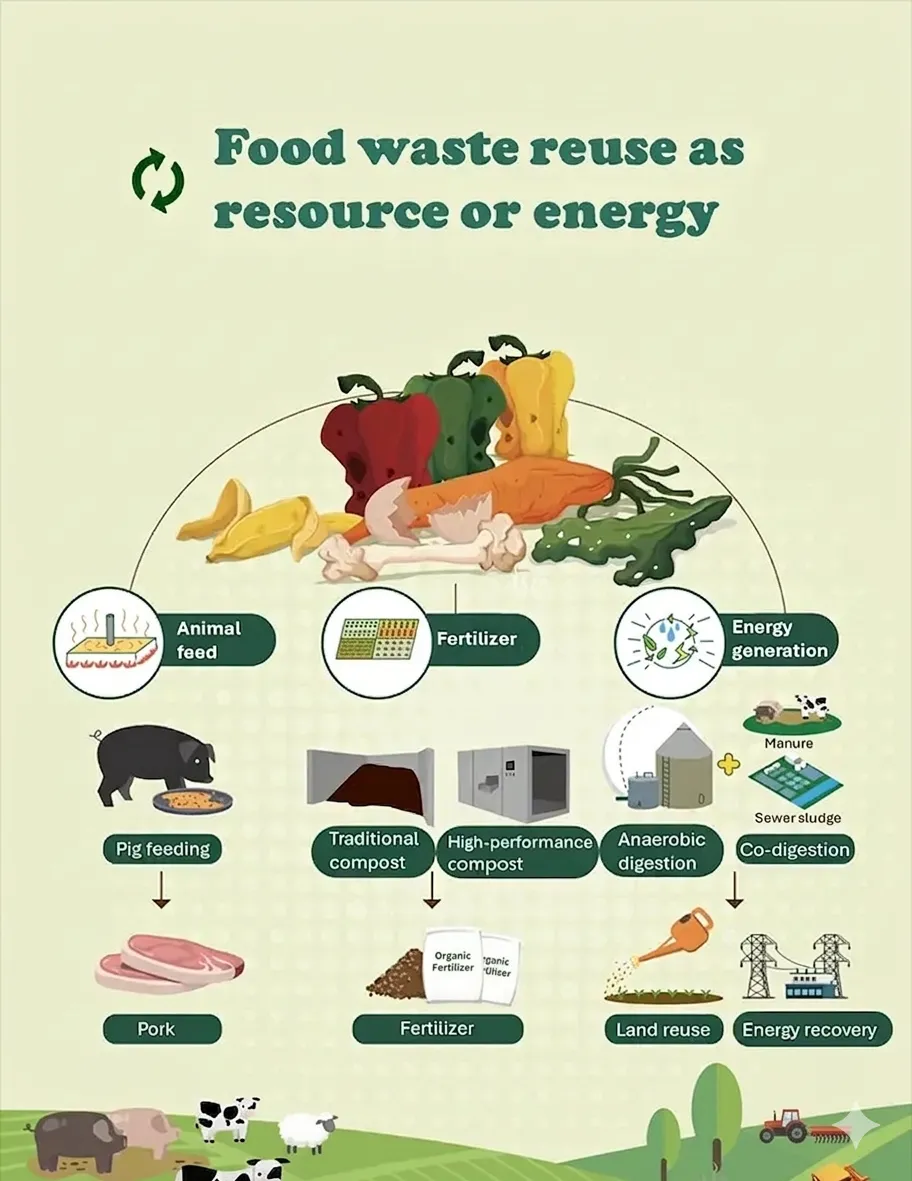
- Compost organic waste to create nutrient-rich soil
- Separate food waste for recycling programs
- Convert waste into biofuel or animal feed (where available)
Composting helps close the loop, turning waste into a valuable resource.
Education and Sustainable Culinary Practices
Culinary education plays a crucial role in shaping future chefs. Institutions like Reliance College are leading the way by integrating sustainability into their culinary programs.
Key focus areas:
- Zero-waste cooking techniques
- Ethical sourcing of ingredients
- Efficient kitchen management
- Hands-on sustainability training
Students are taught not just how to cook—but how to cook responsibly and consciously, preparing them for a future where sustainability is essential.
Global Trends in Zero-Waste Kitchens
Around the world, chefs and businesses are embracing food waste reduction.
Notable examples:
- Blue Hill: Known for zero-waste dining concepts using farm surplus
- Nolla: A pioneer in fully zero-waste restaurant operations
- Too Good To Go: Connects consumers with surplus food from local businesses
👉 These initiatives show that reducing food waste is not just possible-it’s becoming the future of the food industry.
Turning Kitchens into Sustainable Spaces
Every kitchen has the potential to make a difference. Whether at home or in a professional setting, adopting simple habits can lead to meaningful change.
Easy actions you can take:
- Plan meals ahead of time
- Store food properly
- Get creative with leftovers
- Compost when possible
Sustainability starts with small, consistent choices.
Final Thoughts: Waste Less, Do More
Food waste is a challenge-but it’s also an opportunity to rethink how we cook, eat, and live. By embracing the principles of Reduce, Reuse, and Recycle, we can transform kitchens into centers of sustainability and innovation.
With the right mindset and practices, we can:
- Save money
- Protect natural resources
- Reduce environmental impact
- Build a more sustainable future
Because when it comes to food, nothing should go to waste-not even the chance to do better.
Start today: reduce waste, reuse creatively, and recycle responsibly-for a healthier planet and a smarter kitchen.
Leave a Reply