In today’s fast-evolving food industry, building a successful culinary career requires more than just passion for cooking. A culinary education provides the foundation for professional growth, hands-on experience, and long-term success. Whether you dream of becoming a chef, food writer, or nutrition expert, formal training can open doors that self-taught paths often cannot.
This article explores why culinary education is essential and how it can shape your future in the food and beverage industry.
Table of Contents
ToggleWhat Is a Culinary Education?
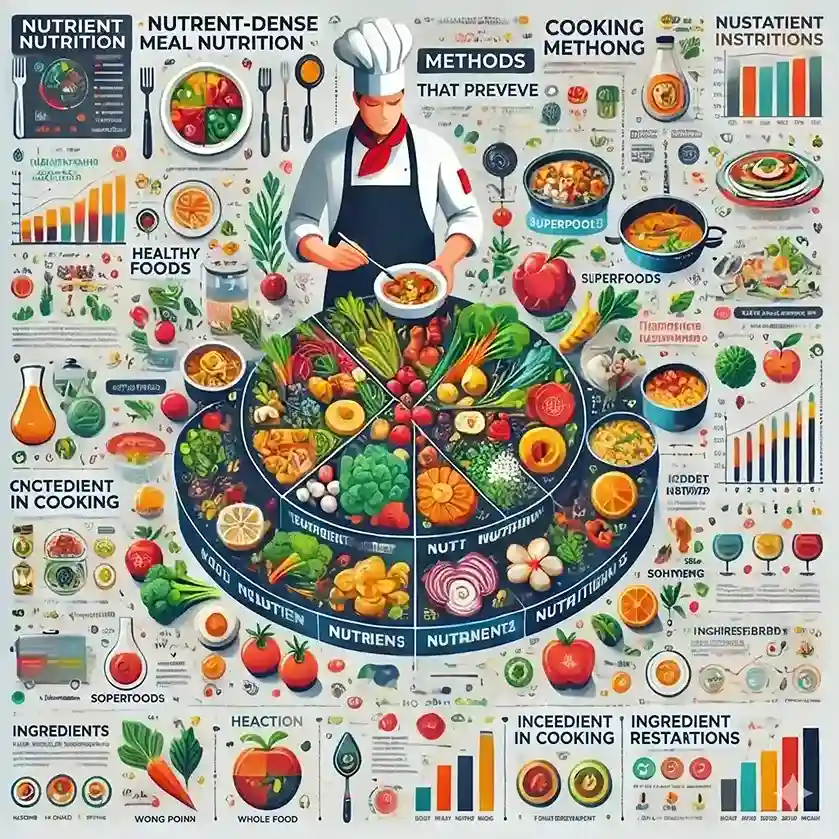
A culinary education is a structured training program designed to teach students the art, science, and business of cooking. It goes beyond basic recipes, focusing on:
- Cooking techniques and food preparation
- Flavor development and ingredient pairing
- Kitchen management and workflow
- Nutrition and food safety standards
By learning in a professional environment, students gain both technical expertise and real-world insight.
Professional Growth Through Culinary Training
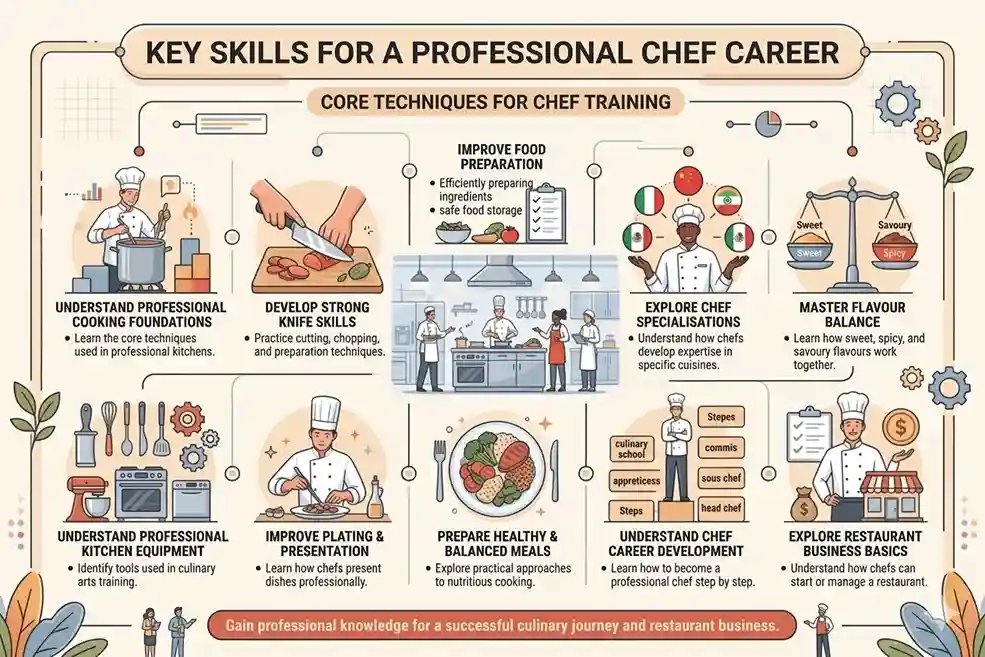
One of the biggest advantages of attending culinary school is the opportunity for professional development.
Formal education helps students:
- Build a strong foundation of culinary skills
- Learn through a structured and logical progression
- Develop confidence in the kitchen
- Earn a recognized qualification
In a competitive industry, having a diploma or certification demonstrates commitment, discipline, and expertise, helping graduates stand out to employers.
Hands-On Experience and Career Opportunities
Unlike learning on your own, culinary school provides hands-on training in real kitchen environments. This practical experience is essential for mastering techniques and understanding how a professional kitchen operates.
Many programs also offer:
- Internships and work placements
- Industry networking opportunities
- Exposure to different culinary career paths
This experience allows students to explore various roles such as:
- Private chef
- Restaurant chef
- Food stylist or writer
- Nutrition consultant
By the time students graduate, they often have a clearer vision of their career direction.
Expanding Your Career Path Beyond the Kitchen
A culinary education doesn’t limit you to being a chef. It equips you with versatile skills that can be applied across the food industry.
Some alternative career paths include:
- Food journalism and blogging
- Recipe development
- Food marketing and branding
- Catering and event planning
- Nutrition and wellness consulting
This flexibility makes culinary training a powerful investment for long-term career growth.
Essential Skills You Gain from Culinary School
Culinary education covers much more than cooking. Students develop both practical and non-practical skills, including:
1. Flavor and Ingredient Knowledge
Understanding how flavors work together is key to creating memorable dishes.
2. Kitchen Etiquette and Teamwork
Working in a professional kitchen requires discipline, communication, and collaboration.
3. Menu Planning and Creativity
Students learn how to design balanced, appealing menus for different audiences.
4. Budgeting and Sourcing Ingredients
Managing costs and selecting quality ingredients are essential for success in the food business.
5. Food Writing and Presentation
From plating dishes to describing them, storytelling plays a big role in modern culinary careers.
Why Culinary Education Gives You an Edge
Entering the food industry without formal training can sometimes limit your exposure and growth. Culinary school, on the other hand, provides:
- A structured learning environment
- Access to industry professionals
- A strong professional network
- Opportunities for career advancement
These advantages help students transition smoothly from education to employment.
Is Culinary School Worth It?
If you are serious about pursuing a career in food, the answer is yes. A culinary education not only teaches you how to cook but also prepares you for the realities of the industry.
It helps you:
- Gain confidence and technical skills
- Discover your strengths and interests
- Build a professional network
- Turn passion into a sustainable career
Final Thoughts
The food industry is more dynamic than ever, and having the right foundation can make all the difference. A culinary education equips you with the skills, knowledge, and experience needed to succeed in a competitive field.
Whether your goal is to run a restaurant, become a chef, or explore creative roles in food, investing in culinary training is a step toward a rewarding and fulfilling career.
Start your culinary journey today and transform your passion for food into a profession.
Leave a Reply