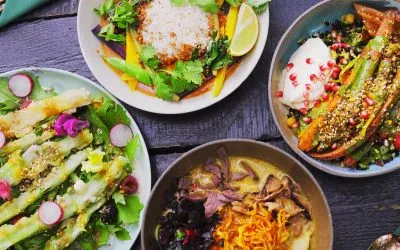
In a world obsessed with diets, clean eating, and “superfoods,” it’s easy to fall into the belief that what you eat defines who you are. Food has quietly shifted from being a source of nourishment to becoming a measure of discipline, self-control, and even personal worth.
But the reality is much more complex: you are not what you eat. This article focuses on understanding how food became tied to identity—and how to break free from that mindset.
Table of Contents
ToggleHow Food Became a Reflection of Identity
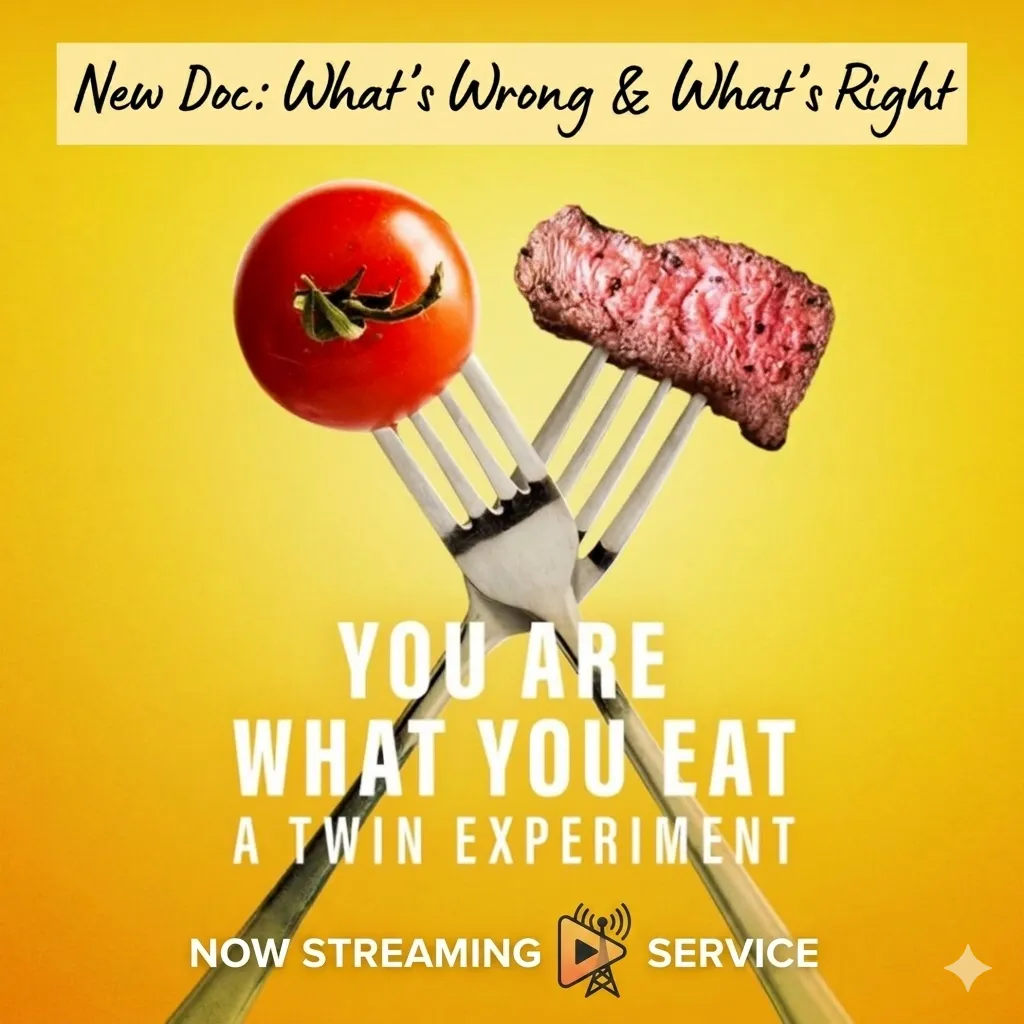
Over time, society has attached meaning to food far beyond its nutritional value. Meals are no longer just meals—they’re seen as signals of:
- Discipline
- Lifestyle choices
- Health status
- Personal values
A salad may feel like a symbol of success, while a dessert can feel like failure. This creates a system where people constantly judge themselves based on what they consume.
Instead of simply eating, many begin evaluating their worth through food choices.
The Problem with Moralizing Food
One of the biggest issues in modern eating culture is the idea that food is either “good” or “bad.”
This mindset leads to:
- Guilt after eating certain foods
- Pride or superiority from “healthy” choices
- Fear of breaking diet rules
When food is moralized, it doesn’t stop at the plate—it extends to how people see themselves. A simple thought like “I shouldn’t have eaten that” can quickly turn into “I lack discipline” or “I failed.”
This is where food stops being nourishment and becomes a tool for self-judgment.
Why Food Alone Does Not Define Health
A common misconception is that health is entirely controlled by diet. While food does play a role, it is only one piece of a much larger picture.
Other important factors include:
- Genetics
- Stress levels
- Sleep quality
- Environment
- Access to healthcare
- Emotional well-being
Two people can eat the same foods but have completely different health outcomes. This shows that health cannot be reduced to diet alone.
The Hidden Impact on Mental Well-Being
When people tie their identity to food, it often leads to unhealthy patterns such as:
- Constant overthinking about meals
- Anxiety in social eating situations
- Cycles of restriction and overeating
- Disconnection from hunger and satisfaction
The pressure to eat “perfectly” can actually create more stress than balance. Instead of improving well-being, it often leads to emotional exhaustion and confusion around food.
Separating Self-Worth from Food Choices
Breaking free from food-based identity starts with a simple but powerful shift:
food is neutral—it does not define your value.
To build a healthier mindset:
- Stop labeling foods as “good” or “bad”
- Focus on how food supports your energy and well-being
- Allow flexibility instead of strict control
- Practice self-compassion after eating
When food is no longer tied to identity, eating becomes more natural, intuitive, and less stressful.
You Are More Than What You Eat
Your worth is not determined by:
- A single meal
- Your diet consistency
- Your body shape
- Your food choices
You are shaped by your experiences, relationships, emotions, and values—not by what’s on your plate.
Final Thoughts
The idea that “you are what you eat” has influenced how many people view food and themselves. But this belief is limiting and often harmful.
By separating identity from diet, you can create a healthier relationship with food—one based on balance, understanding, and self-respect.
You are not what you eat. You are far more complex, valuable, and human than that.
Leave a Reply